


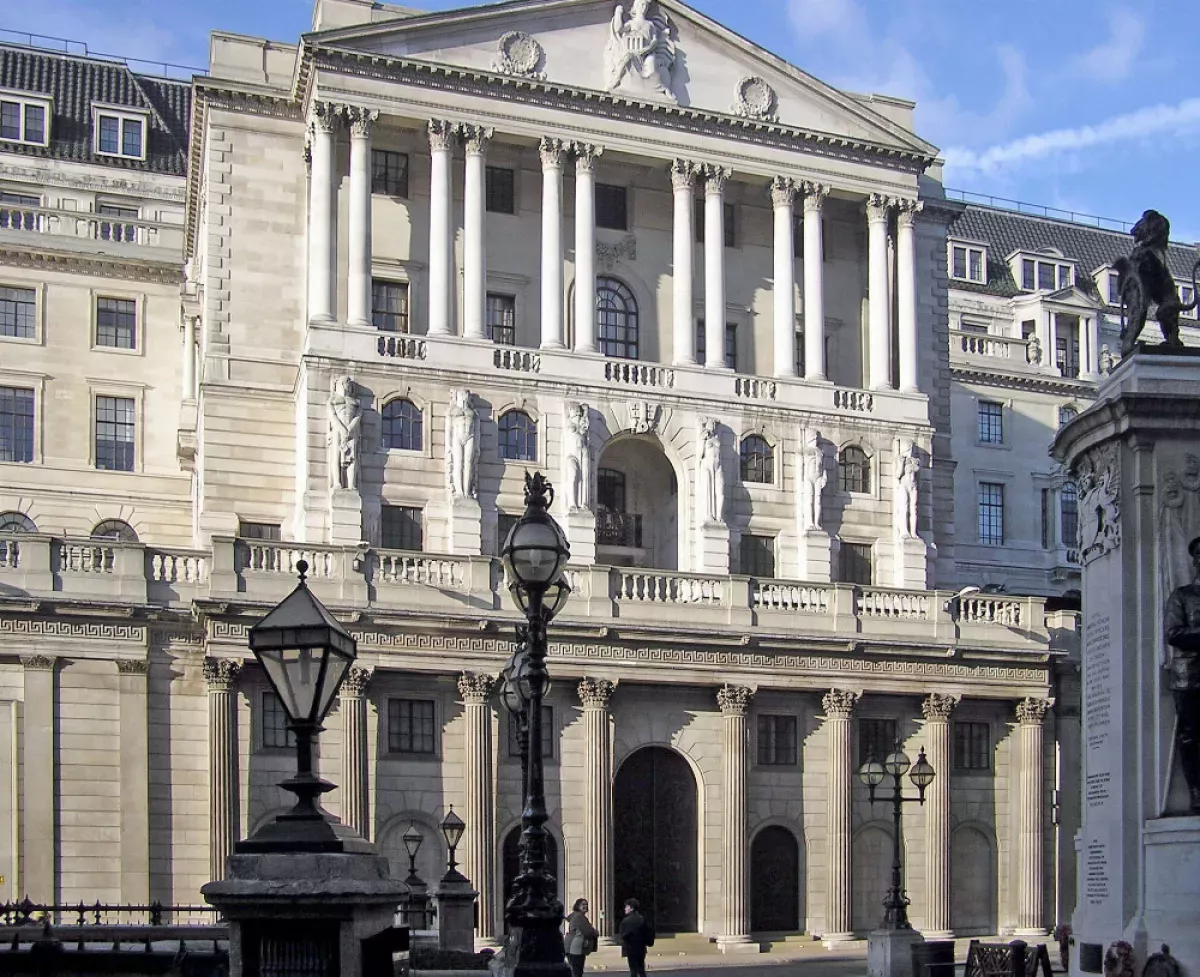
A bank is a regulated financial institution licensed to accept deposits and provide credit services. It acts as a crucial intermediary in the economy by mobilizing capital from savers and allocating it to borrowers for investments or personal expenditures. Beyond basic savings and checking accounts, modern banks offer a wide range of services including loans, mortgages, investment management, currency exchange, and wealth advisory. By facilitating payments and maintaining the money supply, banks serve as the backbone of the global financial system. They are typically overseen by central banks and regulatory bodies to ensure financial stability, mitigate systemic risk, and protect consumer deposits. In recent years, the industry has undergone significant transformation through digital banking and fintech integration, shifting from traditional physical branches to increasingly automated, online-first platforms that prioritize efficiency and accessibility.
7 hours ago : Israel Considers Cryptocurrency Use to Counter Potential Economic Sanctions
Prime Minister Benjamin Netanyahu explores cryptocurrency to bypass potential sanctions, sparking criticism from political opponents and rejection from Israel's central bank regarding economic feasibility and stability.


1979: Establishment of the Federal Financial Institutions Examination Council
In 1979, the Federal Financial Institutions Examination Council (FFIEC) was formally created as an inter-agency body tasked with developing uniform standards, principles, and reporting requirements for the examination of financial institutions at the federal level.
1985: Start of Global Banking Merger Wave
Beginning in 1985, the global banking industry initiated a period of intense consolidation, ultimately leading to 28,798 mergers and acquisitions by 2018.
1999: First Peak of Banking M&A Activity
In 1999, the banking sector experienced a significant surge in merger and acquisition activity, reaching a peak value of approximately 460 billion USD.
2007: Second Peak of Banking M&A Activity
The year 2007 marked the second major peak in the value of banking mergers and acquisitions, matching the 1999 high of 460 billion USD before a subsequent decline.
2008: Impact of brokered deposits on 2008 financial crisis
During the 2008 financial crisis, banks that experienced failure were found to have, on average, four times the amount of brokered deposits as a percentage of total deposits compared to the average bank, highlighting a correlation between these funding sources and institutional instability.
2008: Global Banking Asset Concentration
During the 2008-2009 financial year, EU banks maintained the largest global share of assets at 56%, although this represented a decline from their 61% share in the prior year.
2008: 2008 Financial Crisis and Bank Failures
In 2008, a major financial crisis occurred that resulted in the collapse of several global banking institutions, which subsequently triggered an intense international debate regarding the necessity and effectiveness of bank regulation.
2008: Introduction of Contingent Convertible Bonds (CoCos)
In 2008, following the global financial crisis, regulators mandated that banks issue Contingent convertible bonds (CoCos). These hybrid securities were designed to absorb financial losses when a bank's capital levels dropped below specific thresholds, effectively reducing debt and strengthening the bank's capitalization to meet regulatory requirements.
November 2009: Expansion of China's Banking Infrastructure
In November 2009, China's four largest banks operated over 67,000 combined branches, alongside 140 smaller banking institutions.
2009: Global Investment Banking Revenue Growth
In 2009, the global investment banking sector saw fee revenues rise by 12% compared to the previous year, reaching a total of US$66.3 billion.
2015: US Banking Infrastructure Scale
As of 2015, the United States maintained the highest number of banking institutions globally, totaling 5,330 entities with 81,607 branches, reflecting the nation's unique regulatory and geographic banking structure.
2018: Conclusion of Banking M&A Reporting Period
By 2018, the cumulative value of banking mergers and acquisitions reached 5,169 billion USD, following an 82% decrease in deal value from the 2007 peak.
2021: Citigroup International Retail Exit
In 2021, Citigroup announced it would begin exiting retail banking operations outside of its core U.S. market as the concept of a global consumer banking brand faced challenges.
2022: HSBC U.S. Retail Exit
In 2022, HSBC initiated an exit from the U.S. retail banking market, with the exception of its specialized wealth management business.
March 2023: 2023 Global Banking Crisis
During March 2023, the global banking sector faced significant turmoil, characterized by liquidity shortages and bank insolvencies. This period saw three major bank failures within the United States, followed by the collapse or regulatory shutdown of several prominent international financial institutions within a span of two weeks.
2023: HSBC Global Retail Portfolio Review
In 2023, HSBC placed its retail banking operations in twelve countries under review, signaling a potential sale or closure of these international assets.
Mentioned in this timeline
Germany officially the Federal Republic of Germany is located in...
China officially the People's Republic of China PRC is located...
France officially the French Republic is primarily in Western Europe...
Italy officially the Italian Republic is a country in Southern...
Trending

5 days ago Ina Garten Reveals Unique Insights and Essential Lessons Behind Her Latest Cookbook Career

4 hours ago Daniil Medvedev Advances to Almaty Open Final After Alexander Bublik Retirement
4 hours ago Nikoloz Basilashvili Reaches the 2026 Almaty Open Final After Beating Tsitsipas

6 hours ago Elena Rybakina Faces Leylah Fernandez in Ningbo Open Tennis Final

5 hours ago Report Reveals Trump Administration Deportation Figures Amidst Immigration Policy Analysis
7 hours ago Israel Considers Cryptocurrency Use to Counter Potential Economic Sanctions
Popular

Ilhan Omar is a prominent American politician currently serving as...

Ken Paxton is an American politician and lawyer serving as...

Elon Musk is a visionary entrepreneur and engineer known for...

Michael Joseph Jackson the King of Pop was a highly...
Barack Obama the th U S President - was the...

Elizabeth Holmes is an American entrepreneur and the founder of...