History of New Zealand–South Africa relations in Timeline


New Zealand and South Africa share diplomatic ties as members of the Cairns Group, the Commonwealth of Nations, and the United Nations. Historically, New Zealand strongly opposed South Africa's apartheid regime, reflecting a commitment to racial equality. Since the end of apartheid, relations have normalized, focusing on trade, cultural exchange, and cooperation in international forums. Both countries collaborate on issues like agriculture through the Cairns Group and engage in sporting events, though these have sometimes been controversial due to historical racial tensions. Overall, the relationship is characterized by a shared membership in international organizations and a commitment to addressing global issues.
1902: End of the Second Boer War
In 1902, the Second Boer War concluded with a British victory, after New Zealand contributed over 6,000 soldiers to fight alongside the British. Approximately 230 New Zealanders died in the war.


1934: South Africa obtains independence
In 1934, South Africa obtained its independence from Great Britain.
1947: New Zealand obtains independence
In 1947, New Zealand obtained its independence from Great Britain.
1981: Controversy during the 1981 South Africa rugby union tour of New Zealand
In 1981, controversy erupted during the South Africa rugby union tour of New Zealand, leading to mass protests against the South African government's policy on apartheid.
1984: New Zealand severed diplomatic relations with South Africa
In 1984, New Zealand severed diplomatic relations with South Africa after the election of the Labour government of David Lange, which pledged to close the South African consulate in Wellington.
January 1994: New Zealand re-established diplomatic relations with South Africa
On January 1994, New Zealand re-established diplomatic relations with South Africa after the release of Nelson Mandela from prison and progress on the negotiations to end apartheid in South Africa.
May 1994: New Zealand Prime Minister attends the inauguration of Nelson Mandela
In May 1994, New Zealand Prime Minister Jim Bolger attended the inauguration of Nelson Mandela.
1995: South Africa hosted the Rugby World Cup
In 1995, South Africa hosted the Rugby World Cup, with the final game between New Zealand and South Africa. This event deepened the relationship between fans and politicians of both nations. In November of 1995, President Nelson Mandela paid an official visit to New Zealand.
1996: New Zealand opened a High Commission in Pretoria
In 1996 New Zealand opened a High Commission in Pretoria.
2009: South Africa opened a High Commission in Wellington
In 2009, South Africa reciprocated by opening a High Commission in Wellington.
2013: South African community in New Zealand
In 2013, there was an estimated community of 54,200 South Africans residing in New Zealand. Most of the community arrived after the end of apartheid for economic, safety and lifestyle reasons.
2017: Two-way trade between both nations
In 2017, two-way trade between both nations amounted to US$277 million. New Zealand's main export products to South Africa include dairy products, electronics, machinery and pharmaceuticals, while South Africa's main export products to New Zealand include vehicles, fishing ships, fruits, minerals and machinery.
Mentioned in this timeline
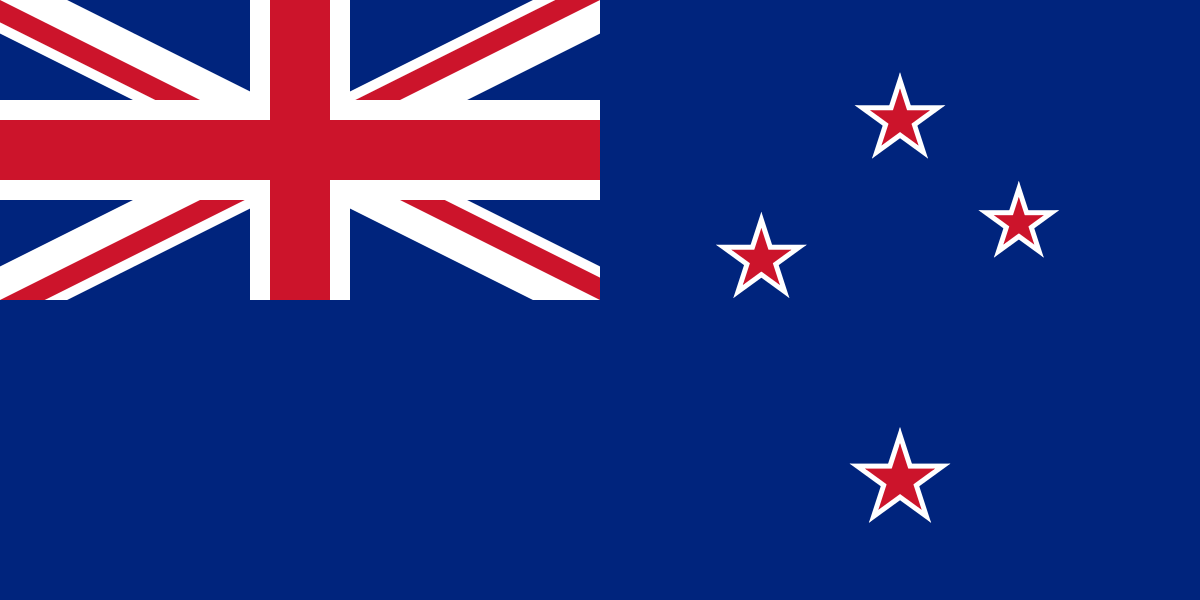
New Zealand is an island country in the southwestern Pacific...
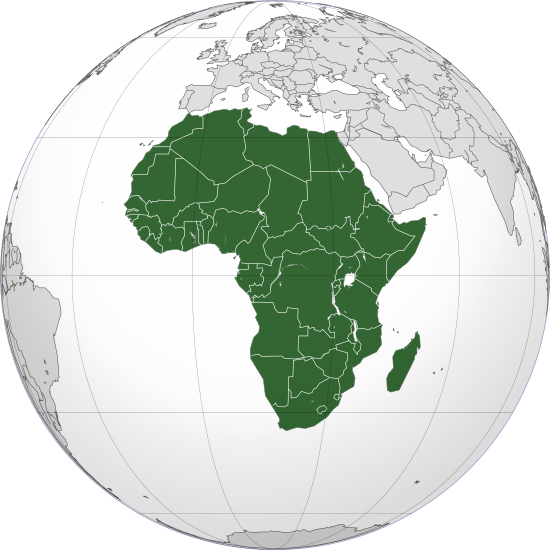
Africa is the second-largest and second-most populous continent home to...
War is defined as an armed conflict involving the armed...
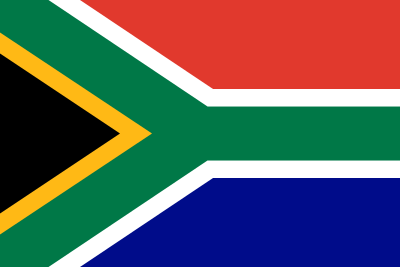
South Africa located at the southern tip of the African...
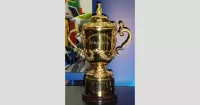
The Men's Rugby World Cup is a quadrennial rugby union...
An election is a structured decision-making process where a population...
Trending
3 hours ago Jaelan Phillips Receives Performance Grading After Three Weeks of NFL Play

3 hours ago Phillies and Braves Face Off in Decisive Wild-Card Game 3
3 hours ago Kelvin Sheppard Discusses Lions Defensive Shift to Zone Coverage

3 hours ago Media Speculates on Identity of Woman Accompanying Roki Sasaki at MLB Game
3 hours ago Rico Dowdle Ruled Out for Week 4 Against Steelers Due to Toe Injury
3 hours ago Dodgers Add Rookie Prospect Josue De Paula to NLDS Postseason Roster
Popular

Ken Paxton is an American politician and lawyer serving as...

Jameis Winston is an American football quarterback currently playing for...

Shakira Isabel Mebarak Ripoll the Queen of Latin Music is...

Elon Musk is a visionary entrepreneur and engineer known for...
Bernie Sanders is a prominent American politician and the senior...

Michael Joseph Jackson the King of Pop was a highly...