


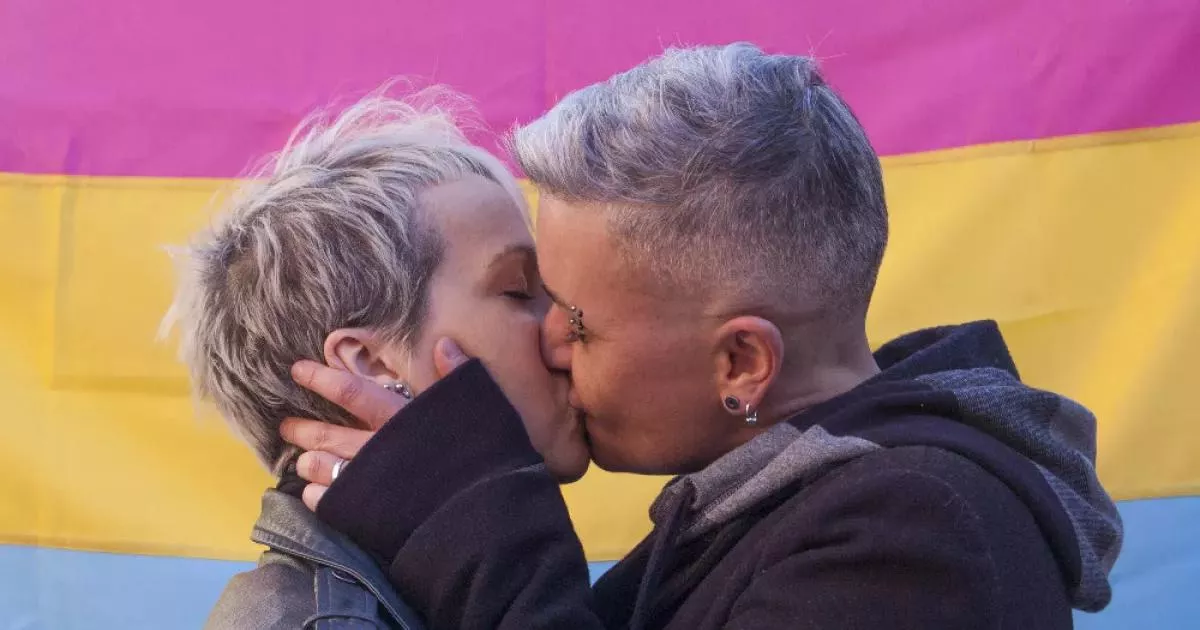
Pansexuality is a sexual, romantic, or emotional attraction towards people regardless of their sex or gender identity. Pansexual individuals may describe themselves as "gender-blind," emphasizing that gender is not a factor in their attraction to others.
1914: First Attestation of "Pansexual" and "Pansexualism"
In 1914, the terms "pansexual" and "pansexualism" were first used, not in a celebratory way, but by critics of Sigmund Freud. They used the terms to attack his idea that sexual instincts drive human actions.


2010: Creation of the Pansexual Flag
In 2010, Jasper Varney designed the pansexual flag, which quickly became a symbol of the community. Its colors (cyan, pink, and yellow) are meant to represent attraction to men, women, and non-binary people.
2015: First Celebration of Pansexual & Panromantic Awareness Day
The first Pansexual & Panromantic Awareness Day was celebrated in 2015 on May 24th, marking a significant step in recognizing and celebrating these identities.
2016: Harris Poll Reveals Growing Pansexual Visibility
A 2016 Harris Poll showed that about 2% of US adults aged 18-34 identified as pansexual, reflecting increased awareness and acceptance of the identity, especially among younger generations.
2017: Pansexuality's Appeal and Overlapping Identities
A 2017 study found that pansexuality was particularly appealing to non-heterosexual women and non-cisgender individuals. This study highlights the fluidity of attraction and how individuals adopt identities that resonate with their experiences.
2017: Study Challenges Stereotypes About Bisexual and Pansexual Views on Gender
Contrary to stereotypes, a 2017 study found no significant difference in how bisexual and pansexual individuals understand and discuss gender when defining bisexuality, suggesting a shared understanding of gender fluidity.
2017: Human Rights Campaign Survey Highlights Pansexuality Among LGBTQ Youth
In 2017, a significant 14% of LGBTQ youth (aged 13-17) identified as pansexual in a Human Rights Campaign survey, further demonstrating the growing prominence of pansexuality among younger generations.
2019: New Zealand Study Identifies Demographic Trends in Pansexual Identification
A 2019 study in New Zealand revealed that younger, gender-diverse, and Maori individuals were more likely to identify as pansexual than bisexual, indicating how cultural factors and evolving understandings of gender influence identity.
2021: Global Pansexual Demographics Revealed in IPSOS Survey
In 2021, an IPSOS survey highlighted the global distribution of pansexual individuals, with the United States having the highest percentage, indicating varying degrees of acceptance and visibility worldwide.
2022: Study on Bisexuality and Gender Inclusivity
A 2022 study in the Journal of Bisexuality explored how bisexual and pansexual women define bisexuality and its inclusivity. The study found a clash, with some pansexual women viewing bisexuality as limited by the gender binary, while bisexual women emphasized its inclusivity and reported feeling harmed by the debate.
Mentioned in this timeline

New Zealand is an island country in the southwestern Pacific...

Pink is a pale tint of red or rose named...
Trending

21 days ago Tropicana Field Hosts Record ALDS Crowd for Rays Versus Yankees Playoff Showdown
3 hours ago Jaden McDaniels Delivers Impressive Two-Way Performance for Minnesota Timberwolves

3 hours ago Derek Jeter Shares Relatable Dad Moment at Zoo and Goes Viral on Social Media
3 hours ago Tiger Woods Plans Full Golf Schedule Including TGL and Hero World Challenge

3 hours ago Hasan Piker Minnesota Event Sparks Internal DFL Party Divide Ahead of Election

3 hours ago Troy Aikman Expresses Interest in Potential Future Role With the Dallas Cowboys
Popular

Ilhan Omar is a prominent American politician currently serving as...

Ken Paxton is an American politician and lawyer serving as...

Elon Musk is a visionary entrepreneur and engineer known for...

William Franklin Graham III known as Franklin Graham is an...

Greg Abbott is the current and th Governor of Texas...

Michael Joseph Jackson the King of Pop was a highly...