History of Livestock in Timeline


Livestock encompasses domesticated animals raised in agricultural settings. These animals provide various products for human use, including meat, eggs, milk, fur, leather, and wool. The term's scope can vary, sometimes referring broadly to all animals raised for consumption, or more specifically to farmed ruminants like cattle, sheep, and goats, playing a crucial role in agriculture and supplying essential resources.
8 hours ago : Lumentum and Ciena Stocks: Surge, Target Increase & AI Infrastructure Demand
Lumentum's stock experienced a massive surge. Analysts are evaluating if the surge will continue. Stifel raised Ciena’s stock target due to AI infrastructure.


1988: Disaster assistance legislation definition
In 1988, disaster assistance legislation defined livestock as cattle, sheep, goats, swine, poultry (including egg-producing poultry), equine animals used for food or in the production of food, fish used for food, and other animals designated by the Secretary.
1997: Livestock energy provision
In 1997, livestock provided energy for between an estimated 25 and 64% of cultivation energy in the world's irrigated systems.
1999: Livestock Mandatory Reporting Act
In 1999, the Livestock Mandatory Reporting Act (P.L. 106–78, Title IX) defined livestock only as cattle, swine, and sheep for the purpose of United States federal legislation.
2005: IPCC report on agriculture greenhouse gas emissions
In 2005, the IPCC estimated that agriculture (including livestock) accounted for about 10 to 12 percent of global anthropogenic greenhouse gas emissions.
2005: Global livestock production value
In 2013, the estimated value of global livestock production was 883 billion dollars (constant 2005–2006 dollars). The constant dollars are for 2005-2006
2006: Global livestock production value
In 2013, the estimated value of global livestock production was 883 billion dollars (constant 2005–2006 dollars). The constant dollars are for 2005-2006
2010: IPCC report on agriculture greenhouse gas emissions
In 2010, the IPCC estimated that agriculture (including livestock) accounted for about 10 to 12 percent of global anthropogenic greenhouse gas emissions.
2011: Reliance on livestock for livelihood
As of 2011, approximately 400 million people relied on livestock in some way to secure their livelihood.
2013: Global livestock production value
In 2013, the estimated value of global livestock production was 883 billion dollars (constant 2005–2006 dollars).
2019: Cargill slaughterhouse closure
In 2019, the Cargill slaughterhouse in High River, Alberta, Canada, closed due to some of its workers becoming infected with coronavirus disease 2019.
Mentioned in this timeline
The United States of America is a federal republic of...
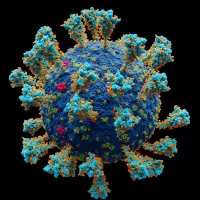
Coronaviruses are a family of RNA viruses affecting mammals and...

Canada is a North American country the world's second-largest by...
Domestic sheep are quadrupedal ruminant mammals typically kept as livestock...
Fish are aquatic gill-bearing vertebrates characterized by fins a hard...
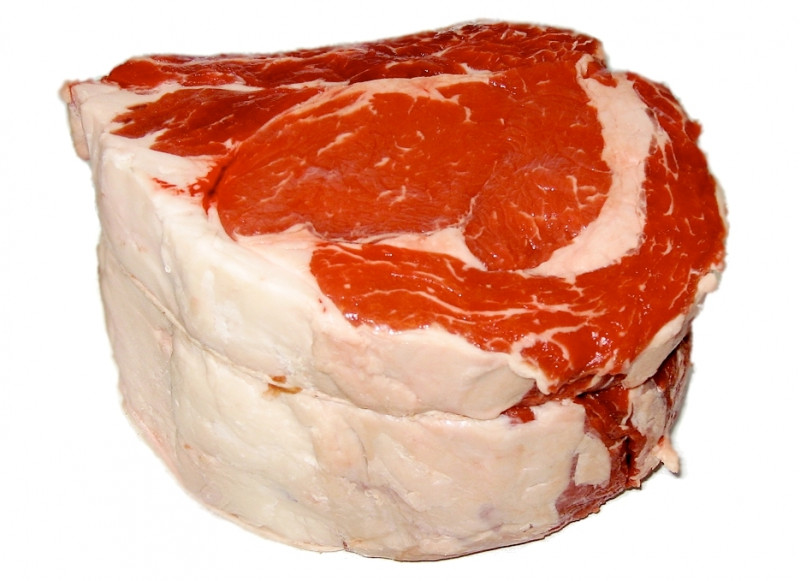
Beef refers to meat from cattle utilized in many culinary...
Trending
58 minutes ago Trevor Richards Traded to White Sox: A New Chapter Begins for Pitcher.

2 hours ago Topuria eyes Gaethje clash; brother analyzes Gaethje's fight style, hints at fragility.

3 hours ago Nick Nurse Mourns Brother: Steps Away but Expected Back for Game 2

4 hours ago Bill McDermott to put on a good show at ServiceNow, says Jim Cramer.

4 hours ago Marco Rubio Briefs White House, Addresses Leavitt Replacement, Juggling Trump Admin Roles.

5 hours ago Tesla Offers Attractive Model Y Lease Deals Amidst Stock Performance Fluctuations in May
Popular

Michael Joseph Jackson the King of Pop was a highly...
Graham Cunningham Platner is an American oyster farmer and Marine...

Rudy Giuliani is an American politician and disbarred lawyer best...

Melania Trump is a Slovenian-American former model who served as...

Elizabeth Warren is a prominent American politician currently serving as...

Paula White-Cain is a prominent American televangelist and key figure...