


Longleat is a Grade I listed stately home located near Warminster in Wiltshire, England. Constructed as an early example of an Elizabethan prodigy house, it serves as the seat of the Marquesses of Bath.
1905: Birth of Henry Thynne, 6th Marquess of Bath
In 1905, Henry Thynne, the 6th Marquess of Bath, was born.


1932: Birth of Alexander Thynn, 7th Marquess of Bath
In 1932, Alexander Thynn, the 7th Marquess of Bath, was born. He later became known for his artistic endeavors and the creation of mazes on the property.
1946: Inheritance and Opening to the Public
In 1946, Henry Thynne, the 6th Marquess of Bath, inherited Longleat. Faced with substantial death duties, he made the decision to sell off large portions of the wider estate to ensure the survival of Longleat. As part of this effort, he opened Longleat House to public visitors, marking a significant shift towards commercial operation.
1949: Opening to the Public
In 1949, Longleat became the first stately home in Britain to be opened to the public on a commercial basis, marking a significant turning point in its history and influencing other estates.
1968: Grade I Listed Building Designation
In 1968, Longleat House was designated as a Grade I listed building, recognizing its exceptional architectural and historical significance.
1972: Notification of Longleat Woods as SSSI
In 1972, Longleat Woods was designated as a biological Site of Special Scientific Interest (SSSI) in Somerset.
1974: Ceawlin Thynn was born
In 1974, Ceawlin Thynn, the 8th Marquess of Bath, was born.
1983: Doctor Who 20th Anniversary Event
In 1983, Longleat hosted an event celebrating the 20th anniversary of the BBC science-fiction television series Doctor Who at Easter.
1987: Grade I Listing for Gardens and Parkland
In 1987, the formal gardens, pleasure grounds, and parkland at Longleat were listed as Grade I on the Register of Historic Parks and Gardens of special historic interest, highlighting their historical importance.
1992: Death of Henry Thynne, 6th Marquess of Bath
In 1992, Henry Thynne, the 6th Marquess of Bath, passed away.
1993: Filming of Toni Braxton's Breathe Again music video
In 1993, the music video for Toni Braxton's single "Breathe Again" was filmed at Longleat House and gardens.
2000: Filming of Mohabbatein
In 2000, the Indian Hindi film Mohabbatein was filmed at Longleat House.
2005: Red Bull Air Race Staged
In 2005, Longleat hosted the Red Bull Air Race, marking a significant event for the estate.
2005: Bath Lead Lining Replacement
In 2005, the lead lining in the bathroom's coopered tub at Longleat House was replaced.
2006: Filming of How to Improve Your Memory
In 2006, the BBC show How to Improve Your Memory was filmed at Longleat.
September 2011: Lion Cub Births and Disney Promotion
In September 2011, four lion cubs were born at Longleat, bringing the total number of cubs born that year to ten. As part of a co-promotion agreement for the upcoming Lion King 3D film, Disney named two of the cubs Simba and Nala.
2020: Inheritance by Ceawlin Thynn
In 2020, Ceawlin Thynn, the 8th Marquess of Bath, inherited Longleat following the death of his father, Alexander Thynn.
Mentioned in this timeline
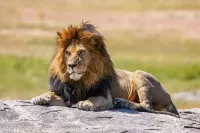
The lion Panthera leo is a large cat species native...

Africa is the second-largest and second-most populous continent home to...
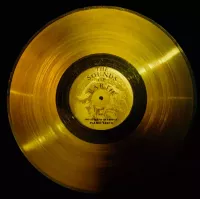
Music involves arranging sounds to create form harmony melody rhythm...
Doctor Who a British science fiction series by the BBC...

Egypt officially the Arab Republic of Egypt is a transcontinental...
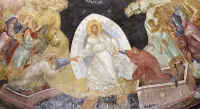
Easter is a Christian holiday celebrating the resurrection of Jesus...
Trending
4 hours ago Billy Crystal Returns to Broadway Stage in New Production 860

4 hours ago Travis Hunter Shines as Dual-Threat Star for Jaguars in Breakthrough Season

4 hours ago Lewis Hamilton and Charles Leclerc Prepare to Challenge Max Verstappen at Singapore Grand Prix

4 hours ago Max Verstappen Discusses Kelly Piquet's Views on His Racing Schedule and Family Life

4 hours ago Nick Sirianni Compares Current Eagles Squad to Super Bowl Team Amid Playoff Hopes
4 hours ago Jaguar Unveils High-End Type 01 Electric Vehicle in Strategic Survival Bid
Popular

Ken Paxton is an American politician and lawyer serving as...

Cristiano Ronaldo widely considered one of the greatest footballers captains...

Michael Joseph Jackson the King of Pop was a highly...

Elon Musk is a visionary entrepreneur and engineer known for...

Shakira Isabel Mebarak Ripoll the Queen of Latin Music is...

Bernie Sanders is a prominent American politician and the senior...