History of Marathons at the Olympics in Timeline


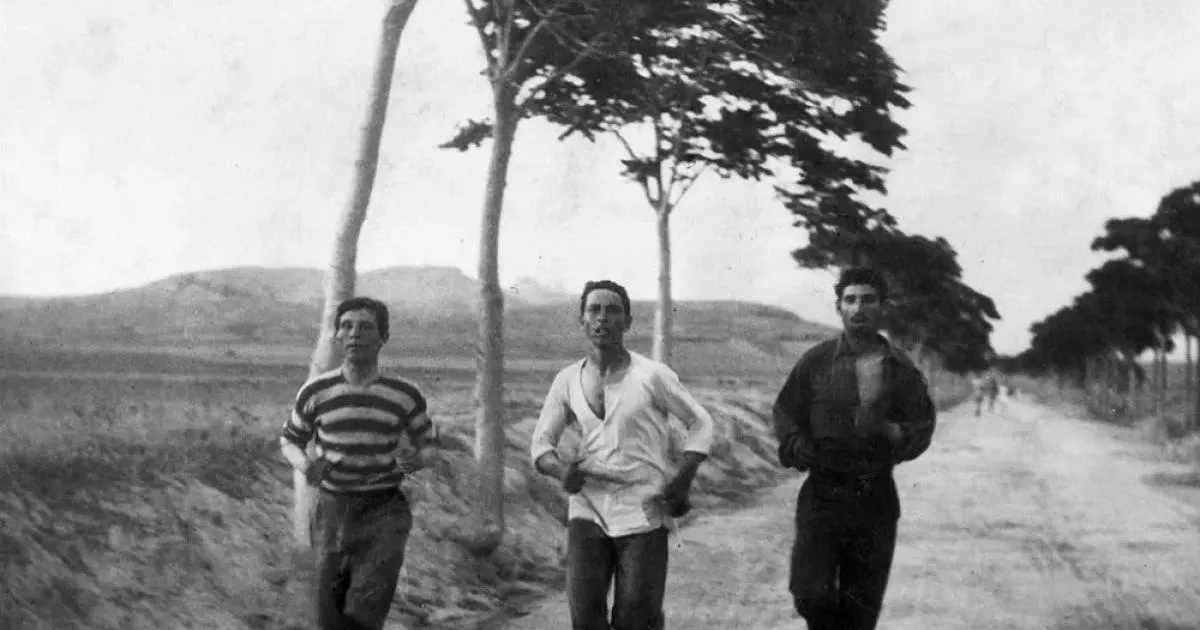
The marathon is a prominent event at the Summer Olympics, being the sole road running competition. It debuted at the inaugural modern Olympics in 1896 for men, while women's participation commenced at the 1984 Los Angeles Games.
1902: Tour de Paris Marathon Inaugurated
Inspired by the growing popularity of the Olympic marathon, the Tour de Paris Marathon held its inaugural race in 1902.


1906: Billy Sherring Triumphs in Intercalated Games
Canadian athlete Billy Sherring emerged victorious in the men's marathon at the 1906 Intercalated Games, covering a distance of 41.86 km.
1906: Intercalated Games: A Controversial Chapter
The 1906 Intercalated Games, held in Athens, aimed to bridge the gap between the internationally held Olympics. Despite initial recognition, the IOC later decided against including these games in the official Olympic series, creating debate among sports historians.
1907: Yonkers Marathon Joins the Running Scene
The Yonkers Marathon in New York joined the rising tide of marathon events with its first race in 1907.
1908: Standardization of Marathon Distance Begins
The 1908 London Olympics introduced the now-standard marathon distance of 26 miles, 385 yards (42.195 km), marking a significant step towards its official recognition.
1908: Marathon World Record Broken
The 1908 Olympics witnessed a groundbreaking moment as the men's marathon world record was shattered.
1909: London Polytechnic Marathon Kicks Off
Adding to the surge in marathon running, the London Polytechnic Marathon conducted its first race in 1909.
1920: Another World Record Falls
The 1920 Olympics further fueled the excitement surrounding the marathon with another world record-breaking performance.
1924: Marathon Distance Officially Standardized
The 1924 Paris Olympics solidified the marathon distance at 26 miles, 385 yards (42.195 km), making it the official and unchanging distance for all future Olympic marathons.
1960: Abebe Bikila Makes History
Abebe Bikila achieved a historic feat at the 1960 Olympics, not only winning the marathon but also setting a new world record.
1964: Olympic Marathon Tradition Begins
A new tradition emerged at the 1964 Tokyo Games: the men's Olympic marathon concluded the athletics calendar, finishing inside the Olympic stadium, a practice that continued in many subsequent Games.
1964: Abebe Bikila Repeats Triumph
Abebe Bikila cemented his legacy in 1964 by securing his second consecutive Olympic marathon gold medal and, once again, setting a new world record.
1984: Women's Marathon Added to the Olympics
In 1984, at the Los Angeles Olympics, the women's marathon was officially added to the Olympic athletics program.
2004: Athens Olympics Marathon: A Nod to History
Breaking from recent tradition, the 2004 Athens Olympics marathon concluded at the historic Panathenaic Stadium, emphasizing the event's historical significance.
2008: Samuel Wanjiru Sets Olympic Record
Samuel Wanjiru etched his name in Olympic history by setting a new men's marathon record of 2:06:32 hours at the 2008 Beijing Olympics.
2012: London Olympics Marathon Takes to The Mall
The 2012 London Olympics featured The Mall as both the starting and finishing point for the marathon, deviating from the stadium finish tradition.
2012: Tiki Gelana Achieves Olympic Record
Tiki Gelana set a new Olympic record for the women's marathon at the 2012 London Games, clocking in at an impressive 2:23:07 hours.
2016: Rio Olympics Marathon Embraces Carnival Spirit
The 2016 Rio Olympics marathon started and finished at the Sambadrome Marquês de Sapucaí, integrating the race with the city's vibrant Carnival atmosphere.
2020: Tokyo Olympics Marathon Adapts to Heat Concerns
Due to concerns about extreme heat in Tokyo, the 2020 Olympic marathon was held in Sapporo, prioritizing athlete safety and well-being.
Mentioned in this timeline

Los Angeles California's most populous city and Southern California's hub...

Tokyo is the capital and most populous city of Japan...

Calendars are systems for organizing days by naming time periods...

Heat in thermodynamics is defined as energy transferred between a...
Trending

4 hours ago Cardi B Celebrates 34th Birthday Cleaning Her Grandparents' Home in the Dominican Republic

4 hours ago Duane Davis Sentenced for the Murder of Tupac Shakur
4 hours ago Immigration Authorities Conduct Pre-Dawn Raid on Rep. Ilhan Omar's Residence

5 hours ago Lionel Messi Announces Emotional Retirement from the Argentine National Football Team
6 hours ago Analysis of Ryan Gravenberch Red Card and Premier League Refereeing Decisions

6 hours ago Ryan Coogler's The X-Files Reboot Officially Picked Up for Series at Hulu
Popular

Ken Paxton is an American politician and lawyer serving as...

Ilhan Omar is a prominent American politician currently serving as...

Cristiano Ronaldo widely considered one of the greatest footballers captains...

Jameis Winston is an American football quarterback currently playing for...

Michael Joseph Jackson the King of Pop was a highly...

Elon Musk is a visionary entrepreneur and engineer known for...