Childhood and Education Journey of Marco Rubio in Timeline


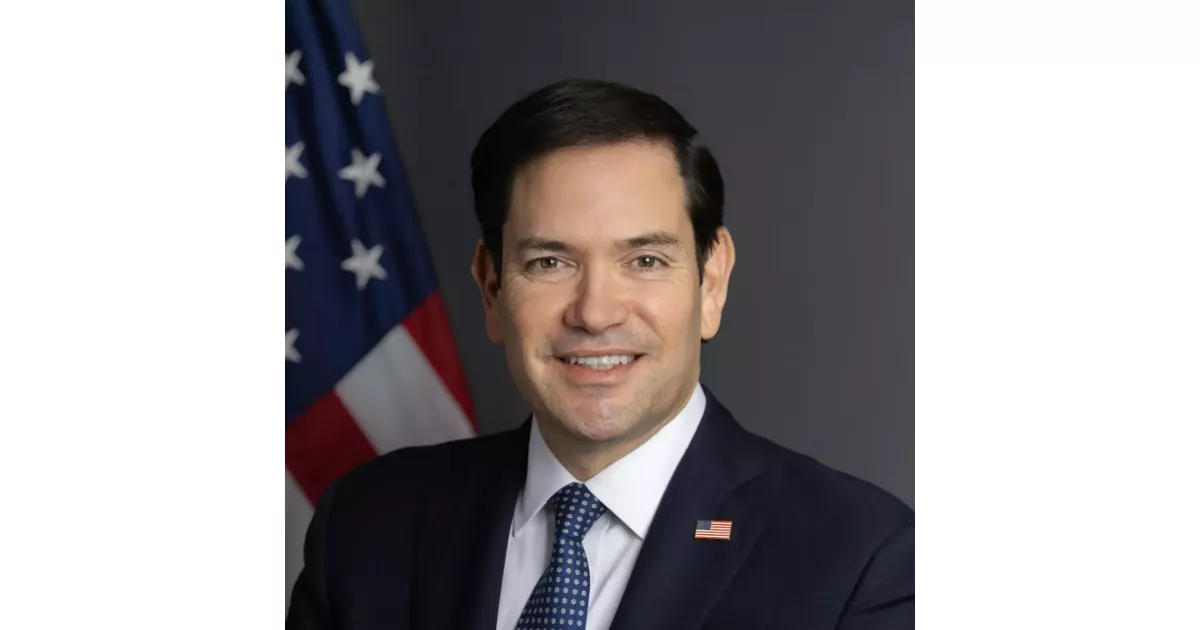
Discover the defining moments in the early life of Marco Rubio. From birth to education, explore key events.
Marco Rubio is a prominent American politician serving as the senior United States Senator from Florida, a position he has held since 2011. A member of the Republican Party, he previously served as Speaker of the Florida House of Representatives. Rubio gained national attention during his 2016 presidential campaign, where he positioned himself as a conservative voice representing a new generation of leadership. Throughout his career, he has focused heavily on foreign policy, advocating for a robust stance against authoritarian regimes in Latin America and China. Domestically, his legislative priorities include tax reform, support for family-oriented economic policies, and national security. Often characterized as a foreign policy hawk, he has served as a key member of the Senate Foreign Relations Committee and the Senate Select Committee on Intelligence. Rubio remains a significant influencer within the modern Republican Party, consistently balancing traditional conservative values with pragmatic legislative efforts on issues ranging from economic opportunity to geopolitical strategy.
1956: Actual family migration year
Historical records indicated that Marco Rubio's parents actually departed Cuba in 1956, during the regime of Fulgencio Batista, rather than after the 1959 revolution as Rubio had previously suggested.


1956: Pedro Victor Garcia Immigrates to the U.S.
In 1956, Marco Rubio's maternal grandfather, Pedro Victor Garcia, successfully immigrated to the United States through legal channels.
1956: Immigration of Rubio's Parents
In 1956, Mario and Oriales Rubio immigrated from Cuba to the United States during the regime of Fulgencio Batista.
1959: Return to Cuba
Pedro Victor Garcia left the United States in 1959 to return to Cuba in search of employment opportunities.
1961: Mother's Trip to Cuba
In 1961, Marco Rubio's mother returned to Cuba for a month-long trip following Fidel Castro's takeover.
1962: Flight from Cuba and Immigration Dispute
In 1962, after fleeing communist Cuba, Garcia entered the U.S. without a visa. He faced deportation, but immigration authorities reversed the order the same day and granted him parolee status, allowing him to remain in the country.
1966: Approval of Permanent Residency
Following the passage of the Cuban Adjustment Act, Garcia successfully reapplied for and was granted permanent resident status in the United States in 1966.
1969: Commencement of Kissinger's Administrative Tenure
In 1969, Henry Kissinger began his combined administrative tenure within the Nixon and Ford administrations, spanning until 1977.
May 28, 1971: Birth of Marco Antonio Rubio
On May 28, 1971, Marco Antonio Rubio was born, eventually becoming a prominent American politician and diplomat.
1973: Henry Kissinger's Dual Role Period Begins
Starting in 1973, Henry Kissinger began his service in a dual capacity involving the roles of secretary of state and national security advisor, a historical precedent relevant to Rubio's 2025 appointments.
1975: Naturalization of Rubio's Parents
In 1975, Mario and Oriales Rubio, who were not U.S. citizens at the time of their son's birth, officially became naturalized U.S. citizens.
1975: Henry Kissinger's Dual Role Period Ends
The period during which Henry Kissinger concurrently held the roles of secretary of state and national security advisor concluded in 1975.
1977: Conclusion of Kissinger's Administrative Tenure
The administrative tenure of Henry Kissinger in the Nixon and Ford administrations, which began in 1969, reached its conclusion in 1977.
1984: First Communion as a Catholic
In 1984, Marco Rubio received his first communion as a Catholic, marking a significant religious milestone in his life before he and his family relocated from Las Vegas back to Miami the following year.
1989: Graduation from South Miami Senior High School
In 1989, Marco Rubio successfully completed his secondary education by graduating from South Miami Senior High School.
1993: Bachelor of Arts Degree Completion
Marco Rubio earned a Bachelor of Arts degree in political science from the University of Florida in 1993 after transferring from previous institutions.
1996: Juris Doctor Degree Conferral
In 1996, Marco Rubio obtained his Juris Doctor degree with cum laude honors from the University of Miami School of Law.
January 2000: Marco Rubio Joins the Florida Legislature
In January 2000, Marco Rubio began his tenure in the Florida legislature after winning a special election. His entry coincided with a wave of turnover caused by newly implemented term limits, which allowed him to quickly seek and secure positions within the GOP leadership ranks.
December 2002: Appointment as House Majority Leader
In December 2002, Marco Rubio was appointed as the House majority leader by Speaker Johnnie Byrd. During this time, he successfully advocated for a restructuring of the role, shifting legislative responsibilities to the whip's office while establishing himself as the primary spokesperson for the House GOP.
2008: Departure from Florida Legislature and Academic Transition
Due to term limits, Marco Rubio stepped down from the Florida legislature in 2008 and transitioned into an academic role as an instructor at Florida International University.
October 2011: Washington Post report on family history discrepancies
In October 2011, The Washington Post reported that Marco Rubio had inaccurately stated his parents fled Cuba after Fidel Castro took power in 1959, when records indicated they had actually left during the Batista regime in 1956.
2012: Repayment of Student Loans
After accumulating $100,000 in student debt throughout his academic career, Marco Rubio finalized the full repayment of these loans in 2012.
April 2015: Launch of Presidential Bid
In April 2015, Marco Rubio announced his candidacy for the U.S. presidency, opting to run for the highest office rather than seeking reelection to his Senate seat at that time.
2024: Endorsement of Donald Trump
In 2024, shortly before the Iowa caucuses, Marco Rubio announced his official endorsement of Donald Trump's presidential campaign.
Mentioned in this timeline
Donald John Trump is an American politician media personality and...
Joe Biden served as the th President of the United...
Rand Paul is an American politician and the junior United...
Fox News Channel FNC is an American multinational conservative news...
Ukraine is a country in Eastern Europe the second-largest on...
The Affordable Care Act ACA also known as Obamacare is...
Trending
6 hours ago S.W.A.T. Exiles Premieres Following Shemar Moore's Emotional Farewell After Eight Successful Seasons

6 hours ago D'Angelo Russell Signs With Shanghai Sharks Following Release From Memphis Grizzlies

6 hours ago Scrubs Revival Faces Cast Changes and Uncertain Returns for Second Season
7 hours ago Treasury to Auto-Enroll 60 Million Children in New Trump Accounts Program
8 hours ago Novak Djokovic Returns to China Open With Positive Fitness Update

7 hours ago Citi Supports Hana Bank in Historic $100 Million Digital Bond Issuance
Popular

Jameis Winston is an American football quarterback currently playing for...

Shakira Isabel Mebarak Ripoll the Queen of Latin Music is...

Ken Paxton is an American politician and lawyer serving as...

Michael Joseph Jackson the King of Pop was a highly...
Sylvester Stallone is an iconic American actor screenwriter and filmmaker...
Peter Thiel is a prominent American entrepreneur venture capitalist and...