History of Activision in Timeline


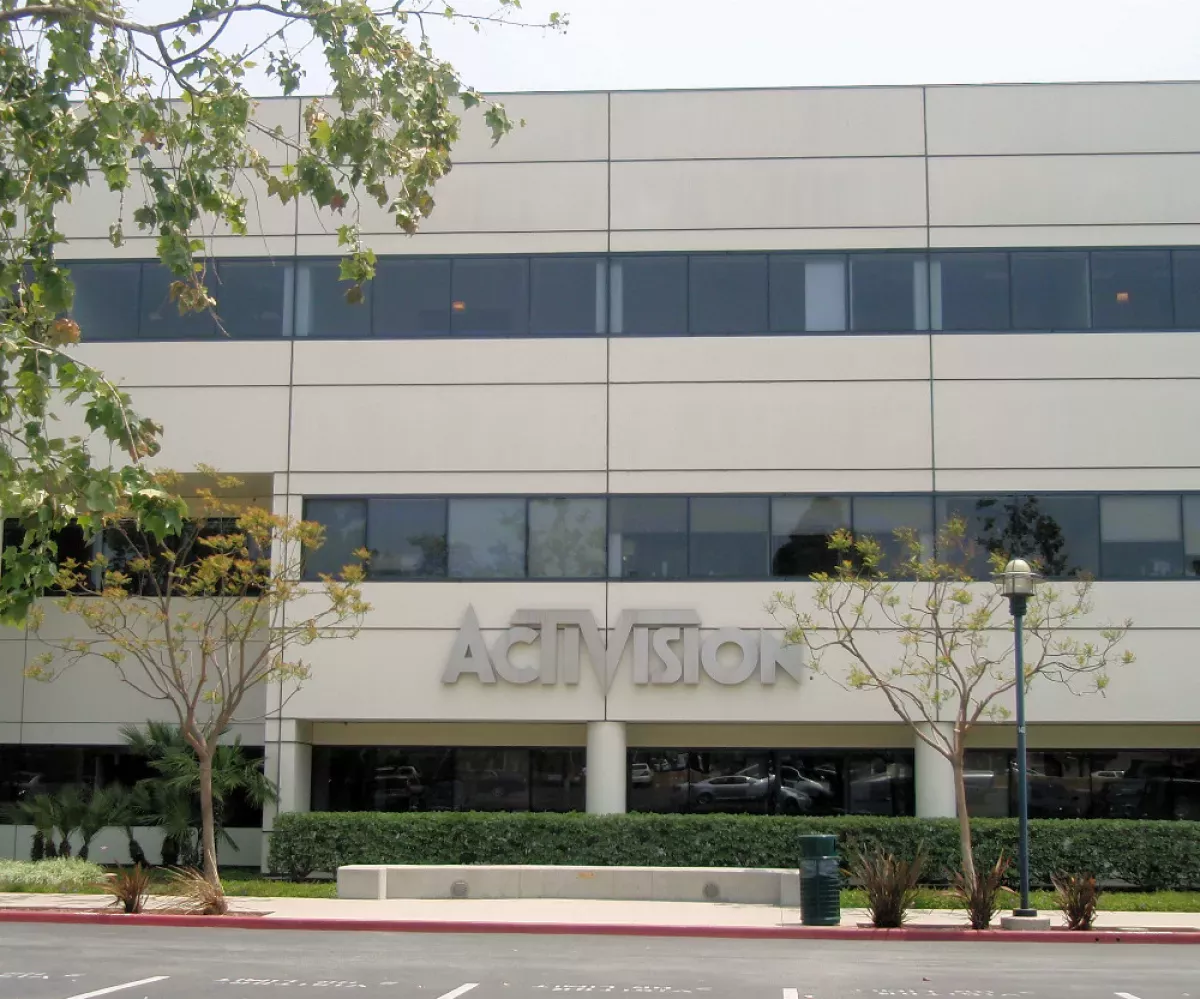
Activision Publishing, Inc., based in Santa Monica, California, is a major American video game publisher and the publishing arm of Activision Blizzard. As one of the world's largest third-party game publishers, it held the top spot in the United States in 2016. The company operates through numerous subsidiary studios, focusing on the development and distribution of video games across various platforms.
4 hours ago : Call of Duty: Modern Warfare sees comeback due to discount; Xbox hints 2026 title.
Call of Duty: Modern Warfare (2019) experienced a surge in players on Steam after a 90% discount. Xbox team hinted at a new title possibly coming in 2026, while Modern Warfare enjoys a comeback.


1976: Warner Communications Buys Atari, Inc.
In 1976, Warner Communications acquired Atari, Inc. from Nolan Bushnell to accelerate the development of the Atari Video Computer System (Atari VCS, later Atari 2600).
1977: Atari Hires Programmers
In 1977, Atari started hiring programmers to create games for the Atari Video Computer System.
1978: Ray Kassar Named Atari CEO
Following Warner's acquisition, Ray Kassar was appointed CEO of Atari in 1978. Kassar focused on minimizing production costs for Warner.
May 1979: "Gang of Four" Demands Recognition
In May 1979, Crane, Kaplan, Miller, and Whitehead, known as the "Gang of Four", met with Atari's CEO Ray Kassar to request royalties and recognition on game boxes, similar to musicians with record labels. Kassar dismissed them, claiming "anybody can do a cartridge".
October 1, 1979: Activision Founded
On October 1, 1979, Activision, Inc. was founded in Sunnyvale, California, by former Atari programmers who developed games for the Atari Video Computer System (later the Atari 2600). They left Atari due to dissatisfaction and became the first independent, third-party console video game developer.
1979: Decision to Leave Atari and Form Independent Company
In 1979, the "Gang of Four" decided to leave Atari and start their own independent game development company. They secured around $1 million in capital from Sutter Hill Ventures with the help of Jim Levy, and prepared for potential litigation from Atari.
1979: Programmers' Frustration at Atari
In early 1979, Atari's marketing department circulated a memo listing best-selling cartridges from the previous year. Developer Crane realized that his games had generated over $20 million for the company while he received a $20,000 salary. Four programmers had accounted for 60% of Atari's sales.
1979: Activision Begins Development
In the latter half of 1979, Activision began game development out of Crane's garage, with each programmer working on a game for release in mid-1980.
1980: Activision Showcases Titles at Consumer Electronics Show
In 1980, Activision showcased their titles at the Consumer Electronics Show, gaining favorable press and worrying Atari, who responded by attempting to discredit Activision and threatening retailers.
1981: Kaboom! Released
In 1981, Activision released Kaboom!, which became the company's first game to sell over a million units.
1981: Imagic Closure
In 1981, Crane was concerned with how Bruce Davis managed the closure of Imagic, one of the third-party development studios formed after Activision's success.
1982: Lawsuit Settlement with Atari
By 1982, Atari's lawsuit against Activision, claiming trade secret theft and non-disclosure violations, was settled. Activision agreed to pay royalties to Atari, legitimizing the third-party development model.
1982: Pitfall! Release and Kaplan's Departure
In 1982, Activision's game Pitfall!, created by Crane, sold more than four million copies. Near the end of 1982, Kaplan left Activision to work on the Amiga personal computer.
June 1983: Initial Public Offering
In June 1983, Activision completed its initial public offering on NASDAQ under the stock ticker AVSN. Total sales were estimated at $157 million with revenues at $60 million.
1983: Effects of the Video Game Crash
In 1983, Activision felt the effects of the video game crash as third-party developers folded and retailers sold unsold games at heavily discounted prices, reducing Activision's income.
1983: Rise of Third-Party Developers and Video Game Crash
In 1983, the success of Activision led to many more third-party developers for home consoles. Activision produced some of its Atari games for the Intellivision and ColecoVision consoles. However, many new developers arose without the experience of Activision, contributing to the video game crash of 1983.
1983: Video Game Crash and Diversification
In 1983, the video game crash negatively impacted Activision's position in console games. The crash forced the company to diversify into games for home computers, including acquiring Infocom.
1983: Patch for High Scores
Through 1983, Activision's instruction manuals included instructions for sending in photographs of high scores to receive a patch.
1984: Revenue Drop and Layoffs
In 1984, Activision's quarterly revenue dropped from $50 million to $6-7 million, forcing them to lay off staff, reducing the number of employees from about 400 to 95.
1985: Diversification and Talent Drain
By 1985, Activision decided to diversify into home computer games, such as Commodore 64, Apple, and Atari 8-bit computers, and experienced a drain of talent due to the crash. Miller and Whitehead left in 1984 and formed Accolade.
June 1986: Acquisition of Infocom
In June 1986, Activision acquired text adventure pioneer Infocom through a corporate merger, spearheaded by Jim Levy. Six months later, Levy was replaced by Bruce Davis.
1988: Corporate Name Change to Mediagenic
In 1988, Activision began involvement in software besides video games, such as business applications, and changed its corporate name to Mediagenic to reflect its broader activities.
1989: Infocom Studios Closed
In 1989, after several years of losses, Activision closed down the Infocom studios, offering relocation to only 11 of the 26 employees.
1990: Joe Montana Football Development
Around early 1990, Mediagenic worked on an early version of a football game that became Joe Montana Football. Sega took the incomplete game to Electronic Arts to complete it.
1991: Acquisition by Bobby Kotick
Around 1991, Mediagenic, formerly Activision, fell into debt and was bought for approximately US$500,000 by Bobby Kotick and a small group of investors.
2008: Merger with Vivendi Games
In 2008, Activision's holding company merged with Vivendi Games, the parent company of Blizzard Entertainment, forming Activision Blizzard, with Bobby Kotick as CEO.
2016: Top United States Publisher
In 2016, Activision was recognized as the top video game publisher in the United States.
October 2023: Acquisition by Microsoft
In October 2023, Microsoft acquired Activision Blizzard, including the Activision Publishing subdivision, making it a separate division under Microsoft Gaming.
October 2023: Microsoft Acquires Activision Blizzard
In October 2023, Microsoft acquired Activision Blizzard, stating that the company will continue to operate as a separate business within the Microsoft Gaming division, retaining its role as a game publisher.
March 8, 2024: Activision QA workers unionize
On March 8, 2024, 600 Activision QA workers in Texas, Minnesota and California unionized under the Communication Workers of America (CWA), marking it as the largest union in the United States video game industry.
May 16, 2024: Establishment of Elsewhere Entertainment
On May 16, 2024, Activision announced the establishment of Warsaw-based studio Elsewhere Entertainment, for the development of a new narrative-based AAA IP. The studio comprises various developers associated with other narrative-driven gaming franchises.
July 2024: SAG-AFTRA labor strike against Activision
In July 2024, the Screen Actors Guild-American Federation of Television and Radio Artists (SAG-AFTRA) actor labor union initiated a labor strike against several video publishers, including Activision, over AI protections and the use of AI to replicate an actor's voice.
Mentioned in this timeline
California is a U S state on the Pacific Coast...

Microsoft an American multinational technology corporation headquartered in Redmond Washington...

Joe Montana nicknamed Joe Cool and the Comeback Kid is...
Football is a family of team sports primarily involving kicking...
The Nasdaq Stock Market is an American stock exchange located...
Texas is the second-largest U S state by area and...
Trending
3 minutes ago Brenda Song Criticizes Alaska Airlines for Flight Seat Issue, Airline Apologizes
4 minutes ago Alice Cooper and Wife Sheryl Celebrate 50 Years with Renewed Wedding Vows
1 hour ago Bruce Campbell steps back from Evil Dead, battles cancer, and films in Oregon.
1 hour ago Roku's Howdy Service Launches on Amazon Prime Video, Includes Disney Content

3 hours ago Joel Embiid's status upgraded to questionable for Sixers game against Chicago Bulls.

4 hours ago Lorde's 'Royals' Hits 1 Billion YouTube Views, Leaving Universal Music Group.
Popular

Sir David Attenborough is a highly influential British broadcaster biologist...
Cesar Chavez was a prominent American labor leader and civil...

Kelsey Grammer is a celebrated American actor best known for...

Rand Paul is an American politician and the junior United...

Markwayne Mullin is an American politician and businessman currently serving...
Chuck Schumer is the senior U S Senator from New...