


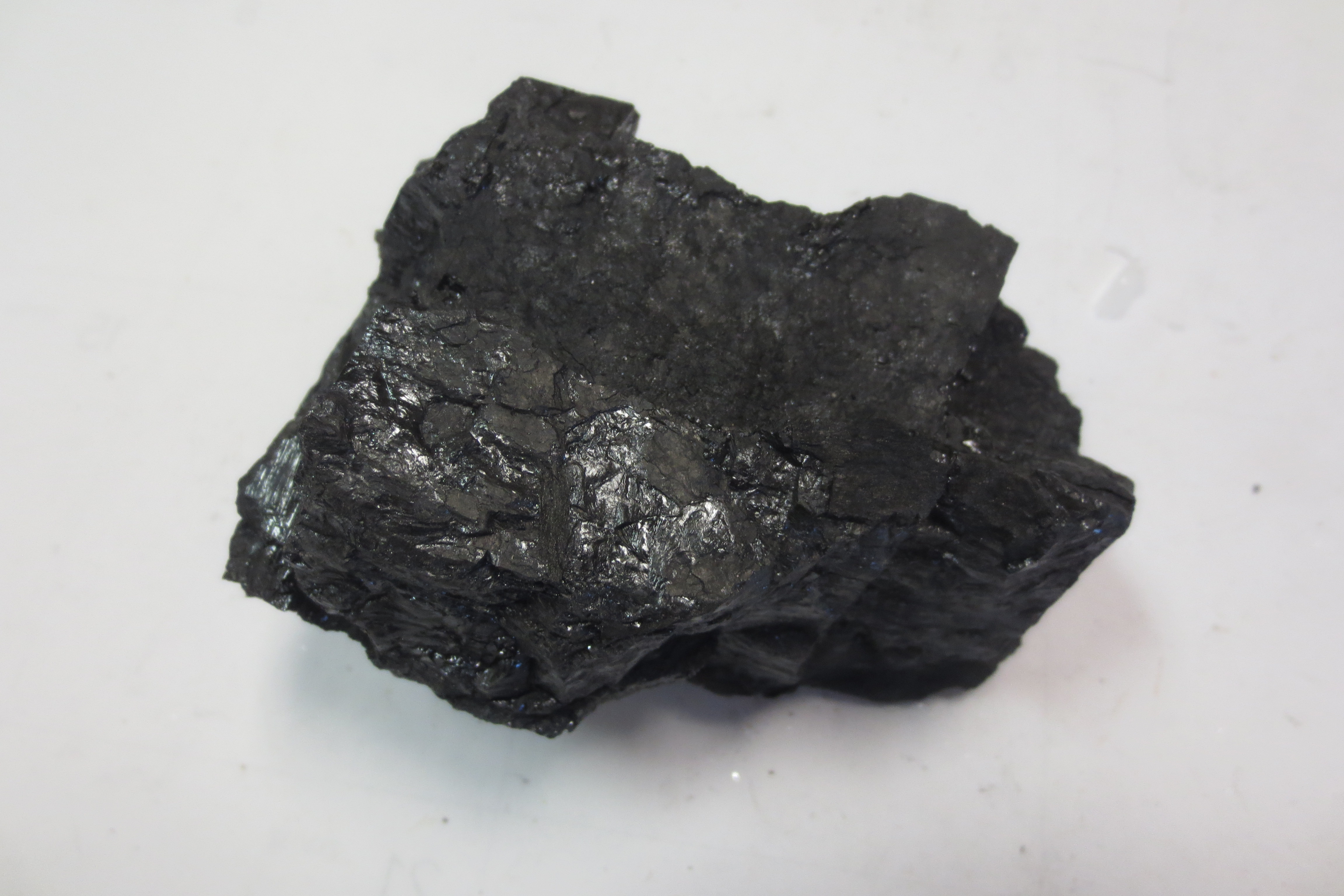
Fuel encompasses materials reacting with other substances to release energy, either as thermal energy or for work. Initially, the term applied only to materials releasing chemical energy. However, its definition has broadened to include other heat energy sources, like nuclear energy. Thus, the scope of 'fuel' extends beyond traditional chemical combustion to encompass any substance or process capable of generating usable energy.
8 hours ago : Oil Prices Fall as Trump Waives Russia Sanctions to Increase Global Fuel Supply
Oil prices have tumbled following the Trump administration's decision to waive specific sanctions on Russia. Officials argue the move aims to boost global fuel supplies and facilitate hostage negotiations rather than providing an economic lifeline to Russia's energy sector.


2005: Coal Provides 40% of World's Electrical Power
In 2005, coal combustion was responsible for generating 40% of the world's electrical power.
2006: Non-Fossil Energy Sources in 2006
In 2006, non-fossil energy sources included hydroelectric (6.3%), nuclear (8.5%), and other sources such as geothermal, solar, tidal, wind, wood, and waste (0.9%).
2007: Energy Information Administration Estimates for 2007
In 2007, the Energy Information Administration estimated that primary sources of energy consisted of petroleum (36.0%), coal (27.4%), and natural gas (23.0%), making up 86.4% of fossil fuels in primary energy consumption worldwide.

Trending

4 hours ago Elon Musk Pledges One SpaceX Share to Every American Child Next Year

4 hours ago SpaceX Executes Bandwagon-5 Mission and 35th NASA Cargo Resupply Launch

4 hours ago Taylor Swift Dazzles in Dior at the 2026 Academy Museum Gala Red Carpet

4 hours ago Adrian Mannarino Faces Aleksandar Vukic at ATP Almaty Open

6 hours ago Katie Boulter Family Background and Recent Tennis Circuit Updates
6 hours ago Violent Cost-of-Living Protests Erupt in Central Milan
Popular

Ilhan Omar is a prominent American politician currently serving as...
Ken Paxton is an American politician and lawyer serving as...
Elon Musk is a visionary entrepreneur and engineer known for...
Michael Joseph Jackson the King of Pop was a highly...

Cristiano Ronaldo widely considered one of the greatest footballers captains...

Jameis Winston is an American football quarterback currently playing for...