Jerry West's Success and Achievements in Timeline


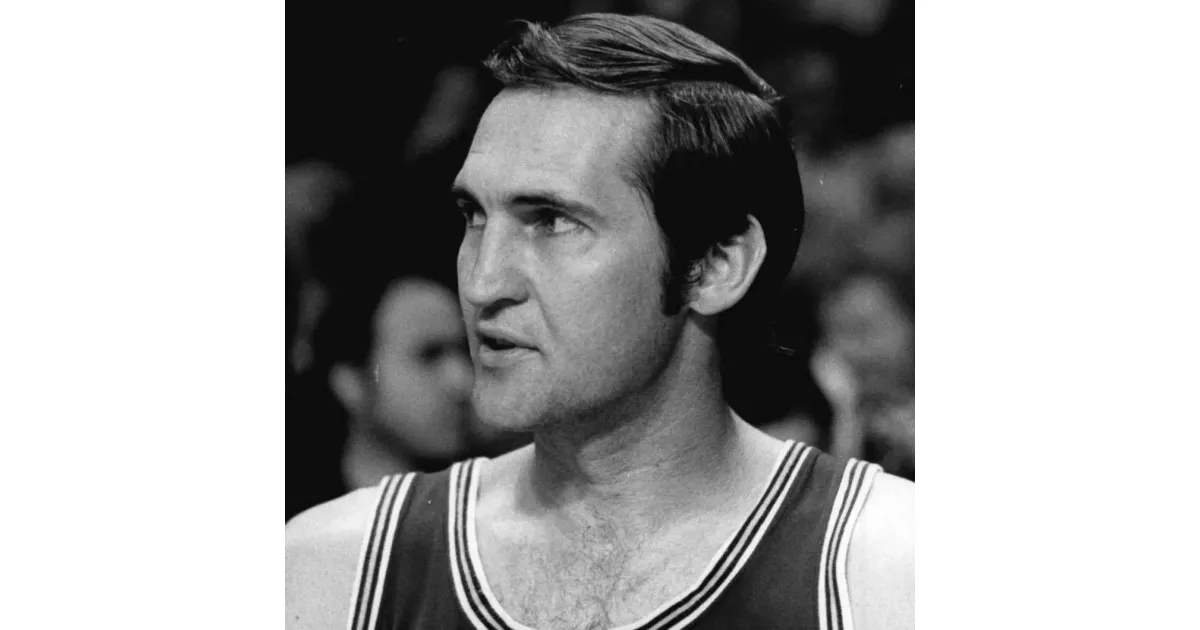
A closer look at the biggest achievements of Jerry West. Awards, milestones, and records that define success.
Jerry West, nicknamed "the Logo," "Mr. Clutch," "Mr. Outside," and "Zeke from Cabin Creek," was an American basketball player and executive. He is considered one of the greatest NBA players of all time, playing his entire professional career with the Los Angeles Lakers. "The Logo" nickname is derived from his silhouette being the basis for the NBA logo. West was known for his clutch performances, highlighted by his buzzer-beating 60-foot shot in the 1970 NBA Finals.


1958: Junior Year at WVU
In 1958, during his junior year at WVU, Jerry West scored 26.6 points per game and grabbed 12.3 rebounds per game.
1959: Collegiate Season Highs
During the 1959-60 collegiate season, Jerry West enjoyed several career highs, including scoring 29.3 points per game and grabbing 16.5 rebounds per game.
1959: NCAA Championship Game
In 1959, Jerry West led the West Virginia Mountaineers to the NCAA championship game and earned the NCAA Final Four Most Outstanding Player honor, despite losing in the championship.
1960: Olympic Gold Medal
In 1960, Jerry West co-captained the U.S. men's basketball team that won the gold medal at the Summer Olympics.
1960: Election into the Basketball Hall of Fame as a Member of the U.S. Olympic Team
In 1960, Jerry West was elected to the Basketball Hall of Fame as a member of the U.S. Olympic team.
1961: Stepping Up as Team Leader
In the 1961-62 NBA season, with Elgin Baylor's limited availability, Jerry West became the team leader for the Lakers, averaging 30.8 points per game and earning All-NBA First Team honors.
January 17, 1962: Career-High Scoring Game
On January 17, 1962, Jerry West scored a career-high 63 points in a 129–121 win over the New York Knicks.
1962: NBA All-Star and All-NBA First-Team Honors
In 1962-63 NBA season, Jerry West averaged 27.8 points, 7 rebounds and 5.6 assists and was again NBA All-Star and All-NBA First-Team.
1963: Lakers' Scoring Leader
In 1963-64 NBA season, Jerry West became the Lakers' scoring leader for the first time, averaging 28.7 points per game.
1964: Averaged career-high points
In 1964, during the 1964–65 NBA season, Jerry West averaged a then-career-high of 31.0 points.
1965: Averaged career-best points
During the 1965-66 NBA season, West averaged a career-best 31.3 points.
1965: Took over leading role due to Baylor's injury
In 1965, during the 1964-65 NBA playoffs, after Baylor's injury, West scored 49 points and willed the Lakers to win against the Baltimore Bullets. He averaged 46.3 points per game, an NBA record.
1969: NBA Finals MVP Award
In 1969, Jerry West became the only player in NBA history to be named Finals MVP despite being on the losing team.
1969: All-Defensive Team Selection
In 1969, when the All-Defensive Teams were introduced, Jerry West made the team, starting a streak that lasted until his career ended.
1970: Buzzer-Beating Shot in the NBA Finals
In 1970, Jerry West made a famous buzzer-beating 60-foot shot that tied game 3 of the NBA Finals against the New York Knicks, solidifying his reputation for clutch plays.
1970: Leads NBA in scoring average and makes incredible shot
In 1970, during the 1969-70 NBA season, West led the NBA in scoring average with 31.2 points per game. In game 3, West incredibly connected to a 60-foot shot that was later called one of the greatest moments ever by the NBA. However, he sprained his left hand in overtime, and the Knicks won 111–108.
1972: "Jerry West Night" Recognition
Even before his sole championship in 1972, the Lakers held a "Jerry West Night," where Bill Russell praised West as a true champion.
1972: NBA All-Star MVP and Championship Win
In 1972, Jerry West was chosen as the NBA All-Star MVP and won the only title of his career.
1972: Named All-Star Game MVP
In 1972, during the 1971-72 NBA season, Jerry West was named All-Star, All-NBA and All-Defense First Teamer and voted 1972 All-Star Game MVP.
1972: Won First NBA Championship
In 1972, the Lakers won the NBA championship against the New York Knicks, marking West's first-ever NBA title. He reached 4,002 playoff points during the series, setting an all-time NBA record.
1973: NBA Finals Loss and Hamstring Injuries
In 1973, the Lakers, despite winning 60 games and reaching the NBA Finals against the New York Knicks, lost the series. During the series, Jerry West strained both of his hamstrings, impacting his performance.
1979: Election into the Naismith Memorial Basketball Hall of Fame
In 1979, Jerry West was elected into the Naismith Memorial Basketball Hall of Fame.
1980: Induction into the Hall of Fame and NBA 35th Anniversary Team
In 1980, Jerry West was inducted into the Hall of Fame and named to the NBA 35th Anniversary Team.
1980: Lakers Championship
In 1980, as general manager of the Lakers, West helped to build the Showtime dynasty which brought a championship ring to Los Angeles.
1983: Lakers Retired Jersey No. 44
In 1983, the Los Angeles Lakers retired Jerry West's No. 44 jersey.
1985: Lakers Championship
In 1985, as general manager of the Lakers, West helped to build the Showtime dynasty which brought a championship ring to Los Angeles.
1987: Lakers Championship
In 1987, as general manager of the Lakers, West helped to build the Showtime dynasty which brought a championship ring to Los Angeles.
1988: Lakers Championship
In 1988, as general manager of the Lakers, West helped to build the Showtime dynasty which brought a championship ring to Los Angeles.
1990: Induction into the National High School Hall of Fame
In 1990, Jerry West was inducted into the National High School Hall of Fame.
1995: Executive of the Year Award
In 1995, Jerry West received his first Executive of the Year Award for his role in turning the Lakers around.
1996: NBA 50th Anniversary Team Selection
In 1996, Jerry West was named as one of the 50 Greatest Players in NBA History.
2000: Sixth Championship as Lakers' Executive
At the end of the 1999–2000 season, Jerry West departed from the Lakers after winning his sixth championship as an executive, due to a power struggle with head coach Phil Jackson.
2000: "Jerry West Boulevard" Dedication
In the summer of 2000, the city of Morgantown, West Virginia, dedicated the road outside of the West Virginia University Coliseum as "Jerry West Boulevard".
2001: Lakers NBA Championship Defense
In 2001, the Lakers defended their NBA championship as West laid down the foundation for their three-peat.
2002: Lakers NBA Championship Defense
In 2002, the Lakers defended their NBA championship as West laid down the foundation for their three-peat.
2004: Executive of the Year Award and Coach of the Year
In 2004, Jerry West won his second NBA Executive of the Year Award. Hubie Brown, who West signed as a coach, became Coach of the Year in the same year.
2004: NBA Executive of the Year Award as Grizzlies Manager
In 2004, Jerry West won the NBA Executive of the Year Award as a Grizzlies manager.
November 26, 2005: West Virginia University Retired Number 44
On November 26, 2005, Jerry West's number 44 became the first basketball number to be retired by West Virginia University.
February 17, 2007: Bronze Statue Installation at WVU Coliseum
On February 17, 2007, a bronze statue of Jerry West was installed outside of the WVU Coliseum.
March 2008: Ranked Third Greatest Shooting Guard by ESPN
In March 2008, ESPN voted Jerry West the third greatest shooting guard of all time.
2010: Election into the Basketball Hall of Fame as a Member of the U.S. Olympic Team
In 2010, Jerry West was elected to the Basketball Hall of Fame as a member of the 1960 U.S. Olympic team.
2010: Induction into the Naismith Memorial Basketball Hall of Fame
In 2010, Jerry West's 1960 U.S. Olympic gold medal team was inducted as a unit into the Naismith Memorial Basketball Hall of Fame.
February 17, 2011: Statue Unveiled Outside Staples Center
On February 17, 2011, a statue of Jerry West was unveiled outside Staples Center in Los Angeles, California.
2011: WVU All-Time Records
As of 2011, Jerry West holds 12 WVU all-time records.
2015: NBA Title as Consultant with Golden State Warriors
In 2015, Jerry West won an NBA title as a consultant with the Golden State Warriors.
2015: Golden State Warriors win NBA Championship
In 2015, as part of Golden State's front office, the Warriors won their NBA championship.
2015: Warriors Championship
In 2015, the Warriors won their first championship in 40 years, marking the seventh championship earned by West as a team executive.
2017: Another NBA Title as Consultant with Golden State Warriors
In 2017, Jerry West won another NBA title as a consultant with the Golden State Warriors.
2017: Golden State Warriors win NBA Championship
In 2017, as part of Golden State's front office, the Warriors won their NBA championship.
2017: Warriors Championship
In 2017, the Golden State Warriors won the NBA Finals, securing West his eighth championship as a team executive.
September 5, 2019: Presidential Medal of Freedom
On September 5, 2019, Jerry West received the Presidential Medal of Freedom from President Donald Trump in recognition of his contributions to the sport.
2021: NBA 75th Anniversary Team Selection
In 2021, Jerry West was named to the NBA 75th Anniversary Team.
2022: Ranked 14th Greatest Player in NBA History
In 2022, to commemorate the NBA's 75th Anniversary, The Athletic ranked Jerry West as the 14th greatest player in NBA history.
2024: Election into the Basketball Hall of Fame as a Contributor
In 2024, Jerry West was elected to the Basketball Hall of Fame as a contributor, honoring his tenure as a general manager and consultant.
2024: Induction to the Hall of Fame as Contributor
In 2024, Jerry West was inducted to the Hall of Fame as a contributor to the sport as an executive and consultant.
Mentioned in this timeline

Donald John Trump is an American politician media personality and...
Basketball is a team sport played on a rectangular court...
Kobe Bryant a celebrated shooting guard played his entire -year...

Home Box Office HBO is an American pay television service...
Shaquille O'Neal is widely regarded as one of the most...
Bill Russell was a dominant center for the Boston Celtics...
Trending
3 hours ago Charlotte Hornets Defeat Brooklyn Nets in NBA Season Opener

3 hours ago Zaccharie Risacher Shows Potential Despite Challenging NBA Debut and Loss
3 hours ago Jacob Misiorowski Takes the Mound for Brewers in World Series Game 1
3 hours ago Broadcaster Joe Davis Receives Support Amidst Dodgers Bias Allegations

3 hours ago The Family Stone Sequel Begins Filming in New York Featuring Original Cast Members
3 hours ago Jon Hamm Series Becomes Number One Streaming Sensation on MGM Plus
Popular

Ilhan Omar is a prominent American politician currently serving as...

Ken Paxton is an American politician and lawyer serving as...

Elon Musk is a visionary entrepreneur and engineer known for...

Michael Joseph Jackson the King of Pop was a highly...
Cristiano Ronaldo widely considered one of the greatest footballers captains...

Elizabeth Holmes is an American entrepreneur and the founder of...