


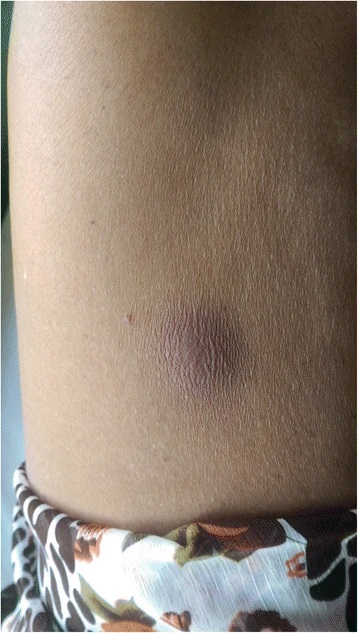
Melioidosis is an infectious disease caused by the bacterium Burkholderia pseudomallei. While many exposed individuals remain asymptomatic, others develop a range of symptoms, from mild fever and skin changes to severe pneumonia, abscesses, and potentially fatal septic shock. A subset of patients, around 10%, experience chronic melioidosis, characterized by symptoms persisting for over two months. The severity and diverse presentation of melioidosis highlight its potential for significant morbidity and mortality.
1912: First Report of Melioidosis
In 1912, Pathologist Alfred Whitmore and his assistant Krishnaswami first reported melioidosis among beggars and morphine addicts at autopsy in Rangoon, present-day Myanmar.


1913: Possible Mention in Sherlock Holmes Story and Outbreak in Kuala Lumpur
In 1913, Arthur Conan Doyle may have alluded to melioidosis in a Sherlock Holmes story, and an outbreak occurred at the Institute for Medical Research in Kuala Lumpur.
1917: Confirmation of New Bacteria Species
In 1917, Fletcher isolated an organism similar to Whitmore's bacillus from a Tamil rubber estate worker, confirming the presence of the new species of bacteria.
1921: Term "Melioidosis" Coined
In 1921, the term "melioidosis" was first coined, derived from Greek roots meaning "a condition similar to glanders."
1927: First human case of melioidosis in South Asia
In 1927, the first human case of melioidosis in South Asia was reported in Sri Lanka.
1932: Thomas and Fletcher collected 83 cases of melioidosis
In 1932, Thomas and Fletcher compiled a collection of 83 cases of melioidosis from various sources. The case series indicated a high mortality rate, with only two survivors.
1936: First animal case of melioidosis in Africa
In 1936, the first animal (pig) case of melioidosis in Africa was reported in Madagascar.
1937: Water identified as habitat of B. pseudomallei
In 1937, water was first identified as the natural habitat of B. pseudomallei, which was a key discovery.
1949: First case of Australian melioidosis in sheep
In 1949, the first case of Australian melioidosis was described during an outbreak in sheep in North Queensland.
1950: First case of human melioidosis in Australia
In 1950, the first case of human melioidosis in Australia was reported in Townsville, following the outbreak in sheep the previous year.
1950: Historical Cases Reported in the US
In the United States, two historical cases (1950 and 1971) have been reported amongst people that did not travel overseas.
1955: First case of local human melioidosis in Thailand
In 1955, the first case of local human melioidosis was reported in Thailand.
1961: Cases Reported in Bangladesh
From 1961–2017, fifty-one cases of melioidosis were reported in Bangladesh. Nonetheless, lack of awareness and resources gives rise to underdiagnosis of the disease in the country.
1971: Historical Cases Reported in the US
In the United States, two historical cases (1950 and 1971) have been reported amongst people that did not travel overseas.
1982: Reported use of B. mallei during the Soviet-Afghan War
In 1982 and 1984, the Soviet Union reportedly used B. mallei during the Soviet–Afghan War.
1984: Reported use of B. mallei during the Soviet-Afghan War
In 1982 and 1984, the Soviet Union reportedly used B. mallei during the Soviet–Afghan War.
1989: Decline of Chloramphenicol, Co-trimoxazole, and Doxycycline Combination Therapy
Before 1989, the standard treatment for acute melioidosis was a three-drug combination of chloramphenicol, co-trimoxazole, and doxycycline; this regimen is associated with a mortality rate of 80% and is no longer used unless no other alternatives are available.
1989: Ceftazidime shown as effective antibiotic against melioidosis
In 1989, studies in Thailand demonstrated ceftazidime as an effective antibiotic against melioidosis, reducing the risk of death from 74% to 37%.
1990: Discovery of non-virulent 'arabinose-positive B. pseudomallei'
In 1990, Vanaporn Wuthiekanun found a non-virulent 'arabinose-positive B. pseudomallei', later reclassified as B. thailandensis, which became a useful tool for studying the pathogenesis of B. pseudomallei.
1991: Cases Reported in India
Since 1991, a total of 583 cases were reported in India, with most Indian cases located in Karnataka and Tamil Nadu.
1992: Pathogen formally named B. pseudomallei
In 1992, the pathogen previously classified under Pseudomonas was formally named Burkholderia pseudomallei.
1994: First International Symposium on melioidosis held in Kuala Lumpur
In 1994, the First International Symposium on melioidosis was held in Kuala Lumpur, attended by 80 delegates, with presented papers later published as a book.
2002: B. pseudomallei classified as a "Category B agent"
In 2002, B. pseudomallei was classified as a "Category B agent".
2004: Complete genome of B. pseudomallei published
In 2004, the complete genome of B. pseudomallei was published, marking a significant advancement in understanding the bacterium.
2005: Lifelong Co-trimoxazole Therapy
According to a review of case reports in 2005, lifelong therapy with co-trimoxazole may be needed for those with prosthetic vascular grafts due to mycotic aneurysm.
2010: Recent Cases Reported in the US
In the United States, four recent cases (2010, 2011, 2013, 2020) have been reported amongst people that did not travel overseas.
2010: Unreported Cases in the UK
Since 2010, in the United Kingdom, 41.3% of imported melioidosis cases reported by laboratories were not officially notified.
2010: Under-Reporting of Melioidosis
Since 2010, under-reporting is a common problem as only 1,300 cases have been reported worldwide, which is less than 1% of the projected incidence based on modelling.
2011: Recent Cases Reported in the US
In the United States, four recent cases (2010, 2011, 2013, 2020) have been reported amongst people that did not travel overseas.
2012: B pseudomallei classified as a "Tier 1 select agent" by the U.S. Centers for Disease Control
In 2012, B pseudomallei was classified as a "Tier 1 select agent" by the U.S. Centers for Disease Control, highlighting its potential threat.
2013: Recent Cases Reported in the US
In the United States, four recent cases (2010, 2011, 2013, 2020) have been reported amongst people that did not travel overseas.
2014: Study on Behavioral Changes and Melioidosis Risk
A study from 2014 to 2018 showed no significant differences in whether behavioral changes can reduce the risk of contracting melioidosis. Modification of behavioural changes or more frequent interventions may be needed to ensure a definite reduction in the risk of getting melioidosis.
2014: Co-trimoxazole established as the only oral eradication therapy
In 2014, co-trimoxazole was established as the only oral eradication therapy, replacing the previous combination therapy with doxycycline.
2014: Royal Darwin Hospital Guidelines on Immunomodulating Therapy
In 2014, the Royal Darwin Hospital guidelines recommended granulocyte colony-stimulating factor (G-CSF) as immunomodulating therapy for those with septic shock at 300 ug daily as soon as the bacteriological laboratory flag the culture as possibly Burkholderia pseudomallei.
2014: Rare Recurrent Melioidosis
Recurrent melioidosis is rare since 2014 due to improved antibiotic therapy and prolongation of the intensive phase of therapy as evident in Darwin Prospective Melioidosis Study.
2015: Formation of the International Melioidosis Society
In 2015, the International Melioidosis Society was formed to raise disease awareness of Melioidosis.
June 2016: Melioidosis Notification in Thailand
In June 2016, melioidosis became a notifiable condition in Thailand, allowing for monitoring of the disease burden. However, the official notification system initially underestimated the true incidence and mortality.
2016: Melioidosis Infection and Mortality Statistics
In 2016, a mathematical model estimated that approximately 165,000 people are infected with melioidosis annually, resulting in about 89,000 deaths. The model also highlighted diabetes as a major risk factor.
2016: Statistical model developed to predict the occurrence of global melioidosis
In 2016, a statistical model was developed to predict the occurrence of global melioidosis per year, aiding in disease monitoring and prevention efforts.
2016: Statistical Model for Melioidosis Cases
In 2016, a statistical model was developed, predicting approximately 165,000 melioidosis cases per year, with a significant portion in East and South Asia and the Pacific. The model estimated a high mortality rate.
2017: Cases Reported in Bangladesh
From 1961–2017, fifty-one cases of melioidosis were reported in Bangladesh. Nonetheless, lack of awareness and resources gives rise to underdiagnosis of the disease in the country.
2017: Australia suggested as early reservoir for melioidosis
In 2017, whole genome sequencing of B. pseudomallei suggested Australia as the early reservoir for melioidosis, disproving previous hypotheses about its spread from Southeast Asia.
2018: Study on Behavioral Changes and Melioidosis Risk
A study from 2014 to 2018 showed no significant differences in whether behavioral changes can reduce the risk of contracting melioidosis. Modification of behavioural changes or more frequent interventions may be needed to ensure a definite reduction in the risk of getting melioidosis.
2018: Study on Co-trimoxazole for Melioidosis Prevention
In 2018, a study determined that co-trimoxazole could potentially prevent melioidosis in high-risk renal failure patients undergoing haemodialysis.
2020: Revised Royal Darwin Hospital Guideline
According to the 2020 Revised Royal Darwin Hospital Guideline, the dosage for intravenous ceftazidime is 2g 6-hourly in adults (50 mg/kg up to 2g in children less than 15 years old). The dosage for meropenem is 1g 8-hourly in adults (25 mg/kg up to 1g in children).
2020: Recent Cases Reported in the US
In the United States, four recent cases (2010, 2011, 2013, 2020) have been reported amongst people that did not travel overseas.
2021: EUCAST Guideline on Antimicrobial Susceptibility Testing
In 2021, the European Committee on Antimicrobial Susceptibility Testing (EUCAST) released a new guideline on interpreting the susceptibility of B pseudomallei towards various antibiotics on disc susceptibility testing.
2021: Melioidosis Outbreak in the US
In 2021, there was a melioidosis outbreak in several states in the United States due to usage of contaminated aromatherapy spray imported from India.
2022: Melioidosis Not on WHO List
As of 2022, melioidosis is not included in the WHO list of neglected tropical diseases.
Mentioned in this timeline

The Union of Soviet Socialist Republics USSR existed from to...
India officially the Republic of India is a South Asian...
Myanmar also known as Burma is a Southeast Asian country...
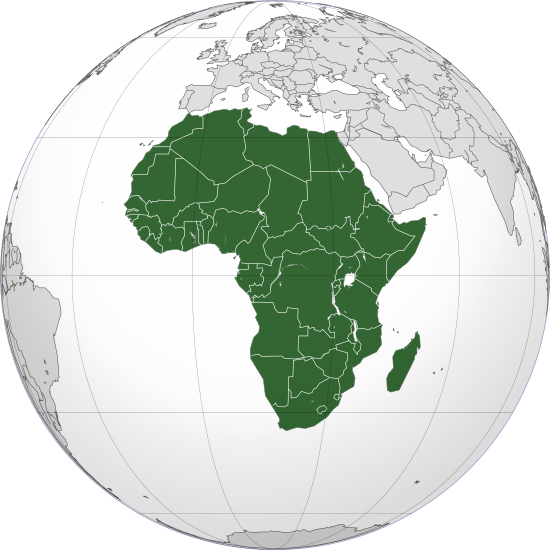
Africa is the second-largest and second-most populous continent home to...
Australia officially the Commonwealth of Australia is a country encompassing...

War is defined as an armed conflict involving the armed...
Trending

3 hours ago Brock Bowers Becomes Second-Fastest Tight End to Reach Career Yards Milestone
3 hours ago Cam Skattebo Shares Confidence Ahead of Giants Matchup Against Commanders

3 hours ago D'Andre Swift Returns to Practice Amidst Fantasy Football Ranking Surge

4 hours ago Ja'Marr Chase and Tee Higgins Cleared for Bengals Upcoming Game
4 hours ago Tyler Warren Featured in NFL Week 5 Fantasy Football Projections and Lineup Advice
4 hours ago Kendre Miller Fantasy Football Outlook and Waiver Wire Value for Week 5
Popular

Ken Paxton is an American politician and lawyer serving as...

Cristiano Ronaldo widely considered one of the greatest footballers captains...

Michael Joseph Jackson the King of Pop was a highly...

Elon Musk is a visionary entrepreneur and engineer known for...

Shakira Isabel Mebarak Ripoll the Queen of Latin Music is...

Bernie Sanders is a prominent American politician and the senior...