History of New Zealand–South Africa relations in Timeline


New Zealand and South Africa share diplomatic relations as members of the Cairns Group, the Commonwealth of Nations, and the United Nations. Historically, New Zealand strongly opposed South Africa's apartheid regime, imposing sanctions and advocating for its end. Since the end of apartheid in 1994, relations have normalized and strengthened, focusing on trade, sports, and cultural exchanges. Both nations collaborate on various international issues and maintain diplomatic missions in each other's capitals.
3 hours ago : New Zealand and South Africa Start 2028 T20 World Cup Journey with Series
New Zealand and South Africa began their journey towards the 2028 T20 World Cup with a T20 series. New Zealand won the toss and chose to bat first. Fans could watch live on TV.


1902: End of Second Boer War
In 1902, the Second Boer War ended, resulting in a British victory over the Transvaal Republic and Orange Free State in South Africa. New Zealand contributed over 6,000 soldiers to fight alongside the British, with approximately 230 New Zealanders losing their lives in the war.
1934: South Africa Independence
In 1934, South Africa gained its independence from Great Britain.
1947: New Zealand Independence
In 1947, New Zealand obtained its independence.
1981: Controversy Surrounds South Africa Rugby Tour
In 1981, controversy erupted during the South Africa rugby union tour of New Zealand. This led to mass protests against the South African government's policy on apartheid.
1984: New Zealand Severs Diplomatic Ties with South Africa
In 1984, New Zealand severed diplomatic relations with South Africa, following the election of David Lange's Labour government, which pledged to close the South African consulate in Wellington.
January 1994: New Zealand Re-establishes Diplomatic Relations with South Africa
On January 19, 1994, New Zealand re-established diplomatic relations with South Africa after Nelson Mandela's release from prison and progress in negotiations to end apartheid.
May 1994: New Zealand Prime Minister Attends Mandela's Inauguration
In May 1994, New Zealand Prime Minister Jim Bolger attended the inauguration of Nelson Mandela.
1995: South Africa Hosts Rugby World Cup
In 1995, South Africa hosted the Rugby World Cup, with the final game between New Zealand and South Africa, deepening the relationship between fans and politicians of both nations. In November of the same year, President Nelson Mandela made an official visit to New Zealand.
1996: New Zealand Opens High Commission in Pretoria
In 1996, New Zealand opened a High Commission in Pretoria.
2009: South Africa Opens High Commission in Wellington
In 2009, South Africa reciprocated New Zealand's diplomatic presence by opening a High Commission in Wellington.
2013: South African Community in New Zealand
In 2013, it was estimated that there were 54,200 South Africans residing in New Zealand, most of whom arrived after the end of apartheid for economic, safety, and lifestyle reasons.
2017: Two-Way Trade Between New Zealand and South Africa
In 2017, two-way trade between New Zealand and South Africa amounted to US$277 million. New Zealand's main exports to South Africa included dairy products, electronics, machinery, and pharmaceuticals. South Africa's main exports to New Zealand included vehicles, fishing ships, fruits, minerals, and machinery.
Mentioned in this timeline
New Zealand is an island country in the southwestern Pacific...
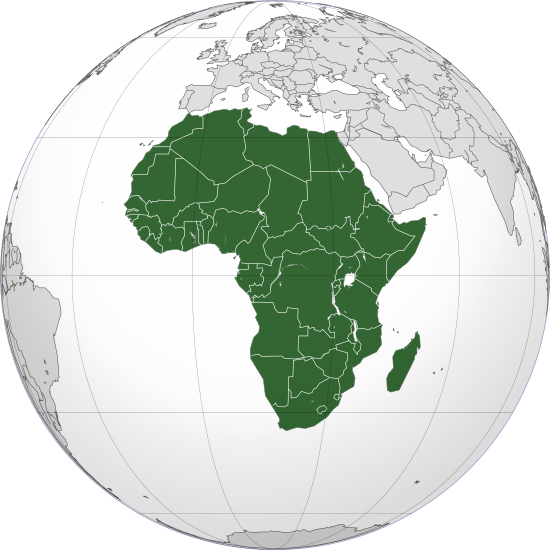
Africa is the second-largest and second-most populous continent home to...
South Africa officially the Republic of South Africa RSA is...
War is defined as an armed conflict involving the armed...
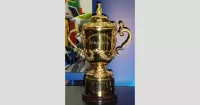
The Men's Rugby World Cup is a quadrennial rugby union...
An election is a structured decision-making process where a population...
Trending
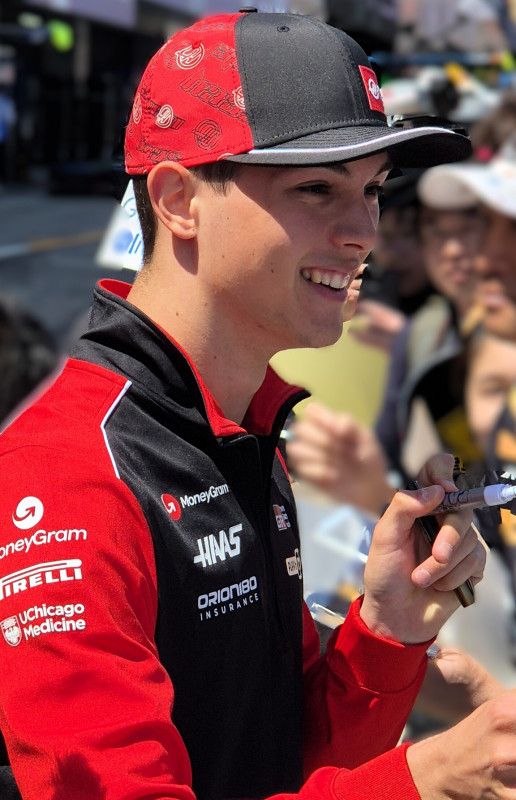
16 minutes ago Bearman's strong China Sprint Qualifying surprises; Ocon faces challenges in Shanghai.

1 hour ago Alonso eyes Chinese GP distance, Stroll praises progress, Honda reveals target.
1 hour ago Trump Urges Allies to Send Warships to Hormuz Amid Iran Retaliation Threat.
1 hour ago Bryson DeChambeau battles for LIV Golf Singapore, adjusts to four rounds, changes wedge.

8 days ago Kalinina's Antalya WTA 125 Journey: Semifinals and Runner-Up Finish

1 hour ago Max Verstappen's Red Bull faced power loss, leading to a shocking Chinese GP retirement.
Popular
Jesse Jackson is an American civil rights activist politician and...

XXXTentacion born Jahseh Dwayne Ricardo Onfroy was a controversial yet...

Paula White-Cain is a prominent American televangelist and key figure...
Victoria MacKenzie-Childs is a ceramic artist and co-founder with her...

Chaz Bono is an American writer musician and actor known...
Cesar Chavez was a prominent American labor leader and civil...