History of San Diego Zoo in Timeline


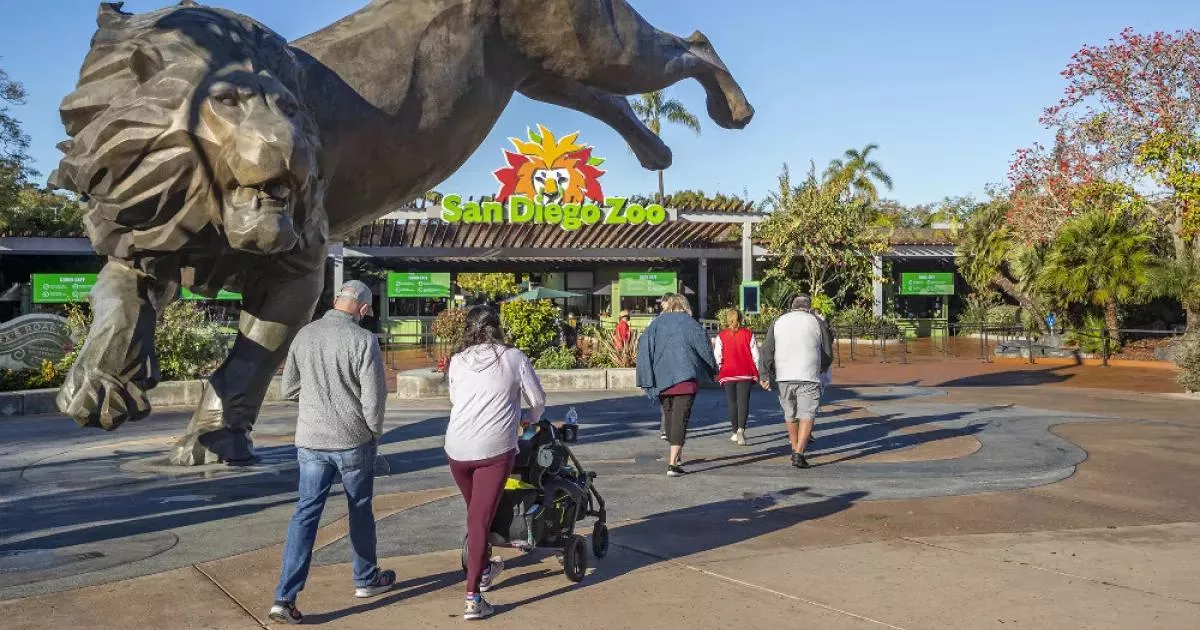
The San Diego Zoo, located in Balboa Park, San Diego, California, is renowned for its innovative open-air, cageless exhibits that mimic natural animal habitats. Founded by Dr. Harry M. Wegeforth, the zoo originated from animals remaining after the 1915 Panama-California Exposition. Its pioneering design revolutionized zoo exhibit design, providing a more natural and enriching environment for animals while offering visitors immersive viewing experiences.
3 hours ago : San Diego Zoo's Southwest Conservation Program Wins North American Conservation Award.
San Diego Zoo's Southwest Conservation Program received the North American Conservation Award for its efforts in conservation. The award recognized their activities in protecting endangered animal species, maintaining their environments and promoting local commitment to conservation activities.


1915: Lion Roar at the Panama–California Exposition
In 1915, Harry M. Wegeforth heard a lion roar at the Panama–California Exposition.
1915: Panama–California Exposition Animals
In 1915, the San Diego Zoo began with a collection of animals left over from the 1915 Panama–California Exposition. These animals were brought together by the zoo's founder, Dr. Harry M. Wegeforth.
1915: Exotic animal exhibitions abandoned
In 1915, the San Diego Zoo grew out of exotic animal exhibitions abandoned after the Panama–California Exposition.
October 2, 1916: Zoological Society of San Diego Founded
On October 2, 1916, Harry M. Wegeforth founded the Zoological Society of San Diego, which initially followed precedents set by the New York Zoological Society at the Bronx Zoo.
August 1921: Land Set Aside in Balboa Park
In August 1921, a permanent tract of land in Balboa Park was set aside for the San Diego Zoo. The city would own all the animals, and the zoo would manage them.
1922: First Cageless Exhibit
In 1922, the first lion area without enclosing wires opened at the San Diego Zoo.
June 13, 1923: Frank Buck Appointed Director
On June 13, 1923, Frank Buck started his job as director of the San Diego Zoo with a three-year contract.
1923: Scripps Aviary Built
In 1923, the Scripps Aviary was built at the San Diego Zoo, housing many colorful birds from Africa.
1925: Belle Benchley Appointed Executive Secretary
In 1925, Belle Benchley was appointed executive secretary, effectively becoming the zoo director.
1925: ZooNooz Publication Commenced
In early 1925, the publication ZooNooz was launched.
1926: Spanish Revival-style research hospital designed
In 1926, local architect Louis John Gill designed the Spanish Revival-style research hospital at the San Diego Zoo and received an Honor Award from the San Diego Chapter of the American Institute of Architects for his design.
1937: Largest Bird Cage
In 1937, Louis John Gill designed a bird cage at the zoo, which was then the largest bird cage in the world.
October 1938: Giraffes transported from British East Africa
In October 1938, the San Diego Zoo arranged the transport of two three-year-old giraffes, named Lofty and Patches, from British East Africa. They were caught in the Hurricane of 1938 during their 54 days at sea. They were transported via a specially customized 1938 International D-40 truck after spending 16 days at the U.S. Animal Quarantine Station in Athenia, New Jersey.
1940: Malayan Tapir Escapes
In 1940, a Malayan Tapir managed to escape several times from the San Diego Zoo, earning it the nickname "Terrible Trudy".
1941: Wegeforth's Presidency Ends
In 1941, Harry M. Wegeforth's tenure as president of the Zoological Society of San Diego came to an end.
1953: Charles Schroeder Succeeded Belle Benchley
In 1953, Dr. Charles Schroeder succeeded Belle Benchley as the director of the San Diego Zoo.
1959: Lofty died
In 1959, Lofty, one of the two giraffes transported to the San Diego Zoo in 1938, died due to old age.
1962: Patches died
In 1962, Patches, one of the two giraffes transported to the San Diego Zoo in 1938, died due to old age.
1969: Skyfari Built
In 1969, the Skyfari, an overhead gondola lift providing an aerial view of the zoo, was built by the Von Roll tramway company of Bern, Switzerland. The San Diego Zoo Skyfari is a Von Roll type 101.
1973: Cascade Canyon Opening
In 1973, Cascade Canyon opened as an exhibit area at the San Diego Zoo.
1975: CRES Founded
In 1975, the Center for Reproduction of Endangered Species (CRES) was founded at the San Diego Zoo.
1977: Tasmanian Devil Escapee Captured
In 1977, Tom Van Wagner, an animal control officer for the County of San Diego and a former employee of the San Diego Zoo, captured a Tasmanian devil escapee in a garage and transported it to the zoo.
1979: African penguins
Since 1979, African penguins arrived for the first time in the zoo.
1982: California Condor Population Decline
In 1982, the California Condor population had dwindled to only 22 due to poaching, lead poisoning, and habitat destruction. The San Diego Zoo Wildlife Alliance began managing the first propagation program for the California Condor.
1982: Whittier Southeast Asian Exhibits Opening
In 1982, the Whittier Southeast Asian Exhibits opened at the San Diego Zoo.
November 1984: Sichuan Snub-Nosed Monkeys Exhibited
In November 1984, a Chinese delegation brought a pair of Sichuan snub-nosed monkeys to the San Diego Zoo for a 13-day exhibition, marking the first time golden snub-nosed monkeys were exhibited abroad.
1988: Tiger Trail Opens
In 1988, Tiger Trail opened, housing Malayan tiger brothers and various bird species.
1988: Tiger River Dedication
In 1988, the Tiger Trail area of the zoo was dedicated as 'Tiger River', replacing the Cascade Canyon exhibit area.
1989: Exhibit Opens
In 1989, a $3.5 million exhibit opened, showcasing Bornean sun bears, François' langurs, and other animals.
1991: Gorilla Tropics Exhibit Opens
In 1991, the Gorilla Tropics exhibit opened, simulating the rainforests of central Africa and featuring an 8,000-square-foot enclosure for gorillas.
1996: Polar Bear Plunge Opening
In 1996, the Polar Bear Plunge exhibit opened at the San Diego Zoo.
September 1, 1997: Albino Koala Born
On September 1, 1997, the world's only albino koala in a zoological facility was born at the San Diego Zoo and named Onya-Birri.
1999: Birth of Hua Mei
In 1999, Hua Mei, the first giant panda cub in U.S. history to survive into adulthood, was born at the San Diego Zoo to Bai Yun and Shi Shi.
1999: Ituri Forest Exhibit Opens
In 1999, the 'Ituri Forest' exhibit opened, housing different animal species from the rainforests of central Africa.
2000: Animal Species Count
Since 2000, the total number of animal species in the San Diego Zoo collection has been reduced somewhat. This comes as exhibits are redeveloped into more spacious, naturalistic areas, and as several animals are transitioned to the Safari Park.
2000: Safari Park Size
The San Diego Zoo Safari Park covers nearly 2000 acres.
2003: Birth of Mei Sheng
In 2003, Mei Sheng, another giant panda cub, was born at the San Diego Zoo to Bai Yun and Gao Gao.
2003: Renovation of Whittier Southeast Asian Exhibits
In 2003, the Whittier Southeast Asian Exhibits underwent a major renovation, housing orangutans and siamangs.
2005: CRES Renamed
In 2005, CRES was renamed the Division of Conservation and Research for Endangered Species.
2005: Monkey Trails Opening
In 2005, Monkey Trails opened at the San Diego Zoo, replacing the Ape and Bird Mesa exhibits.
2006: Last baby red panda before 2023
Since 2006, there has not been a baby red panda born at the San Diego Zoo until Adira and Lucas welcomed their first cub on June 9, 2023.
May 23, 2009: Elephant Odyssey Opens
On May 23, 2009, Elephant Odyssey opened on the site of the former Hoof and Horn Mesa area, featuring a 2.5-acre elephant habitat.
2009: CRES Expanded
In 2009, CRES was significantly expanded to become the Institute for Conservation Research.
March 2010: Polar Bear Plunge Renovation
In March 2010, the Polar Bear Plunge exhibit underwent renovations.
July 29, 2012: Xiao Liwu Born
On July 29, 2012, Xiao Liwu, a giant panda cub, was born to Bai Yun and Gao Gao at the San Diego Zoo.
January 9, 2013: Xiao Liwu Debuts to Public
On January 9, 2013, Xiao Liwu was let outside for visitors to see for the first time at the San Diego Zoo.
March 2013: Hyenas Escape Enclosure
In March 2013, during a private party, two striped hyenas escaped their barriers at the San Diego Zoo, requiring a lockdown. They were sedated and taken to the veterinary care clinic.
May 2013: Australian Outback Opens
In May 2013, a new Australian Outback area, nicknamed "Koalafornia," opened, featuring over 40 koalas.
October 2013: Tasmanian Devils Arrive
Since October 2013, the exhibit also houses Tasmanian devils, making the San Diego Zoo the first American zoo to do so.
2014: African Penguins Arrived
In 2014, a colony of African penguins arrived at the San Diego Zoo for the first time since 1979.
2014: Koala Escaped to Neighboring Tree
In 2014, a koala named Mundu escaped to a neighboring tree outside its Koalafornia Australia Outback enclosure at the San Diego Zoo. Zookeepers lured him down after the park closed.
2014: Hornbill Collection
In 2014, the San Diego Zoo and San Diego Zoo Safari Park together held America's most diverse collection of hornbills, with 15 species displayed.
2014: First U.S. Zoo to Breed Ethiopian Mountain Adders
In 2014, the San Diego Zoo became the first U.S. zoo to successfully breed Ethiopian mountain adders after the successful hatching of seven eggs.
2015: Giant Panda Cubs Sent to China
By 2015, all of the giant panda cubs born at the San Diego Zoo had been sent back to China to participate in the breeding program there.
2015: Wolf's Guenons Escape Enclosure
In 2015, two Wolf's guenons escaped their Lost Forest enclosure at the San Diego Zoo, with one nearing a fence line off of Route 163 before being safely returned.
September 7, 2016: Geladas Arrive
On September 7, 2016, an all-male troop of geladas arrived from the Wilhelma Zoo in Stuttgart, Germany.
2016: Death of Baba the Pangolin
In 2016, Baba, the last pangolin on display in North America at the time, died at the San Diego Zoo.
June 22, 2017: Penguins move into Cape Fynbos exhibit
On June 22, 2017, a group of 20 penguins moved into the Cape Fynbos exhibit, preparing for its opening.
June 23, 2017: Leopard Sharks Arrive
On June 23, 2017, twelve leopard sharks arrived at the San Diego Zoo from SeaWorld San Diego to share an exhibit with the penguins.
June 28, 2017: Sharks and Penguins Introduced
On Wednesday, June 28, 2017, the leopard sharks were introduced to their exhibit and their penguin neighbors.
July 1, 2017: Africa Rocks Exhibit Opens
The Africa Rocks exhibit opened on July 1, 2017, highlighting the biodiversity of Africa.
December 6, 2017: Africa Rocks Completion
The Africa Rocks exhibit was completed on December 6, 2017, after an investment of US$60 million.
2017: Penguins Moved to Africa Rocks
In 2017, the African penguins moved into Africa Rocks.
April 2019: Giant Panda Exhibit Closed
In April 2019, the giant panda exhibit at the San Diego Zoo closed, with the pandas being repatriated to China. The exhibit was repurposed to display other Chinese animals.
2019: West With Giraffes Novel Featured Quarantine Station
In 2019, the quarantine station, giraffes, highway, the zoo and Benchley featured prominently in the novel, West With Giraffes.
April 9, 2020: Pygmy Hippo Born
On April 9, 2020, Mabel, a pygmy hippopotamus, gave birth to Akobi, a male calf at the San Diego Zoo. This was the first pygmy hippo born at the zoo in nearly thirty years.
October 2020: Gorillas Damaged Enclosure Glass
In October 2020, two gorillas at the San Diego Zoo charged at the glass of their enclosure, damaging the outer pane.
2020: Animal Species Count
By 2020, the total number of animal species in the San Diego Zoo collection has been reduced somewhat from around 860 to approximately 650. This comes as exhibits are redeveloped into more spacious, naturalistic areas, and as several animals are transitioned to the Safari Park.
July 2022: Reptile House Animal Count
As of July 2022, the reptile house included Mertens' water monitors, flower snakes, and other reptiles.
July 2022: Hummingbird Aviary Species Count
As of July 2022, the small aviary includes three species of hummingbirds and other birds from South America. Guests can view the birds from an observation bridge.
2022: Wildlife Explorers Basecamp Opens
In 2022, the Wildlife Explorers Basecamp was opened on the site of the historic Children's Zoo, offering interactive play opportunities and sculptures.
January 29, 2023: Red Panda Escaped for Six Hours
On January 29, 2023, Adira, a 2-year-old red panda, escaped her enclosure in Panda Canyon at the San Diego Zoo for six hours, but remained close by and was led back. This may have been related to the panda breeding season.
June 9, 2023: First Baby Red Panda Since 2006
On June 9, 2023, Adira and Lucas welcomed their first cub, the first baby red panda born at the San Diego Zoo since 2006.
November 2023: Giant pandas hint at return
In November 2023, General Secretary of the Chinese Communist Party Xi Jinping hinted at the return of giant pandas to the San Diego Zoo, suggesting it as a "gesture that China is ready to continue cooperation with the U.S. on panda conservation."
June 2024: Pandas loaned to zoo
In June 2024, the San Diego Zoo was loaned a pair of pandas, named Yun Chuan and Xin Bao.
August 8, 2024: Panda Debut
On August 8, 2024, Yun Chuan and Xin Bao, the two giant pandas loaned to the zoo, made their debut at the San Diego Zoo.
July 4, 2025: Giraffe calf birth
On July 4, 2025, a Masai giraffe calf was born in the Urban Jungle exhibit.
Mentioned in this timeline
California is a U S state on the Pacific Coast...
The lion Panthera leo is a large cat species native...

Xi Jinping is the paramount leader of China holding the...

Germany officially the Federal Republic of Germany is located in...

China officially the People's Republic of China PRC is located...
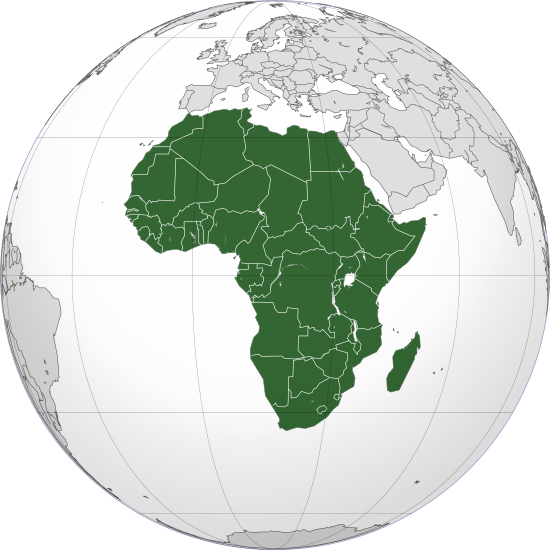
Africa is the second-largest and second-most populous continent home to...
Trending

7 minutes ago Casey Mize returns to Tigers rotation after injury, providing a boost.

1 hour ago Chris Gotterup Surges as Cameron Young Seeks Major at 2026 PGA Championship

3 hours ago Rob Schneider: 'Grown Ups 3' Rumors, Bismarck Show, and Comedy Debate Stance
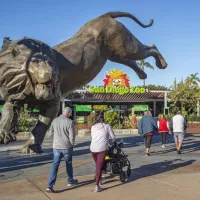
3 hours ago San Diego Zoo's Southwest Conservation Program Wins North American Conservation Award.

3 hours ago Watkins shines, outperforming Kane; Aston Villa vs Burnley match questions Watkins' plaster.

6 hours ago Brendan Fraser to wave green flag as honorary starter for Indy 500.
Popular

Michael Joseph Jackson the King of Pop was a highly...

Thomas Massie is a Republican politician and engineer representing Kentucky's...

Kash Patel is an American lawyer who currently serves as...

William Franklin Graham III known as Franklin Graham is an...

Paula White-Cain is a prominent American televangelist and key figure...

Sir David Attenborough is a highly acclaimed English broadcaster natural...