


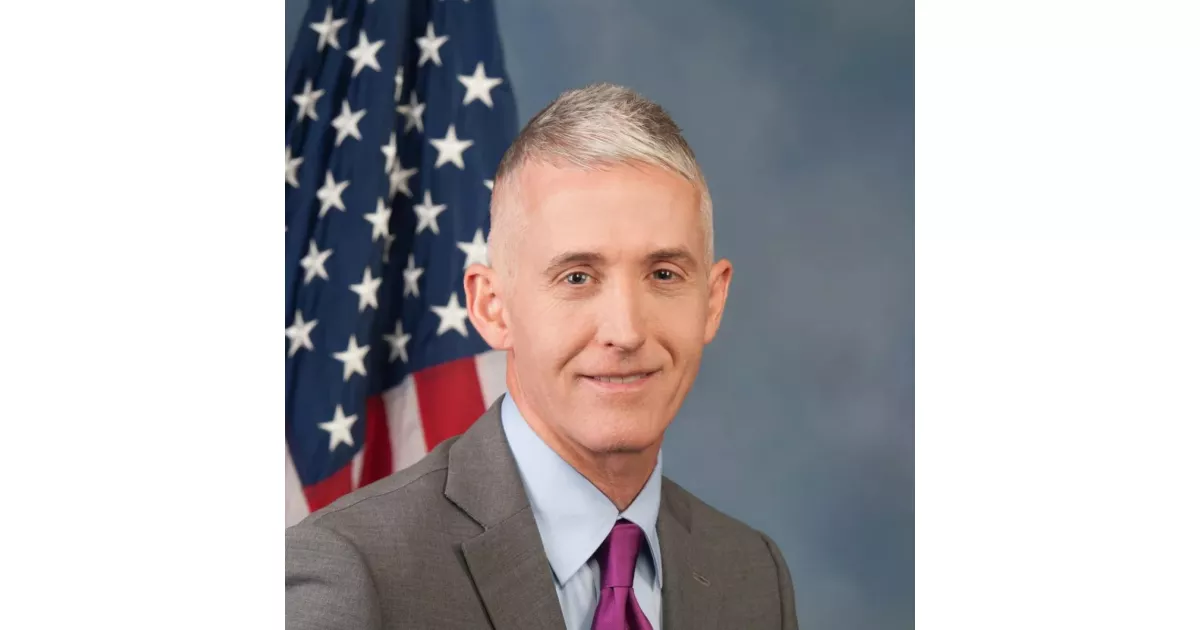
Trey Gowdy is an American attorney, television personality, and former politician who served as a U.S. Representative for South Carolina from 2011 to 2019. A former federal prosecutor, he gained national prominence for his sharp, disciplined questioning style during congressional hearings, most notably as chairman of the House Select Committee on Benghazi. His career is defined by his commitment to legal proceduralism and a rigorous approach to oversight investigations. Following his tenure in Congress, Gowdy transitioned into the media landscape, becoming a prominent legal analyst and host for Fox News. Known for his oratorical skills and conservative judicial philosophy, he remains a significant figure in American political commentary, often leveraging his background as a prosecutor to critique government actions and legal policies.
August 22, 1964: Birth of Trey Gowdy
Harold Watson "Trey" Gowdy III was born on August 22, 1964, eventually growing up to become a prominent American television news presenter, federal prosecutor, and U.S. representative.


1982: Graduation from Spartanburg High School
In 1982, Trey Gowdy successfully completed his secondary education and graduated from Spartanburg High School.
1986: Bachelor of Arts from Baylor University
In 1986, Trey Gowdy earned a Bachelor of Arts degree in history from Baylor University, where he was also involved with the Kappa Omega Tau organization.
1989: Juris Doctor from University of South Carolina School of Law
In 1989, Trey Gowdy obtained his Juris Doctor degree, marking the completion of his legal education at the University of South Carolina School of Law.
1993: Beginning of Bob Inglis's Congressional Term
In 1993, Bob Inglis began his initial period of service representing his district in the U.S. House of Representatives, a tenure that would last until 1999.
April 1994: Appointment as Assistant United States Attorney
In April 1994, Trey Gowdy transitioned from his role in private practice to serve as an assistant United States Attorney, marking a significant step in his legal career.
1994: Beginning of Federal Prosecution Career
In 1994, Trey Gowdy began his tenure as a federal prosecutor in the District of South Carolina, a role he would hold for six years.
1999: Conclusion of Bob Inglis's First Congressional Tenure
The year 1999 marked the conclusion of Bob Inglis's first term serving as the representative for his district in the U.S. House of Representatives.
February 2000: Election to 7th Circuit Solicitor
In February 2000, Trey Gowdy resigned from his position at the United States Attorney's Office to campaign for the position of 7th Circuit solicitor, ultimately defeating incumbent Holman Gossett in the primary and winning the general election.
2000: Transition to Solicitor
In 2000, Trey Gowdy concluded his federal prosecutor role and transitioned to serve as the solicitor for South Carolina's Seventh Judicial Circuit.
2004: Re-election as 7th Circuit Solicitor
In 2004, Trey Gowdy successfully secured his re-election to the position of 7th Circuit solicitor, running unopposed for the term.
2008: Re-election as 7th Circuit Solicitor
In 2008, Trey Gowdy was re-elected for another term as 7th Circuit solicitor, once again facing no opposition in the race.
2009: Announcement of Congressional Primary Challenge
During the summer of 2009, Trey Gowdy publicly declared his intention to run against the sitting Republican U.S. Congressman Bob Inglis in the primary election for the 4th congressional district of South Carolina.
June 2010: 2010 Republican Primary Election
In the June 2010 primary election, Trey Gowdy placed first among the candidates with 39% of the vote, competing against incumbent Bob Inglis and others. Because no candidate reached the 50% threshold, the results necessitated a run-off election.
December 2010: Constitutional Standards for Legislation
In December 2010, Trey Gowdy communicated to Congressional Quarterly his legislative philosophy, stating that he would only support governmental measures if their sponsors could explicitly demonstrate that the United States Constitution granted the government the authority to act within that specific realm.
2010: Conclusion of Solicitor Role
After a decade of service, Trey Gowdy ended his tenure as the district attorney for Spartanburg and Cherokee counties in 2010.
2010: Redistricting Following the 2010 Census
In 2010, following the census, a redistricting process occurred in South Carolina that initially threatened to remove Trey Gowdy's home of Spartanburg County from his district. After initial disappointment with a proposed map, a final version was adopted that kept the counties linked, which Gowdy expressed approval of in 2010.
August 2011: Opposition to Debt Ceiling Legislation and Defense Bill
During the 2011 United States debt ceiling crisis, Trey Gowdy voted against both Speaker John Boehner's debt limit bill and the final debt ceiling agreement. In August 2011, he also took a stand against the 2011 defense authorization bill, expressing concern regarding the potential for American citizens to be detained without trial due to national security policies.
2011: Start of Congressional Service
In 2011, Trey Gowdy began his tenure as the U.S. representative for South Carolina's 4th congressional district, a position he held while representing the Upstate region including Greenville and Spartanburg.
2012: 2012 Re-election Campaign
During the 2012 election cycle, Trey Gowdy's district was rated as 'Safe Republican' by Roll Call. In 2012, Gowdy successfully secured a second term in office by defeating Democratic challenger Deb Morrow with 65 percent of the vote compared to her 34 percent.
2012: Receipt of the Defender of Economic Freedom Award
In 2012, Trey Gowdy was honored with the Defender of Economic Freedom award by the Club for Growth, a 501(c)4 organization. He earned this recognition by achieving a score of 97 out of 100 based on the organization's fiscal metrics, placing him among the 34 congressmen to receive the distinction that year.
2012: Benghazi Attack Investigation
The Benghazi attack occurred in 2012, which later became the subject of a multi-year congressional investigation led by Trey Gowdy.
March 4, 2014: Introduction of the ENFORCE the Law Act of 2014
On March 4, 2014, Trey Gowdy introduced H.R. 4138, known as the ENFORCE the Law Act of 2014, into the U.S. House of Representatives. The legislation was designed to empower Congress to sue the President in federal district court to ensure the executive branch properly enforces federal laws, though the bill ultimately failed to become law.
2014: 2014 Re-election Victory
In 2014, Trey Gowdy successfully ran for re-election to his office. He faced Libertarian candidate Curtis E. McLaughlin as his sole opponent and secured a victory by winning 85% of the popular vote.
2014: Chairing the Select Committee on Benghazi
In 2014, Trey Gowdy was appointed to chair the United States House Select Committee on Benghazi to investigate the 2012 attack.
December 2015: Endorsement of Marco Rubio
In late December 2015, Trey Gowdy officially endorsed Senator Marco Rubio for the presidency, highlighting Rubio's reliability in fulfilling campaign promises, a move that created tension with the Donald Trump campaign.
March 2016: Marco Rubio Withdraws from Presidential Race
In March 2016, Marco Rubio suspended his presidential campaign following a primary defeat in his home state of Florida against Donald Trump, which concluded the period of Gowdy's initial endorsement.
July 2016: Consideration for U.S. Attorney General
In July 2016, Trey Gowdy was named by Republican presidential nominee Donald Trump as a potential candidate for the position of United States Attorney General within a future Trump cabinet.
November 2016: 2016 Congressional Re-election Victory
During the November 2016 election, Trey Gowdy successfully defended his congressional seat against Democratic challenger Chris Fedalei by securing 67% of the total vote.
2016: Conclusion of Benghazi Committee and Clinton Investigation
By 2016, Trey Gowdy concluded his work with the House Select Committee on Benghazi, having spent years investigating the attack and pushing for the prosecution of Hillary Clinton regarding her private email server.
2016: Russian Interference in the 2016 Election
During the 2016 calendar year, the United States experienced Russian interference in its presidential election, which subsequently led to a Special Counsel investigation led by Robert Mueller that Trey Gowdy navigated during his congressional tenure.
2016: 2016 Presidential Election Context
During the 2016 presidential election, FBI agent Peter Strzok was involved in internal discussions and investigations. While critics like Trey Gowdy alleged in July 2018 that Strzok's bias during the 2016 campaign compromised his duties, Strzok maintained that he never took action to impact the election results and refrained from leaking damaging information he possessed regarding the candidates.
2016: Trump Presidential Campaign FBI Surveillance Accusation
Throughout the 2016 presidential election cycle, events occurred that later led to allegations by President Donald Trump that the FBI had conducted surveillance on his campaign.
May 2017: Consideration for FBI Director
Following the dismissal of FBI Director James Comey in May 2017, Gowdy was vetted as a potential replacement but ultimately informed Attorney General Jeff Sessions of his desire to continue serving in his existing congressional seat.
June 2017: Chairing House Oversight Committee
Starting in June 2017, Trey Gowdy took on the leadership role of chairman for the House Oversight Committee.
January 31, 2018: Trey Gowdy Announces Retirement from Politics
On January 31, 2018, Trey Gowdy publicly declared that he would not seek re-election to Congress in 2018, stating his intention to return to the private practice of law.
May 2018: Gowdy Challenges Trump's FBI Accusation
In May 2018, Trey Gowdy publicly challenged President Donald Trump's assertion that the FBI had spied on his 2016 campaign, a move that led to significant political isolation and criticism from Trump's allies.
June 2018: Paul Ryan Supports Gowdy's Assessment
In June 2018, Speaker of the House Paul Ryan publicly backed Trey Gowdy, affirming that Gowdy's assessment regarding the FBI investigation into the Trump campaign was accurate.
June 2018: Gowdy Urges Conclusion of Special Counsel Investigation
In June 2018, Trey Gowdy utilized a hearing to formally urge Deputy Attorney General Rod Rosenstein to bring the special counsel investigation into Russian election interference to a close, a suggestion that Rosenstein ultimately rejected.
July 2018: Congressional Hearing on FBI Bias
In July 2018, Trey Gowdy conducted a congressional hearing where he confronted FBI agent Peter Strzok regarding allegations of political bias. Gowdy argued that Strzok's personal opinions against Donald Trump and in favor of Hillary Clinton had improperly influenced his professional work, specifically focusing on a text message exchange in which Strzok discussed stopping Trump's candidacy.
2019: End of Congressional Service
Trey Gowdy concluded his service as the U.S. representative for South Carolina's 4th congressional district in 2019, marking the end of his eight-year term in office.
2021: Trey Gowdy Becomes Host on Fox News
Throughout 2021, Trey Gowdy transitioned into a more prominent broadcasting role, serving as an interim host for Fox News Primetime and later being appointed the host of his own program, Sunday Night in America with Trey Gowdy.
May 2023: Gowdy Serves as Guest Host for Fox News Tonight
In May 2023, following the departure of Tucker Carlson from the network, Trey Gowdy took on the role of guest host for the program Fox News Tonight.
Mentioned in this timeline
Donald John Trump is an American politician media personality and...
Marco Rubio is a prominent American politician serving as the...
Hillary Diane Rodham Clinton is a prominent American politician lawyer...
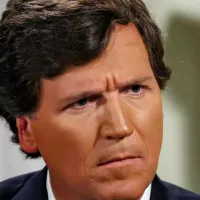
Tucker Carlson is an American conservative political commentator known for...

Fox News Channel FNC is an American multinational conservative news...

The rapid advancement of artificial intelligence continues to dominate the...
Trending

3 hours ago Sydney Sweeney Faces Public Backlash Over Controversial Dr. Seuss Themed Lingerie Advertising Campaign

2 days ago Cameron Boozer Prepares for Next Basketball Chapter as Solo Act

3 hours ago Keegan Murray's Performance and Role Within the Sacramento Kings Rotation
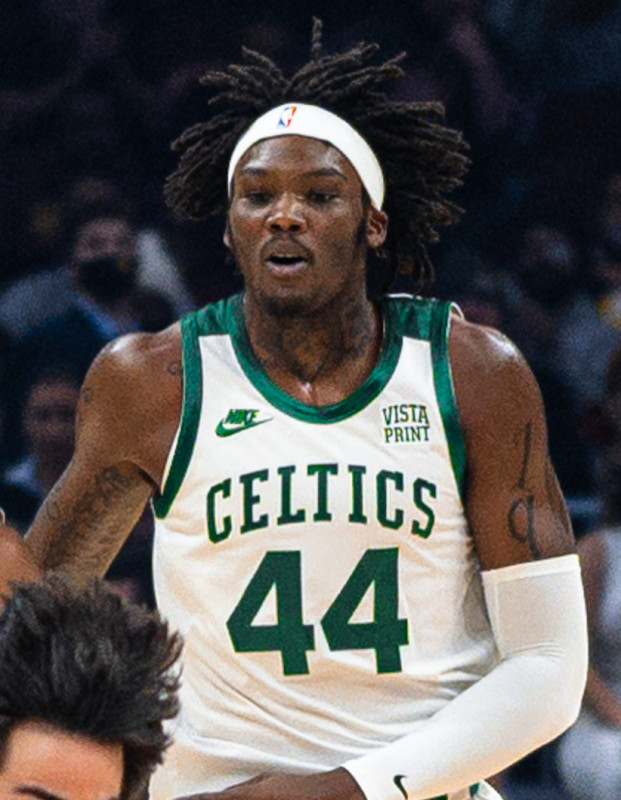
3 hours ago Robert Williams III Trade Speculation Surrounds Potential Portland Trail Blazers Moves

3 hours ago Stephon Castle Addresses Mentality Shifts Following Standout Scoring Performance for San Antonio Spurs

3 hours ago Wyndham Clark Headlines PGA Tour Mexico Open Amid Personal Life Spotlight
Popular
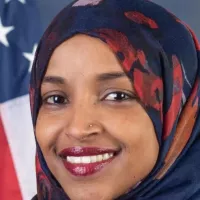
Ilhan Omar is a prominent American politician currently serving as...

Ken Paxton is an American politician and lawyer serving as...

Elon Musk is a visionary entrepreneur and engineer known for...

Michael Joseph Jackson the King of Pop was a highly...

Cristiano Ronaldo widely considered one of the greatest footballers captains...

Elizabeth Holmes is an American entrepreneur and the founder of...