


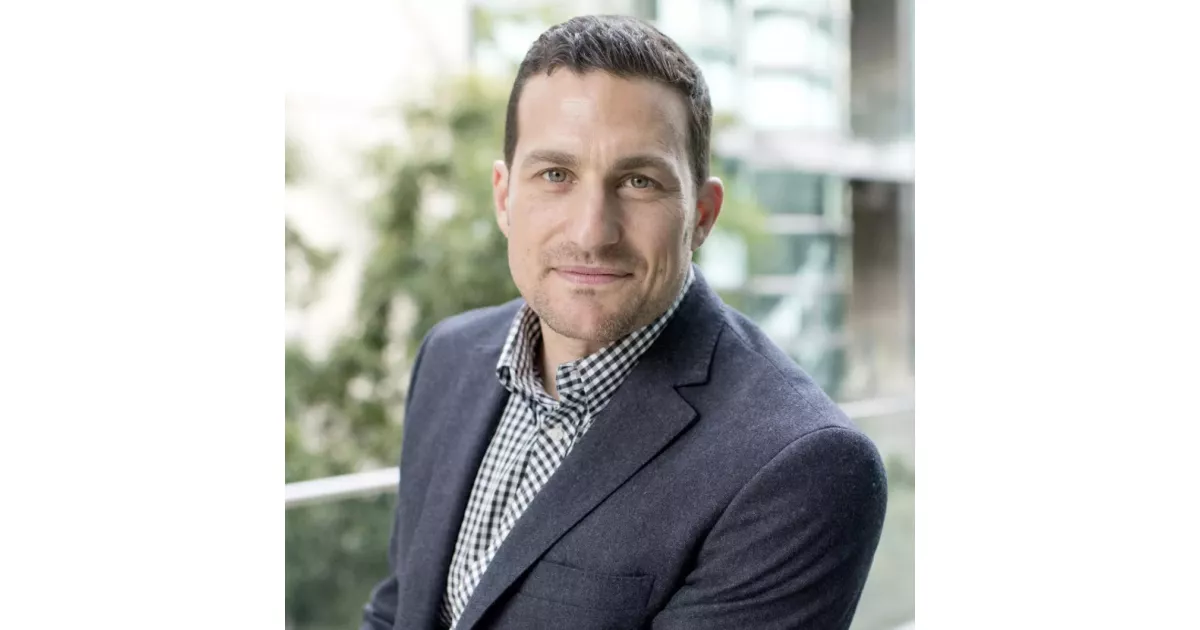
Andrew David Huberman is an American neuroscientist and professor at Stanford University School of Medicine. He is known for hosting the popular Huberman Lab podcast, where he discusses topics related to neuroscience, health, and wellness. Despite its popularity, the podcast has faced criticism for promoting health claims that lack scientific evidence. Huberman has also been involved in partnerships with health supplement companies, which has further fueled the controversy surrounding his work.
September 26, 1975: Birth of Andrew Huberman
Andrew David Huberman was born on September 26, 1975 at Stanford Hospital in Palo Alto, California.


1975: Early Life and Family Background
Born in 1975, Andrew Huberman is the son of an Argentine physicist and Stanford professor and a children's book author. He was active in athletics during his childhood, including soccer and swimming.
1998: Bachelor's Degree in Psychology
Andrew Huberman received his B.A. in psychology from the University of California, Santa Barbara in 1998.
2000: Master's Degree in Psychology
Huberman obtained his M.A. in psychology from the University of California, Berkeley in 2000.
2004: PhD in Neuroscience
Andrew Huberman earned his Ph.D. in neuroscience from UC Davis in 2004.
2005: Allan G. Marr Prize
In 2005, Huberman received the Allan G. Marr Prize for Best Ph.D. Dissertation for his work.
2006: Postdoctoral Fellowship at Stanford University
Andrew Huberman began his postdoctoral training in neuroscience at Stanford University under Ben Barres in 2006.
2009: Helen Hay Whitney Postdoctoral Fellowship
From 2006 to 2009, Huberman held the Helen Hay Whitney Postdoctoral Fellowship.
2011: Assistant Professor at UC San Diego
Huberman became an assistant professor of neurobiology and neuroscience at the University of California, San Diego in 2011.
2011: Completion of Postdoctoral Training
Huberman concluded his postdoctoral training in neuroscience at Stanford University in 2011.
2015: End of Tenure at UC San Diego
Huberman's tenure as assistant professor at UC San Diego concluded in 2015.
2016: Faculty Position at Stanford University
Andrew Huberman joined the faculty at Stanford University in 2016.
2016: Establishment of Huberman Lab at Stanford University
Huberman established the Huberman Lab at the University of California, San Diego, focusing on biological sciences and later transferred it to Stanford University in 2016.
2016: Research on Retinal Neuron Regrowth and Anxiety Interventions
In 2016, Huberman's lab gained recognition for its use of virtual reality (VR) to stimulate retinal neuron regrowth and its research on non-pharmacological interventions for anxiety disorders.
2019: Introduction to Robert Mohr
Andrew Huberman was introduced to Robert Mohr, a health and fitness publicist, in 2019.
2020: Podcast Appearances and Growing Social Media Following
During the COVID-19 pandemic in 2020, Huberman made appearances on major podcasts, leading to an increase in his social media following.
2021: Launch of Huberman Lab Podcast and Scicomm Media
Huberman launched the Huberman Lab podcast and co-founded Scicomm Media with Robert Mohr in 2021.
2023: Huberman Lab Podcast Popularity
By 2023, the Huberman Lab podcast achieved significant popularity, becoming one of the most listened-to podcasts in the US and internationally.
2023: Controversial Views and Skepticism
In 2023, Huberman faced criticism for promoting controversial views on sunscreen, fluoridation, and flu vaccination, despite scientific evidence supporting their effectiveness.
2023: Research on Stress Mitigation, Cortisol, and Visual System Regeneration
In 2023, Huberman's lab collaborated with David Spiegel on a research paper on stress mitigation and conducted research on cortisol. Additionally, the lab published a study on the regeneration of the visual system.
2024: Scaling Back of Huberman Lab
In 2024, reports emerged about the significant scaling back of Huberman's lab at Stanford during the COVID-19 pandemic, although a spokesperson maintained that the lab remained operational.
Mentioned in this timeline
California is a U S state on the Pacific Coast...

Books are a means of storing information as text or...

September is the ninth month of the year in the...
Trending

3 hours ago Ike Barinholtz Coined New Name for Diarrhea Outbreak Linked to Donald Trump
4 hours ago Jurassic Park Actor Sam Neill Dies From Pneumonia

4 hours ago Woman Discovers Animals Trapped Behind Walls During Recent Dog Welfare Check
4 hours ago Killing Eve Added to Netflix Streaming Roster Amid Critical Acclaim
4 hours ago Elissa Slotkin Claims SAVE America Act Impacts Democrat Election Chances
5 hours ago Baker Mayfield Linked to Arizona Cardinals in Potential NFL Deadline Blockbuster Trade Move
Popular
Lindsey Graham is a prominent American politician serving as the...

Cristiano Ronaldo widely considered one of the greatest footballers captains...
Mitch McConnell is a prominent American politician and the longest-serving...

Elon Musk is a visionary entrepreneur and engineer known for...

Candace Owens is an American conservative political commentator author and...

Bernie Sanders is a prominent American politician and the senior...