Childhood and Education Journey of Jack Johnson in Timeline


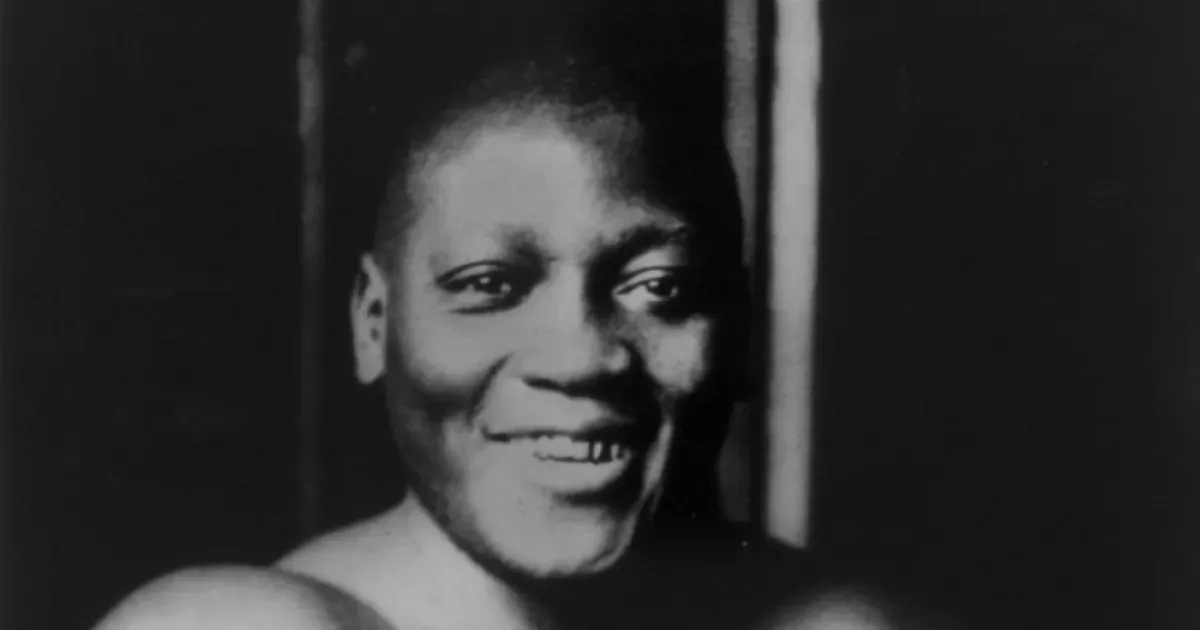
An overview of the childhood and early education of Jack Johnson, highlighting the experiences that shaped the journey.
Jack Johnson, nicknamed the "Galveston Giant", was an American boxer and the first African American world heavyweight boxing champion (1908–1915) during the Jim Crow era. His victory over James J. Jeffries in 1910, a fight dubbed the "fight of the century", triggered race riots across the U.S. Johnson was a prominent and controversial figure, considered by Ken Burns as "the most famous and the most notorious African American on Earth" for over a decade. He is remembered as one of boxing's most influential figures.
1911: Attempted to become a Freemason
In 1911, Johnson attempted to become a Freemason in Dundee, Scotland, and was initiated as an Entered Apprentice. However, his admission was ruled illegal, and the Forfarshire Lodge was suspended.


July 1912: Opened Café de Champion
In July 1912, Johnson opened an interracial nightclub in Chicago called Café de Champion.
1912: Suicide of Etta Duryea Johnson
In 1912, Jack Johnson's first wife, Etta Duryea Johnson, committed suicide.
1912: Opens "Black and Tan" Restaurant and Nightclub
In 1912, Johnson opened a successful and luxurious "black and tan" restaurant and nightclub in Chicago, which was partly run by his wife. He was later arrested on charges of violating the Mann Act.
1913: Conviction
In 1913 Jack Johnson faced a racially motivated felony conviction, for which Mike Tyson, Harry Reid, and John McCain supported a Change.org petition asking President Obama to posthumously pardon him.
July 20, 1920: Returned to the U.S.
On July 20, 1920, Johnson returned to the U.S. after living in exile and surrendered to federal agents at the Mexican border.
September 1920: Sent to Leavenworth Penitentiary
In September 1920, Johnson was sent to the United States Penitentiary, Leavenworth, to serve his sentence.
1920: Opened Club Deluxe
In 1920, Johnson opened the Club Deluxe, a Black and Tan night club in Harlem.
1920: Serves Prison Sentence
In 1920, after fleeing the country for seven years and fighting boxing matches abroad, Johnson served his sentence at the federal penitentiary at Leavenworth.
July 9, 1921: Released from Leavenworth Penitentiary
On July 9, 1921, Johnson was released from the United States Penitentiary, Leavenworth.
1927: Autobiography Published
In 1927, Johnson mentioned in his autobiography that he did not engage in fights before the age of 12.
1943: Professed faith to Christ
In 1943, Johnson attended a service at the Angelus Temple in Los Angeles and professed his faith to Christ, during a service led by evangelist Aimee Semple McPherson.
Mentioned in this timeline

Donald John Trump is an American politician media personality and...

Barack Obama the th U S President - was the...

George W Bush the rd U S President - is...

Mike Tyson nicknamed 'Iron Mike ' is a legendary heavyweight...

Sylvester Stallone is an iconic American actor screenwriter and filmmaker...
The United States of America is a federal republic primarily...
Trending
3 hours ago Tennis Prediction Markets for Upcoming Professional Matches
4 hours ago Multiple Earthquakes Reported Across California Regions

23 hours ago New Netflix Docuseries Explores Life and Legacy of Matthew Perry
5 hours ago Leylah Fernandez Secures New Position in Updated WTA World Rankings

5 hours ago Katie Volynets Set For WTA Guangzhou Clash Against Dayana Yastremska

4 hours ago Zeynep Sönmez Featured in Tennis Prediction Markets
Popular

Ilhan Omar is a prominent American politician currently serving as...

Ken Paxton is an American politician and lawyer serving as...

Elon Musk is a visionary entrepreneur and engineer known for...

William Franklin Graham III known as Franklin Graham is an...
Barack Obama the th U S President - was the...

Kathy Hochul is an American politician and lawyer who has...