Major Controversies Surrounding Susan Rice: A Detailed Timeline


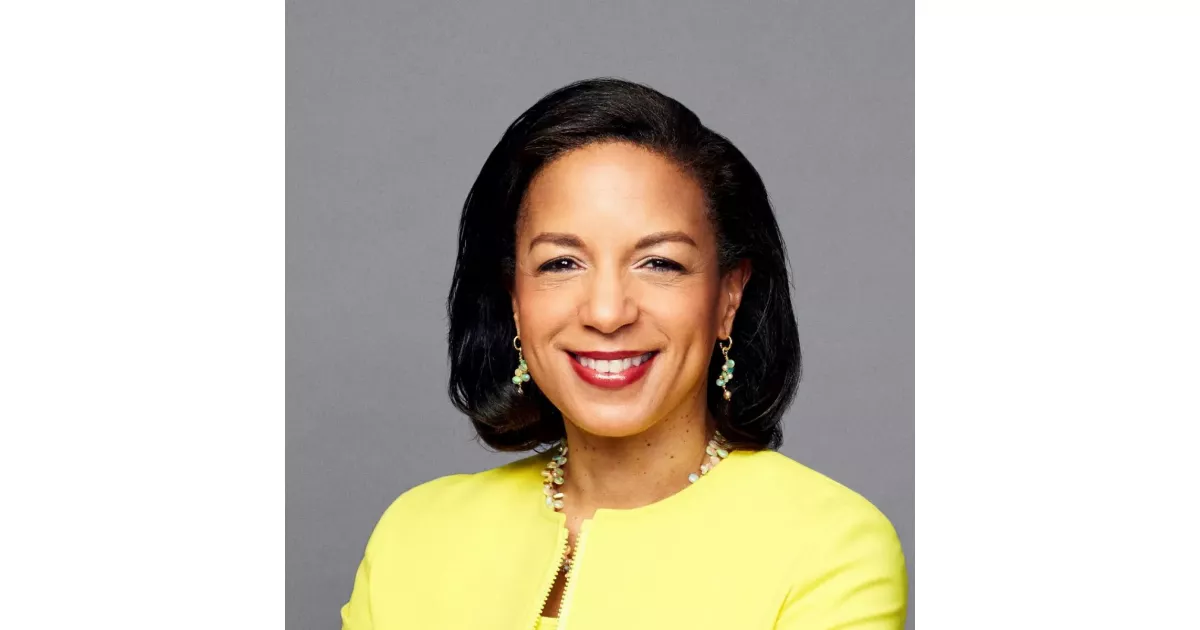
A closer look at the most debated and controversial moments involving Susan Rice.
Susan Rice is an American diplomat and public official, prominent within the Democratic Party. She served as the Director of the United States Domestic Policy Council (2021-2023), U.S. Ambassador to the United Nations (2009-2013), and U.S. National Security Advisor (2013-2017). Her career reflects a deep involvement in U.S. foreign and domestic policy under Democratic administrations.
1994: Rwandan Genocide
In 1994, during the Rwandan genocide, Rice's reported concerns about the political impact of using the term 'genocide' influenced her later views on military interventions.


1996: Alleged Statement on Mobutu Sese Seko
In 1996, during the Rwandan, Ugandan, AFDL and Angolan invasion of Zaire, Susan Rice is alleged to have said that 'Anything's better than Mobutu,' referring to dictator Mobutu Sese Seko.
1997: Allegations Regarding Sudan Intelligence Offer
In 1997, it was alleged that Susan Rice successfully lobbied for continuing to bar U.S. officials from engaging with the Khartoum government regarding intelligence on Osama bin Laden, but these allegations were later found to be unfounded by the Joint Congressional Inquiry into 9/11 and the 9/11 Commission.
2002: Op-Ed by Timothy M. Carney
In 2002, Timothy M. Carney co-authored an op-ed alleging that in 1997, Susan Rice lobbied against engaging with the Khartoum government regarding intelligence on Osama bin Laden. These allegations were later found to be unfounded.
April 2011: Criticism of Gaddafi and Allegations of Atrocities
In April 2011, Susan Rice criticized Muammar Gaddafi's denials of atrocities as "frankly, delusional" during the Libyan Civil War. In a closed-door Security Council meeting in April 2011, Rice reportedly stated that Gaddafi loyalists engaged in atrocities, including sexual violence, and that Gaddafi's troops had been issued Viagra. These claims were later contradicted by investigations from various organizations.
September 11, 2012: Benghazi Attack and Subsequent Interviews
On September 11, 2012, a U.S. diplomatic facility and CIA annex in Benghazi, Libya, was attacked. In the aftermath, on September 16, Susan Rice appeared on five major interview shows to discuss the attacks using talking points from a CIA memo.
2012: Negotiating Style Criticisms
In 2012, Susan Rice faced criticisms regarding her negotiating style, with some diplomats calling it 'rude' and overly blunt. Some human rights activists also took issue with Rice and U.S. foreign policy for working against UN statements criticizing Rwanda.
December 2016: Visit to the United States by UAE crown prince Mohammed bin Zayed Al Nahyan
In December 2016, United Arab Emirates crown prince Mohammed bin Zayed Al Nahyan visited the United States. During the visit, al-Nahyan met with Trump campaign advisors Steve Bannon, Michael Flynn, and Jared Kushner at Trump Tower in New York.
2016: Period of investigation into unmasking requests
During the 2016 election period and the ensuing presidential transition, as investigated by John Bash, no evidence was found of improper unmasking requests.
April 3, 2017: Report on Request to Unmask Trump Officials
On April 3, 2017, it was reported that as National Security Advisor, Susan Rice had requested the unmasking of some Americans mentioned in intelligence reports related to Donald Trump's campaign and presidential transition. Rice stated she requested the identities to provide context to the intelligence reports, not for political purposes.
September 2017: Testimony to House Intelligence Committee
In September 2017, Susan Rice testified to the House Intelligence Committee that she requested the unmasking due to a redacted intelligence report about an undisclosed visit to the United States by UAE crown prince Mohammed bin Zayed Al Nahyan in December 2016, during which he met with Trump campaign advisors at Trump Tower. Her testimony appeared to alleviate Republican concerns.
May 2020: Barr appoints Bash to examine unmasking
In May 2020, Attorney General Bill Barr appointed federal prosecutor John Bash to examine unmasking conducted by the Obama administration.
June 2020: Rice criticizes Israeli proposals
In June 2020, Rice criticized Israeli proposals to annex parts of the West Bank and Jordan Valley, arguing it would undermine bipartisan support for Israel in the U.S.
October 2020: Inquiry into unmasking concludes
In October 2020, the inquiry led by John Bash into unmasking during the Obama administration concluded with no findings of substantive wrongdoing.
May 2022: Release of Bash's report
In May 2022, Bash's 52-page report regarding the unmasking inquiry during the Obama administration was released, previously classified top secret. The report found no evidence of improper unmasking requests during the 2016 election period or the presidential transition.
April 2023: Rice possibly negligent in migrant child labor crisis response
In April 2023, journalist Hannah Dreier suggested in a New York Times article that Rice was among the leading White House officials who may have been negligent in response to the uncovered migrant child labor crisis.
Mentioned in this timeline
Donald John Trump is an American politician media personality and...
Barack Obama the th U S President - was the...
Hillary Diane Rodham Clinton is a prominent American politician lawyer...
Joe Biden served as the th President of the United...

Benjamin Netanyahu is a prominent Israeli politician who has served...
Kamala Harris is an American politician and attorney She served...
Trending
4 hours ago Harrison Ford Transforms Jackson Hole Ranch Into Dedicated Wildlife Sanctuary
4 hours ago Danny Trejo Addresses Backlash Over Daily Wire ICE Movie Casting

8 days ago Muchova and Osaka Clash in High-Stakes WTA Beijing Fourth Round Matchup
5 hours ago Fed Official John Williams Debates Potential Interest Rate Adjustments for 2027
5 hours ago Apple Prepares to Debut New iPad Mini and Touchscreen MacBook in Late October
5 hours ago Caty McNally Stages Comeback Win Over Yuliia Starodubtseva at WTA Wuhan Open
Popular

Ken Paxton is an American politician and lawyer serving as...
Ilhan Omar is a prominent American politician currently serving as...

Jameis Winston is an American football quarterback currently playing for...

Cristiano Ronaldo widely considered one of the greatest footballers captains...

Michael Joseph Jackson the King of Pop was a highly...

Kimberly Guilfoyle is an American television personality and former prosecutor...