Most Talked-About Controversies Linked to Chuck Grassley


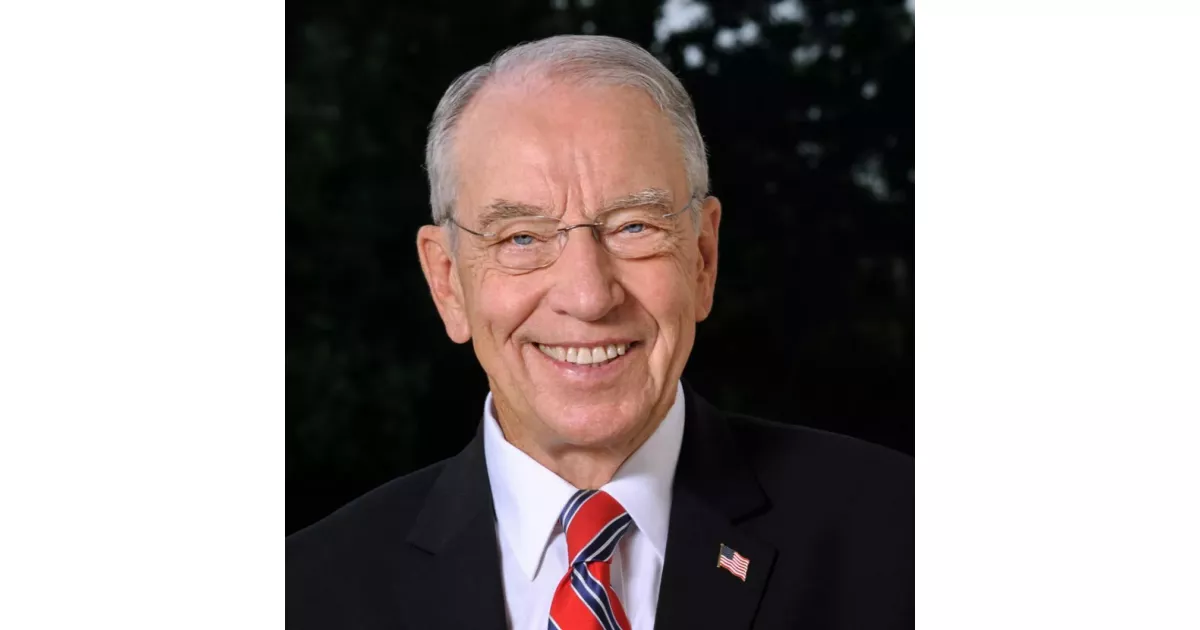
A closer look at the most debated and controversial moments involving Chuck Grassley.
Chuck Grassley is a prominent American politician serving as a long-term U.S. Senator from Iowa, representing the Republican Party. First elected to the Senate in 1980, he has become one of the longest-serving members in history. Throughout his career, Grassley has wielded significant influence as the chair or ranking member of powerful committees, most notably the Senate Judiciary Committee and the Senate Finance Committee. He is recognized for his focus on government oversight, agricultural issues, and judicial appointments. Known for his disciplined work ethic, frequent visits to all 99 of Iowa's counties, and a consistent conservative voting record, Grassley remains a central figure in American legislative affairs. His career reflects a sustained commitment to federal transparency, fiscal responsibility, and representing the interests of his rural constituents, establishing him as a fixture in Washington D.C. politics for over four decades.
October 1983: Vote Against Martin Luther King Jr. Holiday
In October 1983, Senator Chuck Grassley cast a vote against the legislation intended to establish a federal holiday in honor of Martin Luther King Jr.'s birthday.


November 1, 1984: Contempt of Congress Citation Against William French Smith
On November 1, 1984, Senator Chuck Grassley signed a formal citation of contempt of Congress against U.S. Attorney General William French Smith. This action stemmed from Smith's refusal to provide investigative files regarding Navy shipbuilding. The move sparked criticism from Assistant Attorney General Stephen S. Trott, who argued that Grassley lacked the proper authorization to issue the citation outside of a formal Judiciary panel session.
May 1987: Defeat of Corn Subsidy Acceleration Proposal
In May 1987, the Senate Appropriations Committee rejected a proposal introduced by Senator Chuck Grassley that sought to accelerate the distribution of corn and feed grain subsidies. The measure also aimed to expose and dismantle a budget accounting technique used by lawmakers to artificially reduce perceived spending for the upcoming fiscal year.
October 1987: Criticism of Reagan Administration regarding Bork Nomination
In October 1987, Chuck Grassley publicly criticized the Reagan administration, accusing the President of being asleep at the switch regarding Robert Bork's Supreme Court nomination and suggesting the administration's past successes were primarily due to luck.
October 1987: Comparison of Anti-Bork Lobbying to McCarthyism
Later in October 1987, Chuck Grassley compared the lobbying efforts directed against Robert Bork's Supreme Court nomination to the McCarthyism of the 1950s, arguing that these groups were utilizing the big lie technique to manipulate public opinion.
January 1989: Opposition to Senate Pay Increase
In January 1989, Senator Chuck Grassley questioned how the Senate could justify rejecting federal program increases while simultaneously moving forward with a proposed pay raise for its members.
January 1991: Opposition to Gulf War Intervention
In January 1991, Chuck Grassley joined Mark Hatfield as one of only two Republican senators to vote against the resolution authorizing military action to remove Iraqi forces from Kuwait.
February 12, 1999: Vote to Convict President Clinton
On February 12, 1999, Chuck Grassley was among the 50 senators who voted in favor of convicting and removing President Bill Clinton from office during his impeachment trial.
2000: FBI Internal Misconduct Report Compilation
In 2000, the FBI compiled an internal report documenting 107 instances of serious or criminal misconduct committed by its agents over a preceding 16-year period.
August 2002: Grassley Investigates United Way Financial Oversight
In August 2002, Senator Chuck Grassley initiated an oversight inquiry by sending formal letters to the leadership of the United Way. He demanded that Brian Gallagher, CEO of the United Way of America, explain how the national organization monitored the finances and management of its local affiliates. Simultaneously, Grassley contacted Norman O. Taylor of the United Way of the National Capital Area to address serious allegations concerning the potential misappropriation of funds and the deliberate withholding of critical information from the board of directors.
February 2004: Grassley Releases FBI Misconduct Report
In February 2004, Chuck Grassley publicly released a 2000 FBI report detailing numerous cases of agent misconduct, including rape and narcotics violations, questioning the bureau's disciplinary rigor.
July 2007: Release of Report on Federal Farm Subsidies
In July 2007, a report commissioned by Senator Chuck Grassley was made public, revealing that over $1 billion in federal farm subsidies had been inappropriately distributed to individuals who were deceased.
2015: Explanation of 1983 Voting Record
In 2015, a staff member for Grassley provided an explanation for the 1983 vote, stating that it was based on fiscal concerns regarding lost economic productivity and the cost to taxpayers associated with federal government closures.
Mentioned in this timeline
Donald John Trump is an American politician media personality and...
Lindsey Graham is a prominent American politician serving as the...
Bill Clinton served as the nd U S President from...
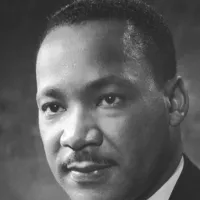
Martin Luther King Jr was a pivotal leader in the...
Mitch McConnell is a prominent American politician and the longest-serving...

Ukraine is a country in Eastern Europe the second-largest on...
Trending
4 hours ago Murdoch Family Navigates Dynamic Media Landscape and Strategic Business Transitions

4 hours ago Mikey Madison Discusses Future Projects and Reflects on Recent Career Success

4 hours ago Senator Eric Schmitt Faces Criticism Following Viral Gaffe During Jack Smith Hearing
4 hours ago Arthur Fery Faces Marin Cilic in ATP Shanghai Masters Clash

5 hours ago Congressional Panel Flags Webull China Ties as National Security Risk

6 hours ago Ainsley Earhardt Discusses Finding Professional Ambition and Personal Contentment on FOX & Friends
Popular

Ken Paxton is an American politician and lawyer serving as...

Elon Musk is a visionary entrepreneur and engineer known for...

Cristiano Ronaldo widely considered one of the greatest footballers captains...

Shakira Isabel Mebarak Ripoll the Queen of Latin Music is...

Jameis Winston is an American football quarterback currently playing for...
Bernie Sanders is a prominent American politician and the senior...