Childhood and Education Journey of Claude Monet in Timeline


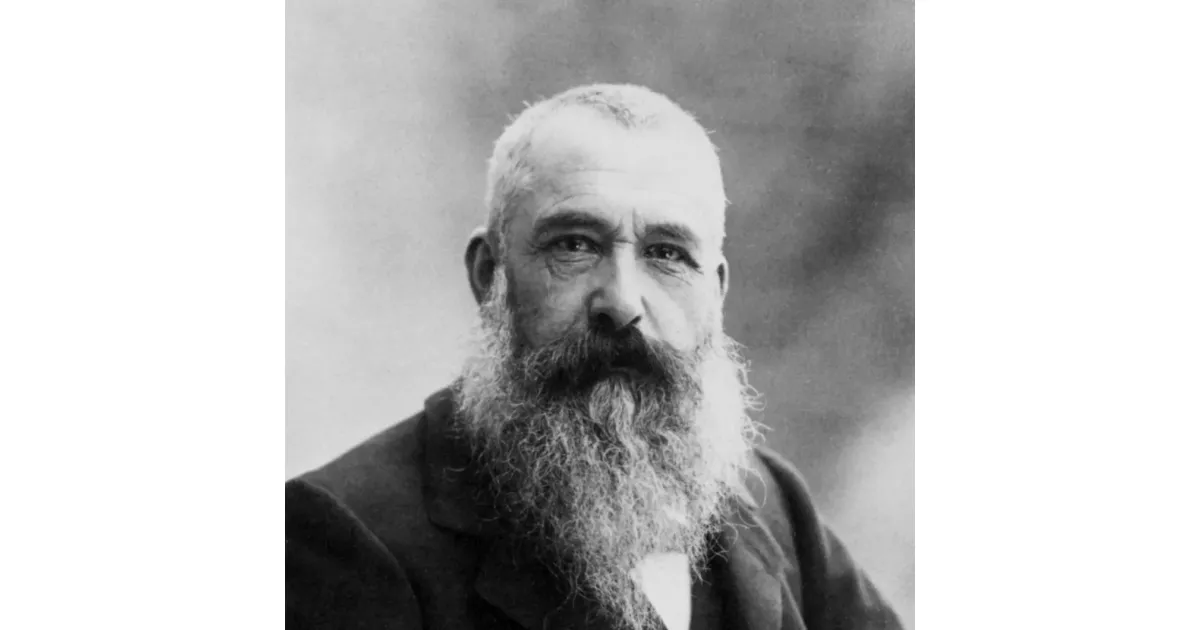
An overview of the childhood and early education of Claude Monet, highlighting the experiences that shaped the journey.
Claude Monet (1840-1926) was a pivotal French painter and a founder of Impressionism, significantly influencing modern art. He dedicated his career to capturing his subjective perceptions of nature, particularly through plein air landscape painting. His painting, *Impression, Sunrise*, lent its name to the Impressionist movement after being exhibited at the First Impressionist Exhibition in 1874, an event organized by Monet and other artists seeking an alternative to the traditional Salon.
March 1900: Return to London Hotel
In March 1900, Monet returned to the same London hotel to paint.


1900: Army conscription account
In 1900, Monet claimed that in 1861, his family required him to renounce his artistic career and take over the family business in return for paying the cost of a substitute for army conscription.
March 1901: London Hotel Stay
Monet stayed in a London hotel from January to March 1901, painting Waterloo Bridge, Charing Cross Bridge and the Houses of Parliament. His visit ended due to pleurisy, and he had to spend three weeks in his hotel room.
1901: Enlargement of pond at Giverny
In 1901, Claude Monet expanded the pond on his property by purchasing a meadow situated across the Ru, a local stream. Following this acquisition, he divided his time between working outdoors in nature and working inside his studio.
1902: Expansion of Water Garden
In 1902, Monet expanded the size of his water garden by nearly 4000 square metres.
December 1908: Sale of Venice paintings
In December 1908, on the way home from Venice, Monet and his wife broke their journey for a four-day stay with Renoir at Cagnes. Once back in Giverny and while not finished Monet sold all of his Venice paintings on 12 December 1908 to the Bernheim-Jeune brothers for 12,000 francs each.
1908: Stay at the Palazzo Barbaro in Venice
In the autumn of 1908, Monet and his wife Alice accepted Mary Hunter's offer to stay with her in the Palazzo Barbaro in Venice.
1910: Pond Enlargement
In 1910, Monet enlarged the pond in his garden and had easels installed all around it.
1911: Death of Alice Monet
In 1911, Monet's second wife, Alice, passed away.
1914: Death of Jean Monet and Studio Plans
In 1914, Monet's oldest son, Jean, died. During this time, Monet began to develop the first signs of possible cataracts. Encouraged by Clemenceau, Monet made plans to construct a new, large studio that he could use to create a "decorative cycle of paintings devoted to the water garden".
1923: Cataract Surgery
In 1923, Monet underwent cataract surgery, but experienced persistent cyanopsia and struggled with aphakic spectacles.
Mentioned in this timeline

Google LLC is a multinational technology corporation specializing in a...

Germany officially the Federal Republic of Germany is located in...
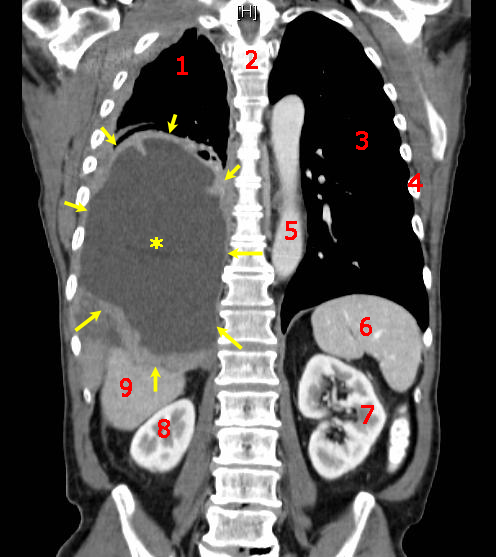
Cancer encompasses over diseases characterized by uncontrolled cell growth leading...
France officially the French Republic is primarily in Western Europe...
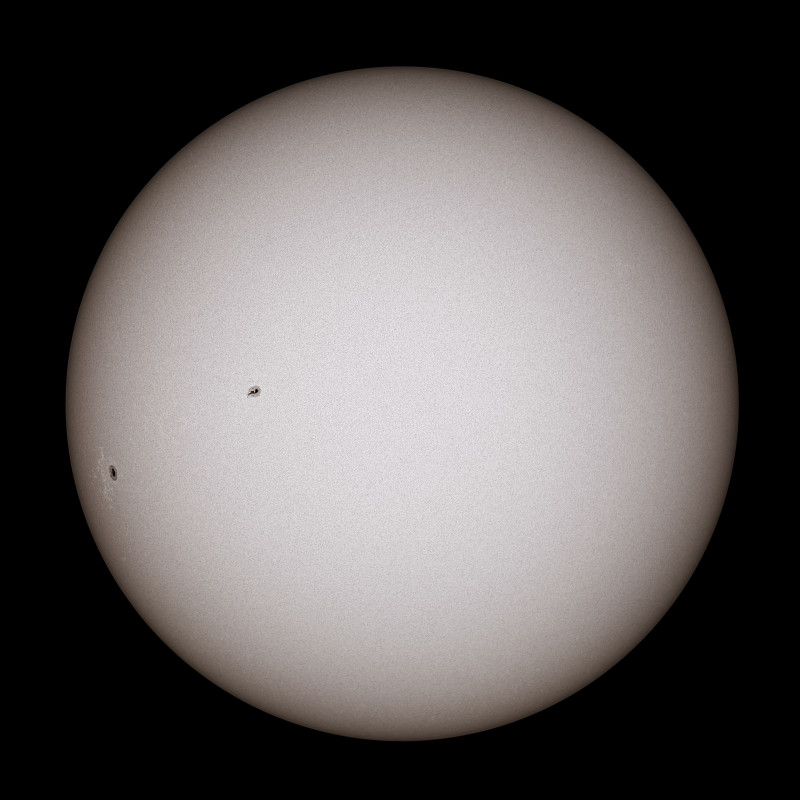
The Sun the star at the center of our Solar...

The Google logo has evolved over time to represent the...
Trending
4 hours ago Nathaniel Lowe Discusses Reds Strategy as ALCS Game Six Approaches
4 hours ago Helen Mirren Stars as Patricia Highsmith in Anton Corbijn’s New Thriller A Talent for Murder

4 hours ago Angel Reese Shines at WNBA Finals Appearance
4 hours ago Chris Berman Discusses Impact of Damar Hamlin Injury on NFL Season Expansion Plans

4 hours ago La Catalina Makes Appearance During AAA on FOX Wrestling Event
4 hours ago Jaden McDaniels Agrees to One-Year Contract Extension With Minnesota Timberwolves
Popular

Ilhan Omar is a prominent American politician currently serving as...

Ken Paxton is an American politician and lawyer serving as...

Elon Musk is a visionary entrepreneur and engineer known for...

Michael Joseph Jackson the King of Pop was a highly...

Cristiano Ronaldo widely considered one of the greatest footballers captains...

MrBeast the professional name of Jimmy Donaldson is the most-subscribed...