


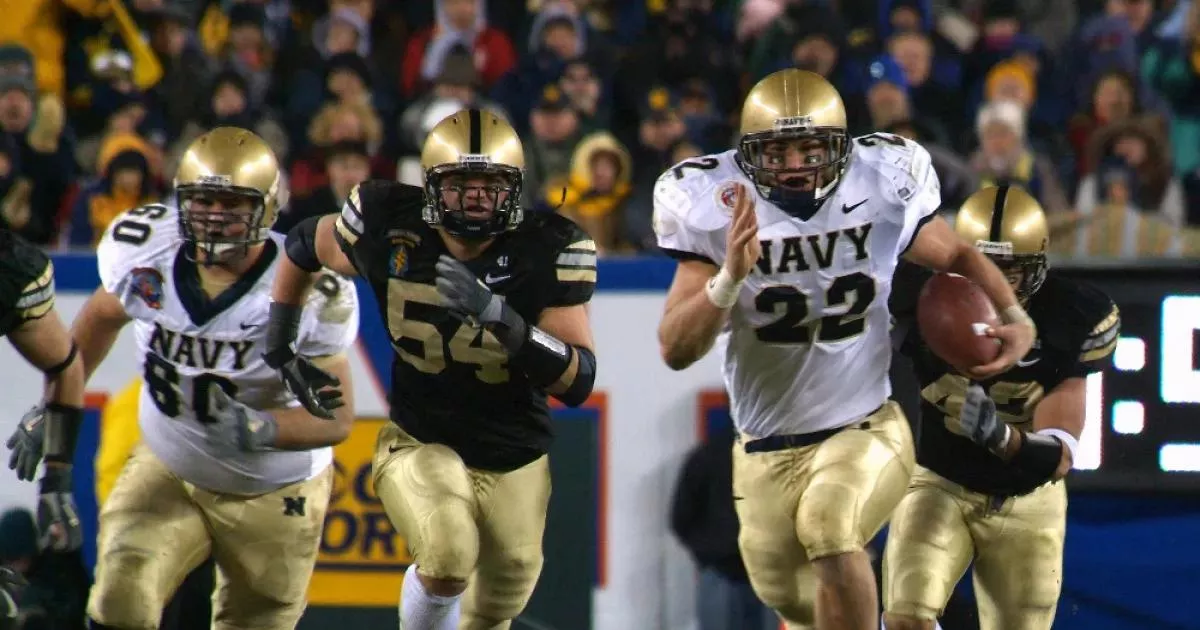
College football is a popular amateur sport in the United States played by student-athletes at universities and colleges. Collegiate competition is how gridiron football initially rose to prominence in the United States. It is a significant part of American sports culture, with a long history and passionate fan base.
2 days ago : USC Unveils State-of-the-Art Bloom Football Performance Center
USC officially opens the Bloom Football Performance Center, a landmark training facility designed to elevate the football program's capabilities and usher in a new era of excellence for the Trojans.


May 1900: Yost is hired as the football coach at Stanford University
In May 1900, Yost was hired as the football coach at Stanford University.
August 21, 1900: Yost arrives at Stanford University
On August 21, 1900, Yost arrived in Palo Alto, California to become the football coach at Stanford University.
December 4, 1900: Death toll rises from Thanksgiving Day Disaster
On December 4, 1900, the last victim of the disaster (Fred Lilly) died, bringing the death toll to 22; and, to this day, the "Thanksgiving Day Disaster" remains the deadliest accident to kill spectators at a U.S. sporting event.
November 22, 1901: First intercollegiate game played in Florida
On November 22, 1901, the first intercollegiate game between official varsity teams was played in Florida. Stetson beat Florida Agricultural College at Lake City, one of the four forerunners of the University of Florida, 6–0, in a game played as part of the Jacksonville Fair.
1901: Yost coaches Stanford
In 1901, Yost was hired by Charles A. Baird as the head football coach for the Michigan Wolverines football team.
1901: Michigan becomes a "western" national power
In 1901, led by coach Fielding H. Yost, Michigan became the first "western" national power in college football.
January 1, 1902: Yost's Michigan Wolverines play in inaugural Rose Bowl
On January 1, 1902, Yost's dominating 1901 Michigan Wolverines football team agreed to play a 3–1–2 team from Stanford University in the inaugural "Tournament East-West football game" what is now known as the Rose Bowl Game by a score of 49–0 after Stanford captain Ralph Fisher requested to quit with eight minutes remaining.
September 27, 1902: Georgetown beats Navy
On September 27, 1902, Georgetown beat Navy 4 to 0. Georgetown authorities claim this game featured the first ever "roving center" or linebacker when Percy Given stood up.
1902: Michigan plays in the first college football bowl game
In 1902, Michigan played in the first college football bowl game, which later became the Rose Bowl Game.
1903: Pop Warner uses hidden ball trick at Carlisle
In 1903, Pop Warner used a hidden ball trick at Carlisle against Harvard, garnering national attention.
1903: SIAA championship game ends in a tie
On Thanksgiving Day in 1903, a game was scheduled in Montgomery, Alabama between the best teams from each region of the Southern Intercollegiate Athletic Association for an "SIAA championship game", pitting Cumberland against Heisman's Clemson. The game ended in an 11–11 tie, causing many teams to claim the title.
1904: Big coaching hires in the south
The year 1904 saw big coaching hires in the south: Mike Donahue at Auburn, John Heisman at Georgia Tech, and Dan McGugin at Vanderbilt were all hired that year.
October 9, 1905: Roosevelt meets with football representatives
On October 9, 1905, President Theodore Roosevelt held a meeting of football representatives from Harvard, Yale, and Princeton to discuss eliminating and reducing injuries in the sport.
November 11, 1905: First game at Stanford Field
The Big Game between Stanford and Cal on November 11, 1905, was the first played at Stanford Field, with Stanford winning 12–5.
December 28, 1905: Schools meet to discuss rule changes
On December 28, 1905, 62 schools met in New York City to discuss rule changes to make college football safer.
1905: Reforms to address violence in college football
As a result of the 1905 reforms, mass formation plays became illegal and forward passes legal.
1905: College football becomes increasingly violent
By 1905, college football had become increasingly violent, with 330 college athletes dying between 1890 and 1905 as a direct result of injuries sustained on the football field.
1905: First Scouting in the South
In 1905, Dan McGugin and Captain Innis Brown of Vanderbilt scouted Sewanee play Georgia Tech in Atlanta, marking some of the earliest known scouting in the South.
1905: End of Michigan's undefeated streak
In 1905, Michigan's 56-game undefeated streak ended, marking the end of the "Point-a-Minute" years.
September 5, 1906: First legal forward pass thrown
On September 5, 1906, Bradbury Robinson, playing for Saint Louis University, threw the first legal pass in a game against Carroll College at Waukesha.
1906: Davidson Throws First Legal Forward Pass in the South
In 1906, Fuzzy Woodruff claims Davidson was the first in the south to throw a legal forward pass.
1906: IAAUS is formed to create football rules
In 1906, President Roosevelt organized a meeting among thirteen school leaders at the White House to find solutions to make the sport safer for the athletes. Because the college officials could not agree upon a change in rules, it was decided over the course of several subsequent meetings that an external governing body should be responsible.
1906: Vanderbilt Defeats Carlisle
In 1906, Vanderbilt defeated Carlisle 4-0, with the score resulting from a Bob Blake field goal.
1906: West Coast universities replace football with rugby
In 1906, citing concerns about violence in American Football, universities on the West Coast, led by California and Stanford, replaced the sport with rugby union.
1907: Vanderbilt Ties Navy
In 1907, Vanderbilt and Navy played to a 6-6 tie.
1909: Rocky Mountain Athletic Conference is founded
In 1909, the Rocky Mountain Athletic Conference was founded, featuring four members: Colorado, Colorado College, Colorado School of Mines, and Colorado Agricultural College.
1909: Field Goal Points Lowered
In 1909, the scoring for field goals in college football was lowered to three points, affecting the strategy of the game.
1910: Vanderbilt Holds Yale to a Tie
In 1910, Vanderbilt held the defending national champion Yale to a scoreless tie.
1910: Additional rule changes adopted
In 1910, rules were formally adopted requiring at least seven offensive players on the line of scrimmage, prohibiting pushing or pulling, and banning interlocking interference, reducing collision injuries.
1910: IAAUS becomes NCAA
In 1910, the Intercollegiate Athletic Association of the United States (IAAUS) changed its name to the National Collegiate Athletic Association (NCAA).
1910: University of Denver and University of Utah join RMAC
In 1910, the University of Denver and the University of Utah joined the Rocky Mountain Athletic Conference (RMAC).
November 25, 1911: First Homecoming Football Game
On November 25, 1911, Kansas played at Missouri in what is considered the first homecoming football game. The game was broadcast play-by-play over telegraph to fans in Lawrence, Kansas, and ended in a 3-3 tie.
1911: USC switches to rugby union
In 1911, USC switched to rugby union along with other West Coast schools.
1912: Touchdown Points Raised
In 1912, the scoring for touchdowns in college football was raised to six points, influencing offensive strategies.
1913: Rockne Rose to Prominence
In 1913, Knute Rockne rose to prominence as an end for the University of Notre Dame. Rockne and quarterback Gus Dorais made innovative use of the forward pass to defeat Army 35-13 and helped establish the school as a national power.
1914: First Roughing-the-Passer Penalty Implemented
In 1914, the first roughing-the-passer penalty was implemented in college football, marking a significant step in protecting quarterbacks.
1915: California returns to American football
In 1915, California returned to American football due to rule changes, the desire of students and supporters, interest in playing East Coast and Midwest schools, and a patriotic desire to play an "American" game.
1915: Founding of the Southwest Athletic Conference
In 1915, the Southwest Athletic Conference was founded, primarily consisting of schools from Texas.
1915: Construction of the Yale Bowl
In 1915, the Yale Bowl was built and the name of the bowl led to the adoption of the term "bowl" for other similar stadiums.
October 7, 1916: Georgia Tech's Record-Breaking Victory Over Cumberland
On October 7, 1916, John Heisman's Georgia Tech Golden Tornado defeated Cumberland 222-0 at Grant Field, marking the most lopsided victory in college football history using the "jump shift" offense.
1916: Stanford plays rugby against Santa Clara
In 1916, Stanford played its "Big Game" as rugby union against Santa Clara.
1916: Rose Bowl Game Reinstated
In 1916, the Tournament of Roses decided to reattempt the postseason game, reinstating the Rose Bowl game on an annual basis.
1917: Rise of Centre College
1917 saw the rise of Centre College of Danville, Kentucky as a prominent team.
1917: Auburn Ties Ohio State
In 1917, Auburn tied undefeated Ohio State before Georgia Tech beat Auburn.
1917: Georgia Tech's First National Championship
In 1917, Georgia Tech became the first national champion from the South, led by a powerful backfield and featuring the first two players from the Deep South selected first-team All-American.
1917: Stanford plays rugby against Santa Clara
In 1917, Stanford played its "Big Game" as rugby union against Santa Clara.
1918: Rockne Returns to Coach Notre Dame
In 1918, Knute Rockne returned to coach the Notre Dame team, and devised the powerful Notre Dame Box offense, based on Warner's single wing.
1918: Rules on Eligible Receivers Loosened
In 1918, college football rules were loosened regarding eligible receivers, allowing them to catch the ball anywhere on the field. Previously, strict rules were in place allowing passes to only certain areas of the field.
1918: Stanford drops rugby for football due to WWI
In 1918, the Stanford campus was designated as the Students' Army Training Corps headquarters for all of California, Nevada, and Utah, and the commanding officer Sam M. Parker decreed that American football was the appropriate athletic activity to train soldiers and rugby union was dropped.
1919: Heisman Leaves Georgia Tech
In 1919, after Heisman left Georgia Tech, his shift offense was still employed by protégé William Alexander.
October 8, 1921: First Live Radio Broadcast of a College Football Game
On October 8, 1921, the game between West Virginia and Pittsburgh saw the first live radio broadcast of a college football game on KDKA. Harold W. Arlin announced that year's Backyard Brawl played at Forbes Field, with Pitt winning 21-13.
1921: Centre Upset Harvard
In 1921, Bo McMillin-led Centre upset defending national champion Harvard 6-0 in what is widely considered one of the greatest upsets in college football history.
October 28, 1922: First Nationally Broadcast College Football Game
On October 28, 1922, Princeton and Chicago played the first college football game to be nationally broadcast on radio. Princeton won 21-18.
1923: Construction of the Rose Bowl Stadium
In 1923, the Rose Bowl stadium was built in Pasadena, California. Its shape, resembling the Yale Bowl, led to the adoption of the term "bowl" for other similar games.
1924: The 1924 Notre Dame Team Featured the Four Horsemen Backfield
In 1924, Knute Rockne's Notre Dame team featured the Four Horsemen backfield, marking a significant moment in the team's history.
1925: Alabama Wins Rose Bowl
In 1925, Wallace Wade coached Alabama to the South's first Rose Bowl victory, a game commonly referred to as 'the game that changed the south'.
1926: Alabama Wins Rose Bowl
Wallace Wade's 1925 Alabama team won the 1926 Rose Bowl after receiving its first national title.
1927: Georgia's "Dream and Wonder Team" Defeats Yale
In 1927, Georgia's "dream and wonder team" defeated Yale for the first time.
1927: Publication of 'Football for Coaches and Players' by Glenn "Pop" Warner
In 1927, Glenn "Pop" Warner, a famous football coach, published one of the first important books on football strategy, titled "Football for Coaches and Players".
1927: Rule Change Due to Rockne's Complex Shifts
In 1927, Knute Rockne's complex shifts led to a rule change mandating all offensive players stop for a full second before the ball could be snapped.
1928: Georgia Tech Wins 1929 Rose Bowl
William Alexander's 1928 Georgia Tech team defeated California in the 1929 Rose Bowl.
October 12, 1929: Yale Lost to Georgia in Sanford Stadium
On October 12, 1929, Yale lost to Georgia in Sanford Stadium in its first trip to the south.
1929: Georgia Tech Wins Rose Bowl
William Alexander's 1928 Georgia Tech team defeated California in the 1929 Rose Bowl.
1930: Alabama Wins National Championship and Rose Bowl
In 1930, Wallace Wade's Alabama team won a national championship and the Rose Bowl.
1931: Death of Knute Rockne
In 1931, Knute Rockne died in a plane crash. His funeral was broadcast nationally on radio.
1931: USC Awarded National Title
In 1931, the University of Southern California was awarded the national title.
1932: USC Awarded National Title
In 1932, the University of Southern California was awarded the national title for the second year in a row.
1933: Michigan Wins National Title
In 1933, Michigan secured a national title.
1934: Minnesota Wins National Title
In 1934, Minnesota began its dominant run, winning a national title.
1934: Rules Changes to Promote Passing Game
In 1934, the rules committee removed penalties for incomplete passes and shrunk the circumference of the ball, making it easier to grip and throw.
1935: First Heisman Trophy Awarded
In 1935, the first Heisman Trophy was awarded to University of Chicago halfback Jay Berwanger by New York City's Downtown Athletic Club.
1935: Creation of Orange Bowl, Sugar Bowl, and Sun Bowl
In 1935, three new bowl games were created: the Orange Bowl, Sugar Bowl, and the Sun Bowl.
1936: Jay Berwanger - First NFL Draft Pick
In 1936, Jay Berwanger, the first Heisman Trophy winner, became the first NFL draft pick.
1936: Associated Press (AP) Poll Began
In 1936, the Associated Press (AP) began its weekly poll of prominent sports writers, ranking all of the nation's college football teams.
1937: Creation of Cotton Bowl
In 1937, the Cotton Bowl was created, adding to the growing number of bowl games.
1938: TCU Wins National Championship
In 1938, Texas Christian University (TCU) won the national championship.
1939: Texas A&M Wins National Championship
In 1939, Texas A&M won the national championship, following TCU's win the previous year.
1940: Five Bowl Games
In 1940, there were only five bowl games (Rose, Orange, Sugar, Sun, and Cotton) at the highest level of college football.
1941: Minnesota Wins National Title
In 1941, Minnesota secured another national title, capping off a period of dominance.
1942: Ohio State Wins National Title
In 1942, Ohio State won the national title.
1944: Army Wins National Title
In 1944, college football players enlisted in the armed forces, as some of them returned to college at West Point, bringing Army back-to-back national titles under coach Red Blaik.
1945: Army Wins National Title and Blanchard Wins Heisman
In 1945, Army secured its second consecutive national title, and Doc Blanchard (Mr. Inside) won the Heisman Trophy.
1946: Davis Wins Heisman
In 1946, Glenn Davis (Mr. Outside) won the Heisman Trophy. He was on the coaching staff of those 1944–1946 Army teams as future Pro Football Hall of Fame coach Vince Lombardi.
1947: Michigan Wins National Title
In 1947, Michigan secured another national title.
1948: Michigan Wins National Title
In 1948, Michigan secured another national title.
1950: Eight Major College Bowl Games
By 1950, there were eight major college bowl games. This was an increase from the five bowl games in 1940. This period marked the beginning of the growth of bowl games.
1950: Oklahoma Sooners win National Title
In 1950, the Oklahoma Sooners, coached by Bud Wilkinson, won one of their three national titles during the decade. This contributed to the team's decade-long dominance, where they secured all ten Big Eight Conference championships.
1951: Passing attempts at 18.9
In 1951, college football teams averaged 18.9 passing attempts per game. This was part of a trend where passing numbers decreased during the 1950s as teams shifted focus to the running game.
1952: NCAA Claims Television Broadcasting Rights
In 1952, the NCAA asserted control over television broadcasting rights for its member institutions' games. The NCAA negotiated television rights, maintaining this authority until 1984 when a Supreme Court ruling altered the landscape.
1953: Michigan State joins Big Ten
In 1953, Michigan State joined the Big Ten athletically and under coaches Biggie Munn and Duffy Daugherty, the Spartans achieved success, winning two national titles and two Big Ten titles during the 1950s.
1954: Ohio State wins National Title
In 1954, Ohio State, led by coach Woody Hayes, won a national title, marking one of the team's achievements during the 1950s.
1955: Oklahoma Sooners win National Title
In 1955, the Oklahoma Sooners, under coach Bud Wilkinson, won another national title as part of their dominant run during the 1950s.
1956: Oklahoma Sooners win National Title and Paul Hornung wins Heisman
In 1956, the Oklahoma Sooners secured another national title, adding to their decade of dominance. Additionally, Notre Dame quarterback Paul Hornung won the Heisman Trophy despite his team's losing record.
1956: 1956 Sugar Bowl Controversy
In 1956, the Sugar Bowl gained international attention when Georgia's pro-segregationist Gov. Griffin publicly threatened Georgia Tech and its President Blake Van Leer over allowing the first African American player to play in a collegiate bowl game in the south.
1957: Ohio State wins National Title
In 1957, Woody Hayes led Ohio State to another national title, solidifying the team's success during the decade.
1958: Decline in College Football Popularity
Following the success of the 1958 NFL Championship Game, college football's national popularity began to wane compared to the NFL, though it maintained strong regional ties. The rise of television benefited both games, but the NFL began to become a nationally popular sport, whereas college football maintained regional ties.
1966: ABC Sports Begins Broadcasting National Game of the Week
In 1966, ABC Sports began broadcasting a national Game of the Week, which brought key matchups and rivalries to a national audience for the first time, expanding the reach of college football.
1970: Eight Major College Bowl Games
In 1970, there were still only eight major college bowl games, showing a slow increase in the number of bowl games from 1950 to 1970.
1976: Eleven Major College Bowl Games
By 1976, the number of major college bowl games had grown to eleven, indicating a gradual increase in bowl game opportunities.
1978: Introduction of National Operating Committee on Standards for Athletic Equipment
In 1978, the National Operating Committee on Standards for Athletic Equipment was founded to create helmet standards, improving helmet safety for football players.
1979: NCAA Committee Proposal for Playoff
In 1979, an NCAA committee proposed a four-team playoff following bowl games. However, this proposal made little progress due to vested economic interests in the existing bowl system.
1980: Fifteen Bowls with Cable Television
By 1980, with the advent of cable television and sports networks like ESPN, there were fifteen bowl games, marking an increase in bowl game opportunities.
1984: Supreme Court Rules Against NCAA TV Rights Control
In 1984, a lawsuit brought by several schools challenged the NCAA's control over television broadcasting rights under the Sherman Antitrust Act. The Supreme Court ruled against the NCAA, allowing schools to negotiate their own television deals.
1992: Bowl Coalition Formed
In 1992, seven conferences and independent Notre Dame formed the Bowl Coalition. It attempted to arrange an annual No. 1 versus No. 2 matchup based on the final AP poll standings.
1995: Bowl Alliance Replaces Bowl Coalition
In 1995, the Bowl Alliance replaced the Bowl Coalition, reducing the number of bowl games hosting a national championship game to three and the participating conferences to five. The top-ranked teams gave up prior bowl tie-ins and were guaranteed to meet in the national championship game.
1998: Michigan wins the Rose Bowl and Nebraska wins the Orange Bowl
In 1998, during the final year of the Bowl Alliance, Michigan won the Rose Bowl and Nebraska won the Orange Bowl. Since Michigan was bound to the Rose Bowl, it allowed the Bowl Alliance to decide which teams would play for the national title.
1998: Bowl Championship Series (BCS) Implemented
In 1998, the Bowl Championship Series was put into place, which included all major conferences and four major bowl games. The champions of these conferences, along with two at-large selections, were invited to play in the four bowl games, with one serving as the national championship game each year.
1998: Creation of the Bowl Championship Series (BCS)
In 1998, the NCAA created the Bowl Championship Series (BCS) to establish a definitive national championship game for college football. The series included the Rose Bowl, Orange Bowl, Sugar Bowl, and Fiesta Bowl, with the championship game rotating among these venues each year.
2005: Utah selected as an at-large team
In 2005, Utah was chosen as one of the at-large selections. This was the only selection from a BCS non-AQ conference.
2006: Adjustment to the BCS System
In 2006, the NCAA slightly adjusted the BCS system by adding a fifth game to the series, called the National Championship Game. This allowed the four other BCS bowls to use their normal selection process to select the teams in their games while the top two teams in the BCS rankings would play in the new National Championship Game.
2006: BCS National Championship Game Added
Starting with the 2006 season, a fifth game, called the BCS National Championship Game, was added to the schedule. This opened up the BCS to two additional at-large teams.
2008: Thirty-five Bowl Games
By 2008, the number of bowl games grew to thirty-five, which is an additional 20 bowl games being added to the schedule. This rapid expansion was due to the increase in exposure and revenue for a greater number of schools.
2009: Bowl Game Participation
For the 2009 season, 68 of the 120 Division I FBS teams were invited to play at a bowl, because there were 34 bowl games.
2009: Boise State vs. TCU in the Fiesta Bowl
In 2009, Boise State played TCU in the Fiesta Bowl, which was the first time two schools from non-AQ conferences played each other in a BCS bowl game.
2012: Northern Illinois reaches BCS Bowl Game
In 2012, Northern Illinois reached a BCS bowl game, which was the last time a team from the non-AQ ranks reached a BCS bowl game during the BCS era. The team played in the 2013 Orange Bowl.
2013: Northern Illinois at Orange Bowl
In 2013, Northern Illinois played in the Orange Bowl, which was their appearance after reaching a BCS bowl game in 2012.
2013: Expansion of Division I FCS Playoffs
In 2013, the Division I FCS level expanded its playoffs from 20 to 24 teams to determine the national championship. The top eight teams are seeded and receive a bye week, and home-field advantage is granted to the highest seed. Non-seeded teams can host playoff games only under specific conditions.
2013: End of the Bowl Championship Series (BCS)
The BCS ended after the 2013 season.
2014: Financial Loss for Major Collegiate Football Programs
In 2014, it was reported that the majority of major collegiate football programs operated at a financial loss.
2014: College Football Playoff Creation
In 2014, the College Football Playoff (CFP) was created, ending the longtime resistance to a playoff system at the FBS level.
2014: Establishment of the College Football Playoff
In 2014, the College Football Playoff was established, but is not directly run by the NCAA. The NCAA continues not to recognize an official FBS national championship, the official Division I National Champion is the winner of the Football Championship Subdivision.
2014: NAIA Allows NIL Compensation
In 2014, the NAIA initially allowed all student-athletes at its member schools to receive compensation for the use of their name, image, and likeness (NIL).
2014: Inaugural College Football Playoff
In 2014, the inaugural four-team College Football Playoff occurred, and the Ohio State Buckeyes won the championship. It marked the replacement of the Bowl Championship Series as the method to determine the national championship.
2014: Inauguration of the College Football Playoff (CFP)
Since the 2014 season, the FBS national champion has been determined by a four-team tournament known as the College Football Playoff (CFP).
2017: Study on CTE in Football Players
According to a 2017 study on the brains of deceased gridiron football players, a significant percentage of NFL, CFL, semi-professional, college, and high school football players had various stages of CTE.
2020: NAIA Specifically Allows NIL Endorsements
Beginning in 2020, the NAIA specifically allowed student-athletes to reference their athletic participation in their endorsement deals related to their name, image, and likeness (NIL).
July 2021: NCAA Passes NIL Reform
In July 2021, the NCAA passed its own reform allowing compensation for name, image, and likeness (NIL), similar to the NAIA's reform. This was prompted by states passing legislation allowing NIL compensation, most notably California.
2021: NCAA Adopts Temporary Rule Change for NIL Activity
In 2021, specifically on June 3rd, the NCAA's board of directors adopted a temporary rule change that opened the door for Name, Image, and Likeness (NIL) activity, instructing schools to set their own policy for what should be allowed with minimal guidelines. On July 1st, the new rules set in and student athletes could start signing endorsements using their name, image and likeness.
2023: Separate NCAA Rules Committees Established
In 2023, separate rules committees were established for each NCAA division. Before this, a single NCAA Football Rules Committee determined the playing rules for Division I, II, and III games.
2024: Agreement Reached on CFP Expansion to 12 Teams
An agreement was reached on CFP expansion to 12 teams effective with the 2024 season.
2024: College Football Playoff Expansion
In 2024, the College Football Playoff expanded to a 12 team format.
2024: Expanded College Football Playoff and champion
In 2024, the committee determined to allow 12 teams to participate in the playoff, four being conference champions. In 2024, the Ohio State Buckeyes won the national championship.
2025: No Colleges with Both Club and Sprint Teams
As of 2025, no schools field both club and sprint teams at the same time, although colleges are not restricted from fielding teams in club or sprint football in addition to their NCAA team.
2025: Ohio State vs. Notre Dame in the College Football Playoff
In 2025, the Ohio State Buckeyes won the most recent playoff 34–23 over the Notre Dame Fighting Irish in the College Football Playoff.
2026: Contractual Lock-In of Current CFP Arrangement
The arrangement of the College Football Playoff (CFP) was contractually locked in until the 2026 season.
Mentioned in this timeline
California is a U S state on the Pacific Coast...
Florida the southernmost state in the contiguous United States is...
Bowl games are postseason college football games in North America...
Football commonly known as soccer in many regions is the...
Virginia a state in the Southeastern and Mid-Atlantic regions of...
Chicago situated on Lake Michigan's western shore is the most...
Trending
4 hours ago Vance Joseph Leads Broncos Practice In Sean Payton's Absence

16 days ago Frenkie de Jong suffers serious knee ligament injury during Barcelona training
5 hours ago FC Barcelona Competes in the Friuli-Venezia Giulia Cup Triangular Tournament

6 days ago Guide to Safe Viewing and NASA Science for the Total Solar Eclipse
5 hours ago Fans Escorted During Las Vegas Aces Win Over Indiana Fever
5 hours ago Caitlin Clark and Indiana Fever Face Off Against Minnesota Lynx in High-Stakes WNBA Matchup
Popular

Mario Armando Lavandeira Jr better known as Perez Hilton is...

Rand Paul is an American politician and the junior United...
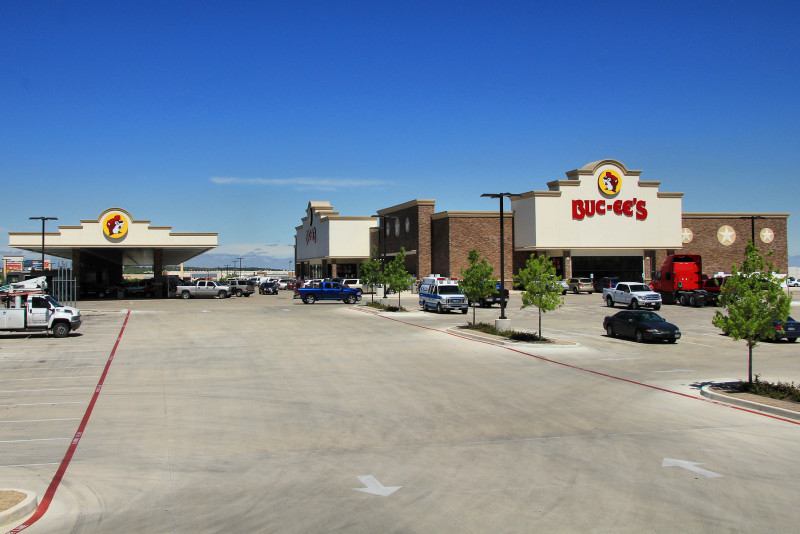
Buc-ee's is an American chain of large country stores gas...

Anthony Stephen Fauci is a prominent American physician-scientist and immunologist...

Jeanine Pirro is an American television host lawyer and author...

Bernie Sanders is a prominent American politician and the senior...