Challenges Faced by David Miller (Canadian politician): Obstacles and Turning Points


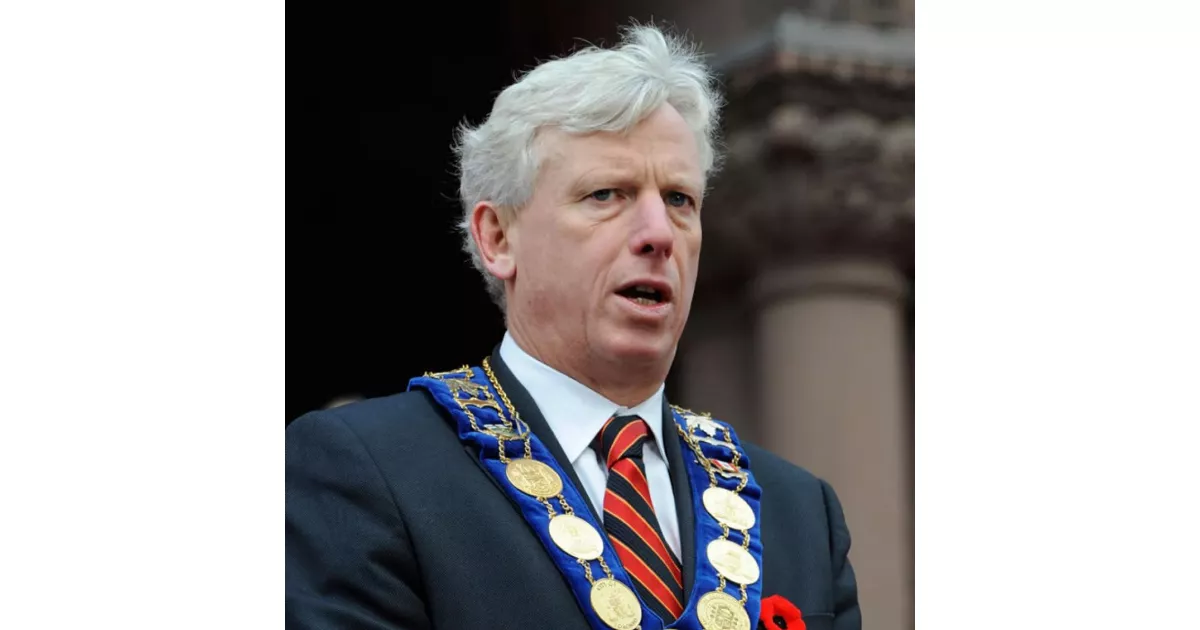
A closer look at the defining struggles that shaped David Miller (Canadian politician)'s life and career.
David Miller is a Canadian lawyer and former politician best known for serving as the 63rd mayor of Toronto from 2003 to 2010. His tenure focused on urban issues, including environmental sustainability, public transit, and social equity. Before becoming mayor, Miller was a Toronto city councillor. Since leaving office, he has been involved in various initiatives related to sustainable urban development and climate change, often advocating for policy changes at both local and global levels.
1991: First run for Metropolitan Toronto Council
In 1991, David Miller first ran for Metropolitan Toronto council, advocating for public transit improvements to establish Toronto as a world-class city, but he lost to the incumbent councillor.


1993: Ran in Canadian federal election
In 1993, David Miller was the NDP candidate for Parkdale—High Park in the Canadian federal election, where he finished fourth.
1995: Spoke against budget cuts
In early 1995, David Miller spoke against Metro's decision to cut $3 million from its staffing budget, arguing it would cause hardship for laid-off workers.
1996: Campaign for Legislative Assembly of Ontario
In 1996, David Miller campaigned for the Legislative Assembly of Ontario as the NDP candidate in York South but was narrowly defeated.
June 1999: Formal apology on behalf of the TTC
In June 1999, David Miller issued a formal apology on behalf of the TTC following complaints about a subway advertisement by the Toronto police union.
2001: Expressed concern over Wheel-Trans service
In 2001, David Miller voiced concerns about potentially contracting out the Wheel-Trans bus service for the disabled to the private sector.
May 2002: Confrontation with Mayor Lastman
In May 2002, Mayor Lastman yelled at David Miller during a debate, saying he would never be mayor. Miller later said this exchange encouraged him to run for mayor.
2002: Exposed the MFP computer leasing scandal
In 2001 and 2002, David Miller was a leading voice in exposing Toronto's MFP computer leasing scandal, bringing to light questionable lobbying practices at city hall.
April 21, 2004: Council Approves Police Budget
On April 21, 2004, after a lengthy debate, the council voted 40-5 to approve a police budget of $679.1 million.
March 2005: Request for Participatory Role in Police Chief Selection
In March 2005, Miller asked the Police Services Board that he be granted a participatory role in the selection of the next police chief. The board turned down Miller's request.
October 2005: Ipsos-Reid Poll on Handling of Gang Activity
In October 2005, an Ipsos-Reid poll showed that the mayor, council, police and judges all received low to middling grades from the Toronto public in their handling of increased gang activity. Miller received a D+.
November 2005: Panel Recuses Itself and Overturns Decision
In November 2005, the panel of the Ontario Superior Court recused themselves by a vote of 2-1 after the city cited a potential bias on the part of one of the judges, and so overturned their previous decision to halt the streetcar right-of-way project.
2005: Second Budget and Financial Challenges
In 2005, Miller's administration presented a balanced budget after difficult negotiations by drawing $19.8 million from reserve funds. The province's failure to provide $72.3 million for mandated social programs increased Toronto's budgetary difficulties. The total operating budget was $7.1 billion, with property tax increases held to 3% for residents and 1.5% for businesses.
2005: Small Fare Increase Approved for TTC
In early 2005, the TTC, with Miller's approval, implemented a small fare increase. The price of adult tickets and tokens rose by ten cents, while adult cash fare increased by 25 cents. The TTC introduced a weekly $30 pass to mitigate this change.
January 2006: $532 Million Budget Shortfall and Response
In January 2006, Toronto faced a $532 million shortfall in its operating budget. Miller and Soknacki implemented a "zero-based budgeting" approach and a hiring freeze. The city passed a $7.6 billion operating budget with residential tax increases held to 3% and business tax increases to 1%, which was made possible by provincial investment in the city.
February 2006: Budgetary Consultation Clash with Glen Grunwald
In February 2006, Miller clashed with Toronto Board of Trade President and CEO Glen Grunwald at a budgetary consultation meeting. Grunwald's policy recommendations to solve Toronto's budget shortfall were criticized by Miller as "poorly researched" and not befitting the Board of Trade's role as city builders.
May 2006: Harper Government Review of Port Authority
In May 2006, the Harper government announced it would review the Port Authority and scrutinize past decisions related to the bridge project, appointing Roger Tassé to oversee the review. Miller expressed cautious optimism, but later concern over the appointment of Port Authority executives before the report's completion.
May 2006: Criticism of TTC Workers' Wildcat Strike
In late May 2006, Miller strongly criticized a one-day wildcat strike by TTC workers, denouncing it as "illegal, unlawful and absolutely unacceptable".
September 2006: Lobbyist Registry
In September 2006, Miller tried to create a mandatory lobbyist registry, but council voted to refer the matter for further study.
September 2006: Reported payout to Robert Deluce's REGCO
In late September 2006, it was reported that Robert Deluce's REGCO (the parent company of Porter Airlines) received $20 million of the $35 million paid by the federal government, with David Miller describing the payout as 'totally improper'.
November 2006: Release of Tassé Report and Reactions
In November 2006, the Tassé Report defended the Port Authority's decision to sign a bridge contract before the 2003 election and deemed a $35 million payout to DeLuce as "reasonable". Miller criticized the report, dismissing it as "not worth the paper it is written on", while MP Olivia Chow called it a "total whitewash".
November 2006: Expo 2015 Bid Collapses
In November 2006, the bid to host Expo 2015 collapsed after the federal, provincial, and municipal governments failed to agree on covering potential losses. Miller refrained from blaming any level of government, although councillor Brian Ashton placed most of the blame on the province.
January 2007: Criticism of Ontario Municipal Board Decision
In January 2007, Miller criticized an Ontario Municipal Board decision allowing a high-rise project on Queen Street West, arguing it would compromise the city's creative sector.
August 2007: $34-Million in Service Cuts Implemented
In August 2007, City Manager Shirley Hoy, under Miller's direction, implemented $34-million in service cuts to the 2007 budget without council approval. These cuts led to motions from community councils to stop the closure of community centers on Mondays and delay the opening of ice rinks, leading to more controversy.
October 2007: Debate on New Tax Measures Deferred
On July 16, 2007, council voted to defer debating the implementation of a $60 vehicle-registration tax and a 1.5 per cent land transfer tax until after the October 2007 provincial election. The debate on the measures had been contentious.
2007: Criticism of McGuinty government's budget
In 2007, Miller criticized the McGuinty government's budget, arguing that it was refusing to "pay its bills", and said that Toronto's budgetary problems were the result of $500 million in social service costs mandated by the provincial government.
June 18, 2009: Request for Federal Funding for New Streetcars
On June 18, 2009, Miller requested federal funding from the Harper government's $12-billion stimulus spending for new streetcars in the Transit City initiative, facing a June 27, 2009 deadline to commit to a $1.2-billion deal with Bombardier.
June 27, 2009: Deadline to commit to streetcar deal.
The city faced a deadline of June 27, 2009 to commit to the $1.2-billion deal signed with Bombardier for the 204 streetcars.
2010: Declining to seek a third term
In 2010, Miller did not seek a third term as mayor, with an Ipsos Reid poll revealing that almost 8 in 10 Torontonians wanted Miller replaced as mayor, over dissatisfaction at his handling of the 39-day municipal strike.
Mentioned in this timeline
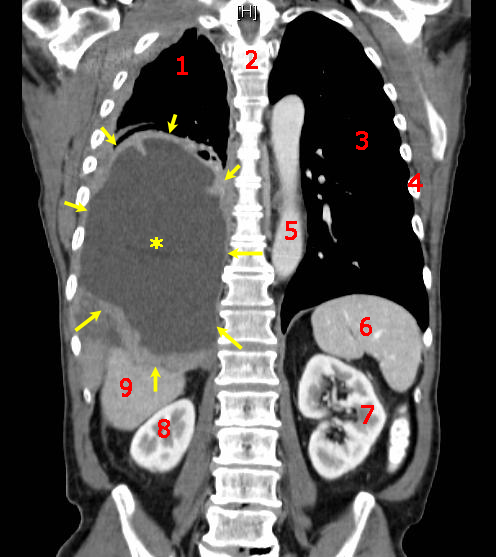
Cancer encompasses over diseases characterized by uncontrolled cell growth leading...
England a constituent country of the United Kingdom occupies roughly...

A star is a self-gravitating luminous plasma spheroid exemplified by...
A car also known as an automobile is a wheeled...

New York University NYU is a private research university located...

Canada is a North American country spanning from the Atlantic...
Trending

4 hours ago 76ers Sign Tacko Fall to New Two-Way Contract
4 hours ago NBA Season Opener Injury Updates Reveal Status for Sixers and Knicks Players

4 hours ago Kentavious Caldwell-Pope set to start for 76ers

4 hours ago Boca Juniors Seeks Critical Copa Sudamericana Remontada Against Vasco da Gama
4 hours ago Parents Face Legal Scrutiny Following Deadly Bend Elementary School Shooting
4 hours ago Roger Goodell Named as Inductee for the 2026 Westchester Sports Hall of Fame
Popular

Ilhan Omar is a prominent American politician currently serving as...

Ken Paxton is an American politician and lawyer serving as...

Elon Musk is a visionary entrepreneur and engineer known for...
Michael Joseph Jackson the King of Pop was a highly...

Cristiano Ronaldo widely considered one of the greatest footballers captains...
Linda Ronstadt is a versatile American singer renowned for her...