Career Timeline of David Miller (Canadian politician): Major Achievements and Milestones


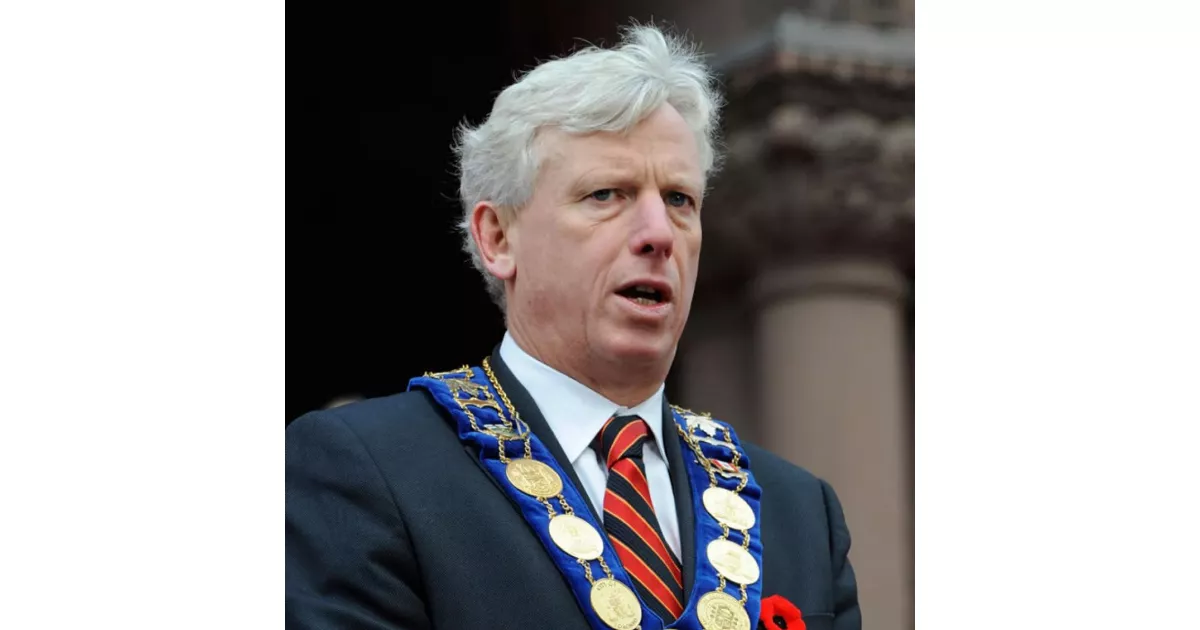
From career breakthroughs to professional milestones, explore how David Miller (Canadian politician) made an impact.
David Miller is a Canadian lawyer and former politician best known for serving as the 63rd mayor of Toronto from 2003 to 2010. His tenure focused on urban issues, including environmental sustainability, public transit, and social equity. Before becoming mayor, Miller was a Toronto city councillor. Since leaving office, he has been involved in various initiatives related to sustainable urban development and climate change, often advocating for policy changes at both local and global levels.
1984: Earned Law Degree
In 1984, David Miller earned a Bachelor of Laws degree from the University of Toronto Faculty of Law.


1985: Joined the New Democratic Party
In 1985, David Miller joined the New Democratic Party (NDP).
1985: Represented Toronto Islands Residents
In 1985, David Miller, while an articling student, represented Toronto Islands residents in an arbitration case, which he later described as his introduction to municipal politics.
1991: First run for Metropolitan Toronto Council
In 1991, David Miller first ran for Metropolitan Toronto council, advocating for public transit improvements to establish Toronto as a world-class city, but he lost to the incumbent councillor.
1993: Ran in Canadian federal election
In 1993, David Miller was the NDP candidate for Parkdale—High Park in the Canadian federal election, where he finished fourth.
1994: Elected to Metro Toronto Council
In 1994, David Miller was elected to the Metro Toronto Council for the High Park ward.
1995: Spoke against budget cuts
In early 1995, David Miller spoke against Metro's decision to cut $3 million from its staffing budget, arguing it would cause hardship for laid-off workers.
1996: Campaign for Legislative Assembly of Ontario
In 1996, David Miller campaigned for the Legislative Assembly of Ontario as the NDP candidate in York South but was narrowly defeated.
June 1999: Formal apology on behalf of the TTC
In June 1999, David Miller issued a formal apology on behalf of the TTC following complaints about a subway advertisement by the Toronto police union.
2000: Advocated for waterfront parklands
During his time on council, David Miller became known as an advocate for waterfront parklands and opposed private development near Exhibition Place in 2000.
2000: Re-elected to council
Following electoral redistribution, David Miller was re-elected to council in 2000, representing Ward 13 Parkdale-High Park.
July 2001: Sought gasoline-tax revenues for public transit
In July 2001, David Miller gained unanimous support for a motion requesting the federal government to approve the transfer of gasoline-tax revenues to Toronto's public transit system.
2001: Expressed concern over Wheel-Trans service
In 2001, David Miller voiced concerns about potentially contracting out the Wheel-Trans bus service for the disabled to the private sector.
May 2002: Confrontation with Mayor Lastman
In May 2002, Mayor Lastman yelled at David Miller during a debate, saying he would never be mayor. Miller later said this exchange encouraged him to run for mayor.
2002: Exposed the MFP computer leasing scandal
In 2001 and 2002, David Miller was a leading voice in exposing Toronto's MFP computer leasing scandal, bringing to light questionable lobbying practices at city hall.
October 22, 2003: Led citywide poll for mayor
On October 22, 2003, David Miller led a citywide poll for the first time with 31 per cent support, ahead of Barbara Hall and John Tory, in the mayoral race.
2003: Past election and Smitherman
Back in the 2003 mayoral election, Smitherman had worked for the campaign of Barbara Hall, which tried to persuade Miller to drop out of the race.
2003: "In Campaign: The Making of A Candidate" released
In 2003, filmmaker Andrew Munger released In Campaign: The Making of A Candidate as a behind-the-scenes look at Miller's 2003 campaign.
January 2004: Meeting of Canada's Major Urban Mayors
In January 2004, Miller convened a meeting of Canada's major urban mayors, arguing that Canadian cities needed enhanced powers of governance to deal with modern challenges.
February 2004: Call for Greater Coordination on Immigration
In February 2004, Miller called for greater coordination between all three levels of government in overseeing patterns of immigration within Canada.
February 2004: Introduction of Anti-Crime Package
In February 2004, Miller introduced an anti-crime package highlighted by increased community outreach programs and job opportunities for at-risk youth.
February 2004: Summit on Affordable Housing Convened
In late February 2004, Miller convened a summit on affordable housing, including representatives from all three levels of government, and secured $24 million in funding from the provincial government to construct more than 900 units of housing for low-to-middle income earners.
March 1, 2004: Council Approves Miller's Anti-Crime Plan
On March 1, 2004, the council unanimously approved Miller's anti-crime plan.
April 2004: Miller's First Budget Passed
In late April 2004, Miller's first budget was approved by city council with a 29-10 vote. The budget eliminated the existing shortfall, increased spending by 6%, and maintained residential property tax increases at 3% and business/industrial property taxes at 1.5%. The total operating budget for the year was $6.7 billion.
April 21, 2004: Council Approves Police Budget
On April 21, 2004, after a lengthy debate, the council voted 40-5 to approve a police budget of $679.1 million.
May 2004: Installation of Energy-Efficient Traffic Signal Lights
In May 2004, Miller announced that Toronto would install over 2,000 energy-efficient traffic signal lights.
June 2004: Toronto Police Services Board Votes Against Renewing Fantino's Contract
In June 2004, the Toronto Police Services Board voted not to renew Fantino's contract as chief.
July 2004: Appointment of Integrity Commissioner and call for ban on donations
In July 2004, David Miller appointed David Mullan as Toronto's first Integrity Commissioner and brought forward a motion calling for council to ban corporate and union donations to municipal candidates.
September 2004: Council Approves Streetcar Right-of-Way on St. Clair Avenue
In September 2004, council voted 36-7 to approve the creation of a streetcar right-of-way along St. Clair Avenue, as endorsed by Miller, despite local opposition. The project aimed to enhance public transit efficiency.
November 2004: Toronto Film Board Created
In November 2004, Miller created a new Toronto Film Board to improve the economic prospects of the city's film industry.
2004: Additional Funding for TTC
During 2004, Miller participated in negotiations with the federal and provincial governments that led to $1 billion in extra funding being allocated to the TTC over a five-year period. Additionally, the city obtained an additional $70 million in advance provincial funds in 2004 in order to prevent an increase in fares.
2004: Re-introduction of 'The Mayor' on CP24
In early 2004, Miller re-introduced an hour-long call-in television show called The Mayor on CP24.
2004: $355 Million in Gas Tax Revenues for TTC
In late 2004, the provincial government of Dalton McGuinty announced that it would provide $355 million in provincial gas tax revenues for the TTC over three years. Miller also had his first TTC operating budget in 2004 for $219 million.
February 2005: First Meeting of the Toronto Film Board
In February 2005, the first meeting of the Toronto Film Board, chaired by Miller, was convened.
March 2005: Request for Participatory Role in Police Chief Selection
In March 2005, Miller asked the Police Services Board that he be granted a participatory role in the selection of the next police chief. The board turned down Miller's request.
April 2005: Bill Blair Chosen as Police Chief
In April 2005, the board chose Bill Blair as Fantino's permanent replacement.
May 2005: Miller Joins the Police Services Board
In May 2005, Miller replaced Ootes during the city's mid-term shuffle of positions and took a seat on the Police Services Board.
May 2005: Approval of New Housing Units on Brownfield Land
In May 2005, Miller's administration presided over the approval of 6,500 new units of housing on brownfield land near the Don River, a project called Ataratiri that had been delayed for 17 years.
June 2005: Federal Commitment to Ontario Municipalities
In June 2005, Miller welcomed a federal commitment to provide $1.9 billion to Ontario municipalities over five years from federal gas tax revenues.
June 2005: Conservative Party's Commitment to Waterfront Renewal
In June 2005, Monte Solberg of the Conservative Party met with Miller and assured him that the party would honor existing agreements for waterfront renewal if elected.
October 2005: $70 Million Waterfront Investment Announced
In October 2005, Miller announced $70 million in waterfront investments over five years, focusing on new boardwalks, promenades, public places, and related attractions. The HtO, Toronto's first urban beach, project commenced in late 2005.
October 2005: Green Bin Program Becomes Citywide
In October 2005, the Green Bin recycling program became citywide when North York was included, marking Toronto as a leader in recycling and composting programs. Toronto aimed to increase recycling and composting of garbage collected by the city from 40 per cent to 60 per cent by 2010, and 100 per cent in 2012.
December 2005: City Helps Homeless Find Permanent Apartments
By December 2005, the city had helped 533 people experiencing homelessness find permanent apartments through the Streets to Homes initiative.
December 2005: Endorsement of Panel Report
In December 2005, Council endorsed the reforms to give the mayor additional powers and created a formal city executive, after Miller endorsed a panel report.
2005: Support of the City of Toronto Act
In 2005, David Miller voiced his full support of the McGuinty government's City of Toronto Act, writing that it would "give the city freedom and flexibility to deliver services creatively and effectively", and that it "will essentially be Toronto's constitution".
2005: Second Budget and Financial Challenges
In 2005, Miller's administration presented a balanced budget after difficult negotiations by drawing $19.8 million from reserve funds. The province's failure to provide $72.3 million for mandated social programs increased Toronto's budgetary difficulties. The total operating budget was $7.1 billion, with property tax increases held to 3% for residents and 1.5% for businesses.
2005: Toronto Withdraws from AMO
In 2005, under Miller's direction, Toronto withdrew from the Association of Municipalities of Ontario (AMO).
2005: Small Fare Increase Approved for TTC
In early 2005, the TTC, with Miller's approval, implemented a small fare increase. The price of adult tickets and tokens rose by ten cents, while adult cash fare increased by 25 cents. The TTC introduced a weekly $30 pass to mitigate this change.
January 2006: $532 Million Budget Shortfall and Response
In January 2006, Toronto faced a $532 million shortfall in its operating budget. Miller and Soknacki implemented a "zero-based budgeting" approach and a hiring freeze. The city passed a $7.6 billion operating budget with residential tax increases held to 3% and business tax increases to 1%, which was made possible by provincial investment in the city.
February 2006: Comprehensive Housing Renewal Project Begins in Regent Park
In February 2006, Miller began a comprehensive housing renewal project in Toronto's Regent Park area.
February 2006: Support for Lawrence Cannon's Appointment
In February 2006, Miller supported the appointment of Lawrence Cannon as Minister for Communities and tried to persuade the Harper government against eliminating Canada's national child-care plan, without success.
February 2006: Ontario Divisional Court Rules in Favor of City
In February 2006, the Ontario Divisional Court ruled against Save-Our-St. Clair (SOS), granting the city authority to proceed with the streetcar right-of-way project.
February 2006: Toronto Police Services Board Supports Immigration Status Policy
In February 2006, the Toronto Police Services Board unanimously supported a policy to have officers refrain from asking witnesses and victims of crime about their immigration status.
March 2006: Introduction of Wi-Fi Network to Toronto
In March 2006, Miller helped introduce an "historic" Wi-Fi network to Toronto.
May 2006: Support for Extended Municipal Terms
In May 2006, Miller supported the provincial government's legislation to extend municipal terms from three years to four, arguing that municipal leaders need longer terms of office to carry out their mandate.
May 2006: Council votes to launch Expo 2015 bid
In May 2006, council voted 37-2 to launch a bid to host the Expo 2015 world fair, following encouragement from Miller in April 2005.
May 2006: Harper Government Review of Port Authority
In May 2006, the Harper government announced it would review the Port Authority and scrutinize past decisions related to the bridge project, appointing Roger Tassé to oversee the review. Miller expressed cautious optimism, but later concern over the appointment of Port Authority executives before the report's completion.
June 2006: Approval of Measure to Permit Mayor to Appoint Committee Heads and Introduction of Website
In June 2006, Miller led council in approving a measure to permit the mayor to appoint heads of committees. He also introduced a new "Building A Great City website in 2006, allowing Torontonians to follow the development of key issues on city council.
September 2006: Council Approves Subway Car Purchase from Bombardier
In September 2006, City Council approved the TTC's plan to purchase new subway cars from Bombardier via a non-competitive bid by a vote of 25-18, despite criticism about the bidding process and potential cost savings from Siemens. Miller defended the deal as beneficial for taxpayers and Ontario.
September 2006: Lobbyist Registry
In September 2006, Miller tried to create a mandatory lobbyist registry, but council voted to refer the matter for further study.
October 2006: Proposal for Immigrant Voting
In late October 2006, Miller proposed that Toronto's 200,000 landed immigrants be permitted to vote in municipal elections.
November 1, 2006: Campaign Platform Released
On November 1, 2006, Miller released his campaign platform, promising 4,000 units of affordable housing, a mandatory lobbyist registry, and a further expansion of the green bin program into apartments and condominiums.
November 2006: Proposed Parking Lot Surcharge and Simcoe Street Extension
In November 2006, Miller proposed a parking lot surcharge to encourage public transit use. He also suggested extending Simcoe Street to create a downtown link to the waterfront.
November 2006: Announcement of Tougher Bail Conditions for Gun Crimes
In November 2006, Miller stood with Prime Minister Stephen Harper and Premier Dalton McGuinty to announce tougher bail conditions for persons accused of gun crimes.
November 2006: Expo 2015 Bid Collapses
In November 2006, the bid to host Expo 2015 collapsed after the federal, provincial, and municipal governments failed to agree on covering potential losses. Miller refrained from blaming any level of government, although councillor Brian Ashton placed most of the blame on the province.
2006: Soknacki leaves office
David Soknacki did not run for reelection in 2006.
2006: Re-election Bid
In 2006, Miller reassembled his first mayoral campaign team for his 2006 re-election bid. He highlighted safety issues at his campaign launch, and criticized the federal Conservative government's plans to cancel the national gun registry.
2006: Support for McGuinty government's budget
In 2006, Miller strongly supported the McGuinty government's budget, which included an immediate $200 million boost for Toronto.
2006: 2006 Capital Budget
Toronto's capital budget for 2006 was $1.3 billion, targeting road repairs, police stations, and recreation centers.
January 1, 2007: City of Toronto Act proclaimed
On January 1, 2007, the McGuinty government's City of Toronto Act, which grants new powers to the city, was formally proclaimed. Following this, Toronto used its new powers to delegate local matters to community councils and announced plans for a Lobbying Control Framework.
January 2007: Criticism of Ontario Municipal Board Decision
In January 2007, Miller criticized an Ontario Municipal Board decision allowing a high-rise project on Queen Street West, arguing it would compromise the city's creative sector.
February 2007: Motion Passed Against OMB Decision
In February 2007, a motion introduced by Miller, directing staff to pursue all available options against the OMB's decision regarding a high-rise project on Queen Street West, was passed by a vote of 33-11.
February 2007: Council Endorses Lobbyist Registry
In February 2007, council endorsed Miller's lobbyist registry by a vote of 33-9. The new bylaw applies to unions, except in discussions over contracts and health and safety issues.
February 2007: Provincial Government Announces Affordable Housing Funding
In February 2007, the provincial government of Dalton McGuinty announced it would make $392 million available for affordable housing, with Toronto expected to receive the largest share of the revenue.
March 2007: Plan to Reduce Greenhouse Gas Emissions
In March 2007, Miller unveiled a plan to reduce the city's greenhouse gas emissions by 30 per cent by 2020, and by 80 per cent in 2050 (based on a 1990 baseline).
March 2007: Resolution of Legal Hurdle for Green Lane Purchase
In March 2007, the final legal hurdle to the Green Lane purchase was resolved, paving the way for the deal to be signed in early April.
March 2007: Harper Government's Transit Funding Plan
In early March 2007, the Harper government introduced a $1.5 billion plan to assist Toronto's public transit system and expand provincial highways, which Miller welcomed as a step toward permanent funding.
March 2007: Unveiling of Transit City Plan
In mid-March 2007, Miller and the TTC unveiled a fifteen-year plan, called Transit City, to construct a light-rail network linking almost every neighbourhood within the city.
May 2007: Mayors Support One-Cent Plan
In early May 2007, mayors from Canada's 22 largest cities gave their unanimous support to the one-cent plan.
October 2007: Debate on New Tax Measures Deferred
On July 16, 2007, council voted to defer debating the implementation of a $60 vehicle-registration tax and a 1.5 per cent land transfer tax until after the October 2007 provincial election. The debate on the measures had been contentious.
October 23, 2007: Tax Measures Passed
On October 23, 2007, the vehicle-registration tax and land transfer tax measures were passed by a majority vote of 26-19 and 25-20.
2007: Did not renew NDP membership
In 2007, David Miller did not renew his membership in the NDP, stating he didn't want to be seen as partisan when dealing with provincial and federal governments.
2007: Criticism of McGuinty government's budget
In 2007, Miller criticized the McGuinty government's budget, arguing that it was refusing to "pay its bills", and said that Toronto's budgetary problems were the result of $500 million in social service costs mandated by the provincial government.
June 18, 2009: Request for Federal Funding for New Streetcars
On June 18, 2009, Miller requested federal funding from the Harper government's $12-billion stimulus spending for new streetcars in the Transit City initiative, facing a June 27, 2009 deadline to commit to a $1.2-billion deal with Bombardier.
June 27, 2009: Deadline to commit to streetcar deal.
The city faced a deadline of June 27, 2009 to commit to the $1.2-billion deal signed with Bombardier for the 204 streetcars.
September 25, 2009: Announcement Not to Seek Third Term
On September 25, 2009, Miller announced that he would not seek a third term as mayor in the 2010 election, citing family reasons.
October 2010: Endorsement of Joe Pantalone
In early October 2010, Miller gave his endorsement to Deputy Mayor Joe Pantalone, who claimed that he was "no clone of David Miller", but whose platform largely continued the status quo with Miller's policies.
2010: Declining to seek a third term
In 2010, Miller did not seek a third term as mayor, with an Ipsos Reid poll revealing that almost 8 in 10 Torontonians wanted Miller replaced as mayor, over dissatisfaction at his handling of the 39-day municipal strike.
2011: Future of Cities Global Fellow
Following his term as mayor, in 2011 Miller accepted a three-year appointment at the Polytechnic Institute of New York University as Future of Cities Global Fellow to teach courses on finding technological solutions to urban problems.
2011: Joined NYU Poly as a Faculty Member
In 2011, David Miller joined NYU Poly as a faculty member.
2013: President and CEO of WWF-Canada
In 2013, Miller was appointed president and CEO of WWF-Canada, the Canadian division of the international World Wildlife Fund.
2017: North American director for C40 Cities coalition
At the end of 2017, Miller left his position as CEO of WWF-Canada to become North American director for C40 Cities coalition.
November 20, 2024: Special Advisor Appointment
On November 20, 2024, Ontario NDP Leader Marit Stiles announced her appointment of Miller as a Special Advisor on "crafting a new deal for municipalities."
Mentioned in this timeline
Cancer encompasses over diseases characterized by uncontrolled cell growth leading...
England a constituent country of the United Kingdom occupies roughly...

A star is a self-gravitating luminous plasma spheroid exemplified by...
A car also known as an automobile is a wheeled...

New York University NYU is a private research university located...

Canada is a North American country spanning from the Atlantic...
Trending

4 hours ago 76ers Sign Tacko Fall to New Two-Way Contract
4 hours ago NBA Season Opener Injury Updates Reveal Status for Sixers and Knicks Players

4 hours ago Kentavious Caldwell-Pope set to start for 76ers

4 hours ago Boca Juniors Seeks Critical Copa Sudamericana Remontada Against Vasco da Gama
4 hours ago Parents Face Legal Scrutiny Following Deadly Bend Elementary School Shooting
4 hours ago Roger Goodell Named as Inductee for the 2026 Westchester Sports Hall of Fame
Popular

Ilhan Omar is a prominent American politician currently serving as...

Ken Paxton is an American politician and lawyer serving as...

Elon Musk is a visionary entrepreneur and engineer known for...

Michael Joseph Jackson the King of Pop was a highly...

Cristiano Ronaldo widely considered one of the greatest footballers captains...
Linda Ronstadt is a versatile American singer renowned for her...