History of El Clásico in Timeline


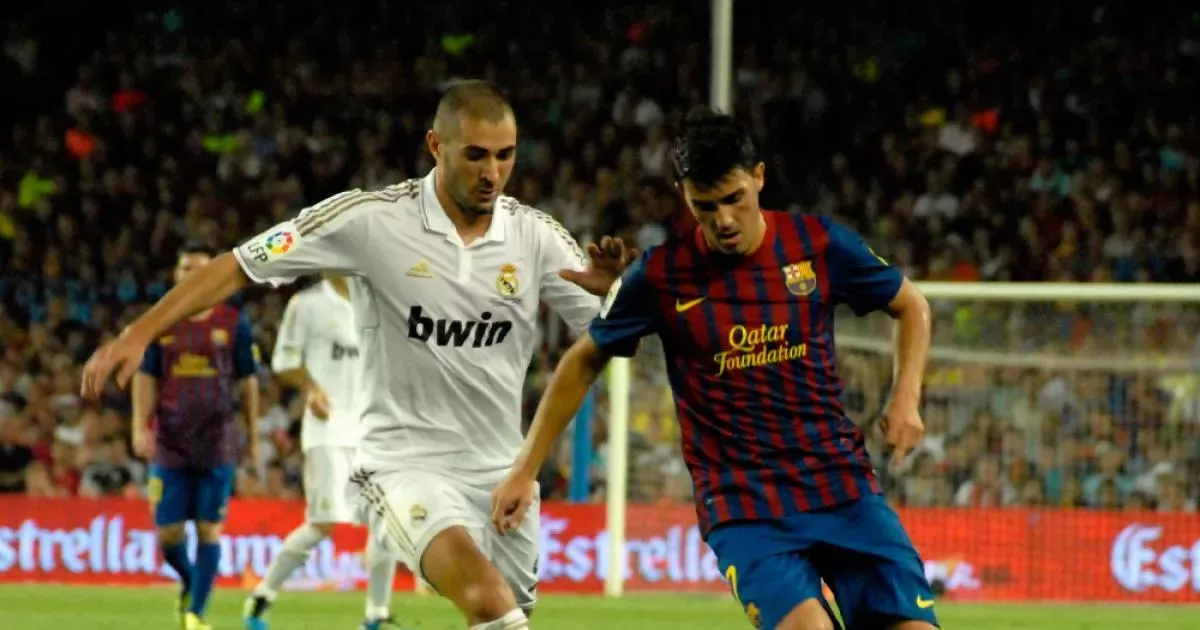
El Clásico refers to any football match between Barcelona and Real Madrid. Originally denoting Spanish championship games, it now encompasses all encounters, including those in the Champions League, Copa del Rey, and Supercopa de España. Renowned as one of sport's most intense rivalries, these matches draw a massive global audience and are known for their fervent atmosphere and memorable, often provocative, goal celebrations.


1902: First Clásico match
Since the first match in 1902, official Clásico matches have been held in 18 stadiums, including 3 outside Spain.
1929: Real Madrid's Primera División titles
Between 1929 and 1953, Real Madrid only won two Primera División titles.
1936: Execution of Josep Sunyol
In 1936, during the coup d'état led by Francisco Franco, the president of Barcelona, Josep Sunyol, was arrested and executed without trial by Franco's troops. Sunyol, a member of the Republican Left of Catalonia and Deputy to The Cortes, was targeted for his political activities. This event strengthened Barcelona's reputation as a symbol of Catalan identity and opposition to Madrid's centralizing tendencies.
1939: Beginning of Franco's Rule
In 1939, Francisco Franco's rule began, influencing the activities and on-pitch results of both Barcelona and Real Madrid. While Franco didn't have a preferred team initially, his Spanish nationalist beliefs led him to associate with establishment teams. During the early years of his rule, Atletico Aviación were believed to be the preferred team over Real Madrid.
June 1943: Real Madrid 11-1 Barcelona
In June 1943, Real Madrid beat Barcelona 11–1 at the Chamartín in the second leg of the Copa del Generalísimo semi-finals, which was renamed in honor of General Franco. This controversial match followed a 3–0 victory for Barcelona in the first leg, and was marred by allegations of intimidation and biased refereeing.
September 1953: Barcelona president forced to resign
In September 1953, due to discontent among various Blaugrana members following an agreement of letting Alfredo Di Stéfano play the 1953–54 and 1955–56 seasons in Madrid, and the 1954–55 and 1956–57 seasons in Barcelona, Barcelona's president was forced to resign.
1953: Arrival of Alfredo Di Stéfano and Paco Gento at Real Madrid
In 1953, Alfredo Di Stéfano and Paco Gento arrived at Real Madrid, marking a turning point for the club.
1954: Di Stéfano Transfer Agreement
In 1954, amidst a dispute between Barcelona and Real Madrid over the signing of Argentine forward Alfredo Di Stéfano, FIFA appointed a mediator to allow Di Stéfano to play the 1953-54 and 1955-56 seasons in Madrid, and the 1954-55 and 1956-57 seasons in Barcelona. Barcelona directors had agreed with River Plate for his transfer to Barcelona for $200,000.
1955: Di Stéfano plays for Real Madrid and Barcelona
In 1955, Alfredo Di Stéfano was part of an agreement that allowed him to play for both Real Madrid and Barcelona, alternating seasons between the two clubs. He was meant to play the 1953-54 and 1955-56 seasons in Madrid, and the 1954-55 and 1956-57 seasons in Barcelona.
1955: Luis Suárez joins Barcelona
In 1955, Luis Suárez joined Barcelona. With the arrival of Kubala and Di Stéfano, Barcelona and Real Madrid became among the most important European clubs.
1956: Di Stéfano plays for Real Madrid and Barcelona
In 1956, Alfredo Di Stéfano was part of an agreement that allowed him to play for both Real Madrid and Barcelona, alternating seasons between the two clubs. He was meant to play the 1953-54 and 1955-56 seasons in Madrid, and the 1954-55 and 1956-57 seasons in Barcelona.
1956: Raymond Kopa joins Real Madrid
In 1956, Raymond Kopa joined Real Madrid, further strengthening the team.
1957: Fernando Maria Castiella's Statement
In 1957, Fernando Maria Castiella became the Minister of Foreign Affairs under Franco, serving until 1969. He noted that Real Madrid was the best embassy Spain had, highlighting the club's importance for the regime's international image.
1958: Ferenc Puskás joins Real Madrid
In 1958, Ferenc Puskás joined Real Madrid, adding to their growing strength.
1959: European Cup clash
In 1959, Real Madrid and Barcelona met in the European Cup, with Madrid triumphing en route to their fifth consecutive title in 1959–60.
1960: European Cup Clash
In 1960, Real Madrid and Barcelona met in the European Cup, with Barcelona prevailing en route to losing the final in 1960–61. Real Madrid had won their fifth consecutive title in 1959-60.
July 1968: Barcelona Wins Copa del Generalísimo
In July 1968, Barcelona beat Real Madrid 1–0 in the Copa del Generalísimo final at the Santiago Bernabéu. Real Madrid fans, angry about the refereeing, threw bottles at the referee and Barcelona players. General Franco presented the trophy to Barcelona with a pitch full of bottles.
1969: End of Castiella's Term as Foreign Minister
In 1969, Fernando Maria Castiella's term as Minister of Foreign Affairs under Franco ended. During his tenure since 1957, he had recognized Real Madrid as the best embassy Spain had, highlighting the club's importance for the regime's international image.
1975: Death of Franco
In 1975, Francisco Franco died, leading to the Spanish transition to democracy. Under his rule, Real Madrid had won 14 league titles, 6 Copa del Generalísimo titles, 1 Copa Eva Duarte, 6 European Cups, 2 Latin Cups and 1 Intercontinental Cup. In the same period, Barcelona had won 8 league titles, 9 Copa del Generalísimo titles, 3 Copa Eva Duarte titles, 3 Inter-Cities Fairs Cups, and 2 Latin Cups.
1980: Cunningham Ovation
In 1980, Laurie Cunningham became the first Real Madrid player to receive applause from Barcelona fans at Camp Nou after an excellent performance in a 2–0 win for Madrid. He received a standing ovation when he left the field.
1980: Foundation of Ultras Sur
In 1980, Ultras Sur was founded as a far-right-leaning Real Madrid ultras group. This marked the beginning of increased hooliganism and violence associated with the club.
1981: Foundation of Boixos Nois
In 1981, the Barcelona ultras group Boixos Nois was founded. Initially left-leaning, it later shifted towards the far-right. This group became known for its violent acts and criminal activities, further intensifying the rivalry between the clubs.
June 1983: Maradona's Goal and Ovation
On June 26, 1983, during the Copa de la Liga final at the Santiago Bernabéu, Diego Maradona scored a memorable goal for Barcelona, which led to applause from many Real Madrid fans. He dribbled past the goalkeeper and stopped just before a defender crashed into the post, before slotting the ball into the net.
April 1988: Real Madrid's Pasillo
On April 30, 1988, during El Clásico, Real Madrid performed the pasillo (guard of honor) for Barcelona after having won the league championship in the previous round.
June 1991: Barcelona's Pasillo
On June 8, 1991, Barcelona received the pasillo (guard of honor) from Real Madrid after winning the league championship two rounds before El Clásico.
1991: FIFA World Player of the Year established
The FIFA World Player of the Year award was presented annually by FIFA from 1991 to 2015.
October 1999: Raúl silences Camp Nou
In October 1999, Real Madrid's Raúl scored an 86th-minute equalizer at Camp Nou and celebrated by gesturing to the crowd to be quiet.
1999: Establishment of Laureus World Sports Awards
In 1999, the Laureus World Sports Awards were established by the Laureus Sport for Good Foundation founding patrons Daimler and Richemont.
2000: Florentino Pérez's Offer to Luís Figo
In 2000, Real Madrid's presidential candidate, Florentino Pérez, offered Barcelona's vice-captain Luís Figo $2.4 million to sign an agreement binding him to Madrid if he won the elections. If Figo broke the deal, he would have to pay Pérez $30 million in compensation. Figo initially denied the deal.
2002: UEFA Champions League Semi-Finals
In 2002, Real Madrid and Barcelona met in the UEFA Champions League semi-finals, with Real Madrid winning 2–0 in Barcelona and drawing 1–1 in Madrid. Real Madrid secured a 3–1 aggregate win. The tie was dubbed the "Match of the Century" by Spanish media.
2002: Figo's Return to Camp Nou
In 2002, during his third season with Real Madrid, Luís Figo's return to Camp Nou was marked by intense animosity from Barcelona fans. Missiles of coins, a knife, a whisky bottle, and even a pig's head were thrown at him during the Clásico.
November 2005: Ronaldinho's Ovation
In November 2005, Ronaldinho became the second Barcelona player to receive a standing ovation from Real Madrid fans at the Santiago Bernabéu after scoring two goals in a 3–0 win. His exceptional dribbling and performance earned him the respect and applause of the opposing fans.
2007: Support for Real Madrid and Barcelona
In 2007, a survey indicated that 32% of the Spanish population supported Real Madrid, while 25% supported Barcelona.
2007: First Clásico without Messi and Ronaldo
In 2018, Cristiano Ronaldo left Real Madrid, and Lionel Messi got injured before the first El Clásico match of the 2018-19 season, marking the first time since 2007 that neither player would feature in the game.
May 2008: Real Madrid's Pasillo
On May 7, 2008, Real Madrid received the pasillo (guard of honor) from Barcelona after winning the league championship.
May 2009: Puyol kisses Catalan armband
In May 2009, Barcelona's Carles Puyol kissed his Catalan armband in front of Madrid fans after scoring against Real Madrid.
2009: Start of Messi-Ronaldo rivalry
In 2009, the rivalry between Lionel Messi and Cristiano Ronaldo began and lasted until 2018, becoming the most competitive in El Clásico history.
2010: FIFA Ballon d'Or agreement
Between 2010 and 2015, the Ballon d'Or was known as the FIFA Ballon d'Or through an agreement with FIFA.
2010: Iniesta scores World Cup-winning Goal
In 2010, Andrés Iniesta scored the World Cup-winning goal for Spain, making him a popular figure throughout the nation. This later contributed to him receiving applause from Real Madrid fans in 2015.
2011: Creation of UEFA Men's Player of the Year Award
In 2011, UEFA created the UEFA Men's Player of the Year Award in partnership with European Sports Media (ESM) group.
2011: Intensified rivalry and unsportsmanlike behavior
In 2011, the rivalry intensified when Barcelona and Real Madrid were scheduled to meet four times in 18 days. This led to accusations of unsportsmanlike behavior, a war of words, and four red cards. The Spain national team coach expressed concern about potential friction within the Spain team due to the rising hatred.
2011: Real Madrid's record points in La Liga
In the 2011–12 season, Real Madrid achieved a club record of 100 points in La Liga.
2012: Ronaldo's "Calm Down" gesture
In 2012, Cristiano Ronaldo gestured to the crowd to "calm down" after scoring the winning goal against Barcelona at the Camp Nou.
2012: Real Madrid's record points in La Liga
In the 2011–12 season, Real Madrid achieved a club record of 100 points in La Liga.
2014: Champions League titles
Between 2014 and 2018, Real Madrid and Barcelona were dominant in Europe and won six Champions League titles.
November 2015: Iniesta's Ovation
On November 21, 2015, Andrés Iniesta became the third Barcelona player to receive applause from Real Madrid fans while being substituted during a 4–0 away win, with Iniesta scoring Barça's third. He was already a popular figure throughout Spain for scoring the nation's World Cup-winning goal in 2010.
2015: End of FIFA Ballon d'Or agreement
Between 2010 and 2015, the Ballon d'Or was known as the FIFA Ballon d'Or through an agreement with FIFA.
2015: FIFA World Player of the Year discontinued
The FIFA World Player of the Year award was presented annually by FIFA from 1991 to 2015.
2016: Ronaldo's "Calm Down" gesture
In 2016, Cristiano Ronaldo gestured to the crowd to "calm down" after scoring the winning goal against Barcelona at the Camp Nou.
April 2017: Messi's shirt celebration
In April 2017, after scoring a 93rd-minute winner against Real Madrid, Messi celebrated by holding up his Barcelona shirt to the Real Madrid fans.
December 2017: Barcelona Refuses Pasillo
On December 23, 2017, Barcelona refused to perform the pasillo (guard of honor) for Real Madrid, who were the FIFA Club World Cup champions. This event contributed to the tension leading up to Real Madrid's refusal to perform the pasillo for Barcelona in May 2018.
May 2018: Real Madrid Refuses Pasillo
In May 2018, Real Madrid refused to perform the pasillo (guard of honor) for Barcelona, even though Barcelona had already won the championship. The refusal was justified by Real Madrid's coach, Zinedine Zidane, who stated that Barcelona had refused to perform it for them in December 2017.
2018: Champions League titles
Between 2014 and 2018, Real Madrid and Barcelona were dominant in Europe and won six Champions League titles.
2018: Ronaldo leaves Real Madrid
In 2018, Cristiano Ronaldo left Real Madrid for Juventus. Prior to the first Clásico match of the 2018-19 season, Messi sustained an injury, marking the first time since 2007 that neither player would feature in the game.
2018: End of Messi-Ronaldo rivalry
In 2018, the rivalry between Lionel Messi and Cristiano Ronaldo ended after being the most competitive in El Clásico history, with both players as their clubs' all-time top scorers.
2024: Ronaldo is the all-time top scorer in the UEFA Champions League
As of 2024, Ronaldo is the all-time top scorer in the UEFA Champions League, followed by Messi in the second place.
2024: Forbes ranked Real Madrid and Barcelona among the most valuable football teams
In 2024, Forbes ranked Real Madrid and Barcelona among the most valuable football teams in the world, placing them in first and third place respectively. This highlights the significant financial power and global recognition of both clubs.
Mentioned in this timeline
Cristiano Ronaldo widely considered one of the greatest footballers captains...
Lionel Messi is an Argentine professional footballer widely considered one...

Ronaldinho Ga cho a Brazilian former professional footballer is widely...
Diego Maradona was an Argentine professional football player and manager...
La Liga officially LaLiga EA Sports due to sponsorship is...
Football encompasses a variety of team sports centered around advancing...
Trending
26 minutes ago Fatal Shooting at Duluth Marriott: Gwinnett County Police Investigate Homicide Case
27 minutes ago Cubs Eye Trade Deadline Heists: Aroldis Chapman Potential Target Amid World Series Push
1 hour ago Gerard Butler to Star as Sniper Saving World Cup in 'The Nest'
1 hour ago Mariners Update: Luke Raley, Spencer Jones, and Matthew Boyd in the News
1 hour ago Urban Meyer questions OSU tradition after Kyle Whittingham's Michigan move.

2 hours ago Josh Hart probable for Game 3 despite thumb sprain, playing through pain.
Popular
Ted Turner is an American entrepreneur and media mogul best...

Michael Joseph Jackson the King of Pop was a highly...
Graham Cunningham Platner is an American oyster farmer and Marine...
Rudy Giuliani is an American politician and disbarred lawyer best...
William Franklin Graham III known as Franklin Graham is an...
Elizabeth Warren is a prominent American politician currently serving as...