



Influencer marketing utilizes individuals with credibility and reach on social media to promote brands and products. Influencers create sponsored content on platforms like Instagram, YouTube, and TikTok, impacting their audience's buying habits and actions. This strategy involves brands partnering with influencers who have an established audience to generate discussion and positive mentions through social media posts, leveraging the influencer's perceived expertise and trustworthiness to drive brand awareness and sales.
1940: Introduction of the two-step flow of communication model
In 1940, the two-step flow of communication model was introduced in The People's Choice by Paul Lazarsfeld, Bernard Berelson, and Hazel Gaudet.


1955: Development of the two-step flow of communication model in Personal Influence
In 1955, the two-step flow of communication model was further developed in Personal Influence by Lazarsfeld and Elihu Katz.
1960: Further development of the two-step flow of communication model in The Effects of Mass Communication
In 1960, the two-step flow of communication model was further developed in The Effects of Mass Communication by Joseph Klapper.
2012: Connection between influencer authenticity/creativity and marketing effectiveness
Studies in Thailand by Cantawee et al. in 2012 show a connection between an influencers' perceived authenticity and creativity and their effectiveness at marketing.
2015: Attributions drive endorsers and shoppers take action following endorsements
A 2015 article indicates that attributions drive endorsers and that globally 77% of shoppers would or may take action following endorsements from family, friends, and online reviews, showcasing the impact of word-of-mouth marketing.
2016: Introduction of Lil Miquela as a realistic virtual influencer
In 2016, Lil Miquela was introduced as an early realistic virtual influencer, prompting curiosity and speculation until it was revealed she was created by advertisers.
2016: FTC enforces disclosure of sponsored content
In 2016, the FTC began large-scale enforcement of sponsored content disclosure, sending letters to companies and influencers who failed to disclose. Many Instagram influencers responded by using #ad.
2017: Creators launch their own product lines
In 2017, following the success of influencers landing sponsored content deals and increased engagement after disclosure, some creators began launching their own product lines.
2017: FTC sends educational letters to influencers and takes action against deceptive endorsements
In 2017, the FTC sent over 90 educational letters to celebrity and athlete influencers, reminding them of their obligation to disclose business relationships. The FTC also took actions against YouTubers Trevor Martin and Thomas Cassell for deceptively endorsing an online gambling site.
2018: Analysis reveals low-quality followers and fake followers among UK influencers
In 2018, an analysis of over 7,000 influencers in the UK revealed that about half of their followers had up to 20,000 "low-quality" followers themselves. Another study found that 12% of UK influencers had bought fake followers.
2018: Backlash to sponsored content leads to focus on authenticity
In mid-2018, backlash to sponsored content became more prominent, leading many influencers to shift their focus towards authenticity.
2018: Internet celebrities become entrepreneurs
Per Abidin in 2018, Internet celebrities often become entrepreneurs by turning the window of fame that they built through being influencers into income streams, selling branded products, or sponsoring with companies.
2019: Cost of influencer fraud estimated at $1.3 billion
In 2019, influencer fraud, including fake followers, was estimated to cost businesses up to $1.3 billion, which was about 15% of global influencer-marketing spending.
October 2022: Report reveals some influencers promoting Dubai engaged in prostitution
In October 2022, a report revealed that some influencers promoting Dubai engaged in prostitution, using their high-profile to find clients and charge higher rates, despite it being illegal in Dubai.
2023: Negative pressures on young entrepreneurs due to focus on authenticity
According to Hund in 2023, the influencer marketing industry's focus on authenticity can create negative pressures for young entrepreneurs trying to maintain idealized online personas, neglecting their own personal identity for commercial intent.
2023: US teens express interest in entrepreneurship inspired by social media influencers
In 2023, a Junior Achievement survey found that 76% of US teens were interested in becoming entrepreneurs, with most citing social media influencers as their inspiration.
2024: Brands plan to use influencer marketing
Globally, 86% of brands planned to use influencer marketing in 2024.
2024: Mastery of algorithms and digital reputation as new social capital
In 2024, Cheng, Guo, and Zhao described mastery of algorithms and digital reputation as a new form of social capital, encouraging youth to view posting simple videos as a profession.
2025: Influencer marketing allows youth in Nigeria to use social media for business creation
Research from Okereke and Eze in 2025 shows that influencer marketing has allowed youth in Nigeria to use social media and different digital marketing tools for business creation.
2026: Increase in A.I. influencers and A.I. versions of real-world celebrities
By 2026, a large number of A.I. influencers existed and even A.I. versions of real-world celebrities were created by advertisers to generate income through advertisements, due to fast improvements in A.I.
Mentioned in this timeline

Instagram is a globally prominent social media platform centered on...

Nigeria located in West Africa is the continent's most populous...
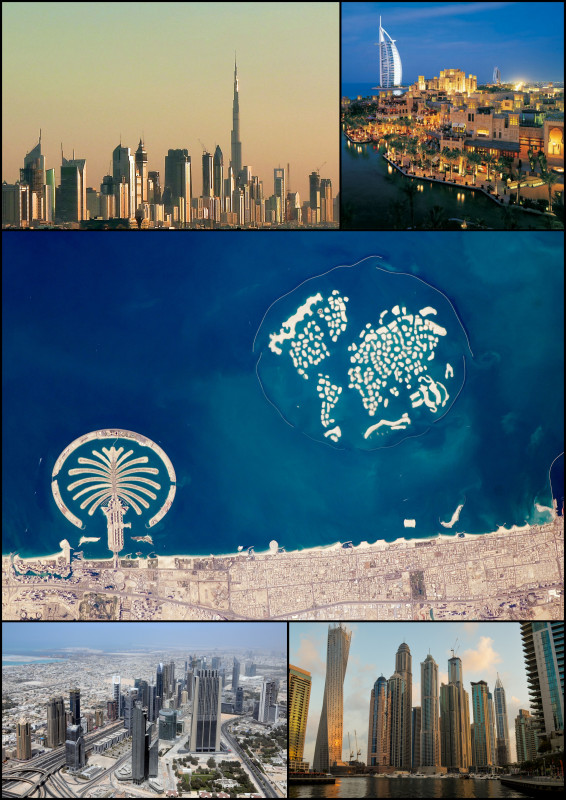
Dubai is the most populous city in the United Arab...
Thailand formerly known as Siam is a Southeast Asian country...
The letter S or s is the th letter in...
Fraud is the intentional act of deception for personal gain...
Trending
4 hours ago Amber Alerts Issued for Missing Children in California and Indiana
5 hours ago College Football Week 8 Analysis and Rankings Overview
2 days ago Cher's Former Miami Beach Waterfront Estate Real Estate History

6 hours ago Justin Bieber Launches Exclusive Immersive Audio Experience Pop-Up in Seoul
6 hours ago Chris Brown faces sentencing for London nightclub bottle attack
6 hours ago Beyoncé Reunites With Destiny's Child Members During Jay-Z Concert at SoFi Stadium
Popular

Ilhan Omar is a prominent American politician currently serving as...

Ken Paxton is an American politician and lawyer serving as...

Elon Musk is a visionary entrepreneur and engineer known for...
Barack Obama the th U S President - was the...
Greg Abbott is the current and th Governor of Texas...

Michael Joseph Jackson the King of Pop was a highly...