Challenges in the Life of Jafar Panahi in a Detailed Timeline


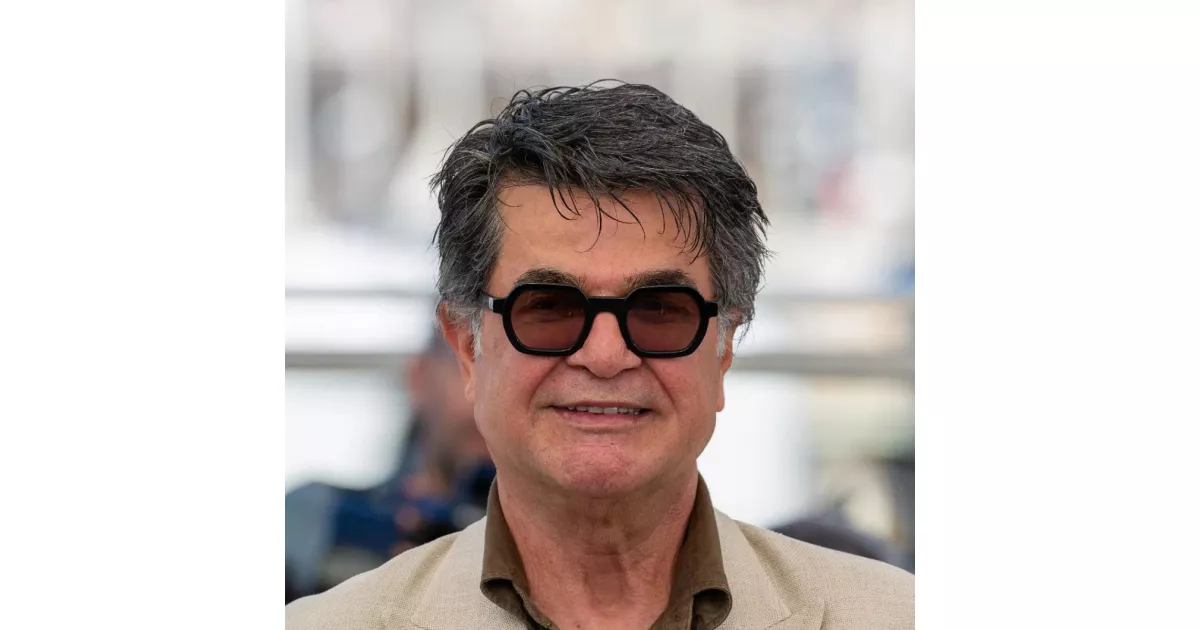
Life is full of challenges, and Jafar Panahi faced many. Discover key struggles and how they were overcome.
Jafar Panahi is an internationally recognized Iranian filmmaker and actor, prominent in the Iranian New Wave movement. His films, often neorealist in style, critically examine the social, political, and gender dynamics within contemporary Iran, frequently focusing on the lives of women, children, and marginalized communities. Panahi's work provides a powerful and artistically significant perspective on Iranian society post-1979 Revolution.
1981: Captured by Kurdish rebels
In 1981, Jafar Panahi was captured by Kurdish rebels and held for 76 days.


2000: The Circle addresses the situation of women in Iran
Starting in 2000 with his third feature film, The Circle, Jafar Panahi's films, which address the situation of women in Iran, have frequently been banned or censored in the country.
April 2001: Panahi detained at JFK Airport
On 15 April 2001, Jafar Panahi was detained at JFK International Airport in New York City while en route from Hong Kong to Buenos Aires. He refused to be fingerprinted and photographed, leading to his detention and eventual deportation back to Hong Kong.
2003: Panahi arrested and interrogated by Information Ministry
In 2003, Jafar Panahi was arrested and interrogated for four hours by the Information Ministry in Iran before being released and encouraged to leave the country.
2006: Offside premieres at Berlin Film Festival, wins Silver Bear
In 2006, *Offside* premiered at the Berlin Film Festival, where Panahi was awarded the Silver Bear Jury Grand Prix. The film was banned in Iran, but unlicensed DVD copies circulated widely. A feminist protest group, the White Scarf Girls, formed after the film's release. Sony Pictures Classics requested the film be shown in Iran so it could launch a campaign to nominate the film for Best Foreign Language Film, but the Ministry refused.
2006: Panahi releases Offside
In 2006, Jafar Panahi released his film *Offside*, about young Iranian girls disguising themselves as boys to attend a World Cup qualifying football match. The film uses the football game as a metaphor to highlight the discrimination against women in Iranian society. *Offside* was partially shot during an actual game and was inspired by an incident involving Panahi's daughter.
July 2009: Panahi arrested at Tehran cemetery
On 30 July 2009, Jafar Panahi was arrested at a cemetery in Tehran where mourners had gathered near the grave of Neda Agha-Soltan. He was detained for eight hours, with the Iranian government claiming it was a mistake.
February 2010: Panahi denied travel to Berlin Film Festival
In February 2010, Jafar Panahi's request to travel to the 60th Berlin Film Festival for a panel discussion on Iranian Cinema was denied by the Iranian government.
March 2010: Panahi arrested again, taken to Evin Prison
On 1 March 2010, Jafar Panahi, along with his wife, daughter, and 15 friends, was arrested again and taken to Evin Prison. Most were released after 48 hours, but Panahi remained in section 209.
April 2010: Culture minister says Panahi's arrest related to film against the regime
In April 2010, Iran's culture minister stated that Jafar Panahi had been arrested for making a film against the regime, which was about the events that followed election, but Panahi's wife denied that.
April 2010: Ministry says Panahi arrested for documentary about 2009 unrest
On 14 April 2010, Iran's Ministry of Culture and Islamic Guidance stated that Jafar Panahi had been arrested for "tried to make a documentary about the unrest that followed the disputed 2009 re-election of President Mahmoud Ahmadinejad."
April 2010: Directors Urge Panahi's Release
On April 2010, prominent American film directors such as Paul Thomas Anderson, Joel & Ethan Coen, Francis Ford Coppola, Jonathan Demme, Robert De Niro, and Martin Scorsese, among others, signed a letter urging the release of Jafar Panahi from imprisonment. The letter emphasized that Iranian filmmakers, like artists globally, should be celebrated rather than censored or repressed.
December 2010: Amnesty International Online Petition
In December 2010, Amnesty International launched an online petition spearheaded by Paul Haggis and Nazanin Boniadi and signed by Sean Penn, Martin Scorsese, Harvey Weinstein and others, protesting the sentence of Jafar Panahi. This was an effort to mobilize public support for Panahi's release.
December 2010: Panahi sentenced to prison and filmmaking ban
On 20 December 2010, Jafar Panahi was sentenced to six years' imprisonment and a 20-year ban from filmmaking, screenwriting, giving interviews, or leaving Iran, after being convicted of "assembly and colluding with the intention to commit crimes against the country's national security and propaganda against the Islamic Republic."
2010: Sentenced to prison and banned from filmmaking
In 2010, Jafar Panahi was sentenced to six years in prison and a 20-year ban on filmmaking activities, based on charges of "propaganda against the Islamic Republic."
January 2011: CFI Launches Campaign for Panahi's Release
In January 2011, Cine Foundation International (CFI) launched a campaign featuring protest films and public actions to advocate for Jafar Panahi's release. This campaign includes commissioned feature-length films and shorts addressing human rights issues in Iran and worldwide. CFI also deployed a video protest mechanism called White Meadows, developed by Ericson deJesus, allowing individuals globally to record video statements in support of Panahi and Rasoulof.
March 2011: Obama Cites Panahi's Case
In March 2011, U.S. President Barack Obama cited Jafar Panahi's case as an example of Iran's oppressive regime during his greetings to the Iranian people on the occasion of the Iranian New Year, highlighting the challenges faced by artists in Iran.
March 2011: Panahi creates This Is Not a Film
In March 2011, despite a filmmaking ban, Jafar Panahi, in collaboration with Mojtaba Mirtahmasb, created the documentary *This Is Not a Film*. Shot over four days using a digital camcorder and an iPhone, the film depicts Panahi's life under house arrest, discussing his case, films, and unrealized projects. The film's title was inspired by René Magritte's painting The Treachery of Images.
April 2011: Panahi on Time's Top 10 Persecuted Artists
In April 2011, Time Magazine recognized Jafar Panahi as one of the Top 10 Persecuted Artists who have challenged authority, placing him third on the list. This recognition underscores the challenges he faced due to his artistic expression.
October 2011: Panahi's sentence upheld, placed under house arrest
On 15 October 2011, a court in Tehran upheld Jafar Panahi's sentence and ban. Following the decision, Panahi was placed under house arrest, with restrictions on his freedom of movement.
2011: Production of Prometheus Bound Dedicated to Panahi
In 2011, Boston's American Repertory Theater and System of a Down's Serj Tankian dedicated their production of Prometheus Bound to Jafar Panahi and seven other activists, aiming to give a voice to those silenced by modern oppressors. This dedication took place in Spring 2011.
2011: This Is Not a Film released
In 2011, despite legal restrictions, Jafar Panahi continued to make films without permission, including This Is Not a Film, which reflects on his limitations as an artist under state surveillance.
March 2013: Criticism by Hamid Dabashi
In March 2013, Columbia University professor Hamid Dabashi published an article criticizing Jafar Panahi's decision to continue making films post-arrest. Dabashi argued that Panahi's recent films lacked the social punch of his earlier work and that he should have refrained from filmmaking given his sentence.
2013: Closed Curtain released
In 2013, despite legal restrictions, Jafar Panahi continued to make films without permission, including Closed Curtain, which reflects on his limitations as an artist under state surveillance.
2015: Taxi released
In 2015, despite legal restrictions, Jafar Panahi continued to make films without permission, including Taxi, which reflects on his limitations as an artist under state surveillance.
July 2022: Panahi's Arrest
On July 11, 2022, Jafar Panahi was arrested after going to the prosecutor's office to inquire about the situation of filmmakers Mohammad Rasoulof and Mostafa Aleahmad. He was the third director detained that week.
2022: No Bears released
In 2022, despite legal restrictions, Jafar Panahi continued to make films without permission, including No Bears, which reflects on his limitations as an artist under state surveillance.
December 2025: Sentenced to One Year in Prison and Travel Ban
In December 2025, Jafar Panahi was sentenced in absentia to one year in prison and received a travel ban for "propaganda activities" against Iran. The sentence included a two-year ban on leaving Iran and prohibited him from joining political or social organizations. His lawyer announced plans to appeal.
2025: Internet Blackout as Repression
During the 2025-2026 Iranian protests, Jafar Panahi stated in 2025 that the internet blackout in Iran was a tool of repression designed to conceal the mass killings by the Islamic republic's forces.
2025: New in absentia prison term decreed
In 2025, Jafar Panahi's legal confrontations remained ongoing, with new sentences such as the in absentia prison term decreed.
January 2026: Statement on Iran Massacres
On January 28, 2026, Jafar Panahi, along with other Iranian intellectuals, published a statement on Instagram asserting that the 2026 Iran massacres were a crime against humanity. The statement accused Supreme Leader Ali Khamenei of principal responsibility.
2026: Internet Blackout as Repression
During the 2025-2026 Iranian protests, Jafar Panahi stated in 2026 that the internet blackout in Iran was a tool of repression designed to conceal the mass killings by the Islamic republic's forces.
Mentioned in this timeline
Barack Obama the th U S President - was the...

Instagram is a globally prominent social media platform centered on...
Robert De Niro is a highly acclaimed American actor director...

Sean Penn is a celebrated American actor and filmmaker recognized...

Sony is a Japanese multinational conglomerate based in Tokyo It...
The lion Panthera leo is a large cat species native...
Trending
3 hours ago Brewers Defeat Dodgers in NLCS Game 3 Behind Jackson Chourio's Historic Home Run Performance

11 months ago Giannis Milestone: Bucks Dominate Nets, Antetokounmpo Chasing LeBron's Scoring Record.
2 months ago Robin Williams’ Children Reactivate Instagram Account to Combat AI Abuse of Late Actor

1 day ago Machine Gun Kelly Refutes Viral Fake Post About Relationship Status With Megan Fox

5 hours ago Tommy Edman Adjusts Role in Dodgers NLCS Postseason Lineup

5 hours ago Teoscar Hernandez Leads Dodgers Against Brewers In Intense NL Championship Series Matchup
Popular

Ilhan Omar is a prominent American politician currently serving as...

Ken Paxton is an American politician and lawyer serving as...

Elon Musk is a visionary entrepreneur and engineer known for...

Jameis Winston is an American football quarterback currently playing for...

Michael Joseph Jackson the King of Pop was a highly...

Cristiano Ronaldo widely considered one of the greatest footballers captains...