Challenges Faced by Michael Jordan: Obstacles and Turning Points


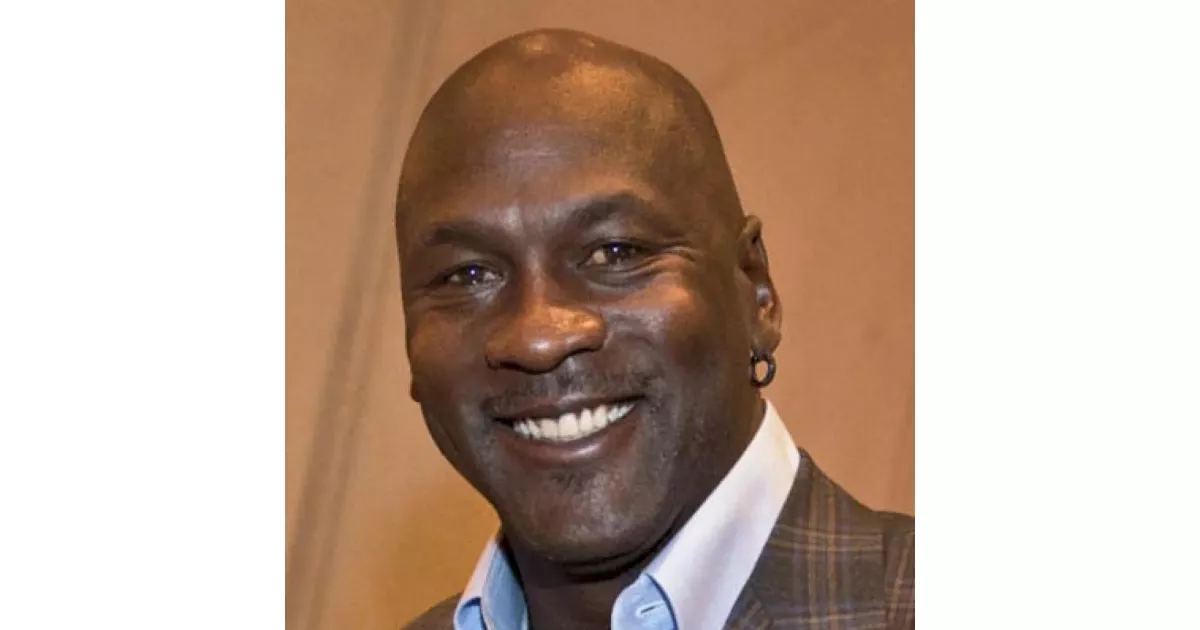
Resilience and perseverance in the journey of Michael Jordan. A timeline of obstacles and growth.
Michael Jordan, widely regarded as one of basketball's greatest players, spent 15 seasons in the NBA (1984-2003). He led the Chicago Bulls to six NBA championships and significantly boosted the sport's global popularity. Currently a businessman and minority owner of the Charlotte Hornets, Jordan is also recognized as the wealthiest athlete and among the world's richest celebrities. His influence extends beyond the court, solidifying his legacy as a global icon.
1985: Rookie Year Achievements
During his rookie 1984–85 season, Michael Jordan averaged 28.2 points per game and helped the Bulls qualify for the postseason. He was voted the NBA Rookie of the Year. In 1985, before the All-Star Game, veteran players were upset by the attention Jordan was receiving.


1986: Playoff Career-High
In 1986, after missing most of the season due to injury, Michael Jordan scored a playoff career-high 63 points against the Boston Celtics on April 20 in Game 2 of the First Round.
1992: Preparing for retirement
As early as the summer of 1992, Michael Jordan was preparing for retirement due to exhaustion.
July 23, 1993: Murder of James R. Jordan Sr.
On July 23, 1993, James R. Jordan Sr., Michael Jordan's father, was murdered at a highway rest area in Lumberton, North Carolina.
October 6, 1993: First Retirement Announcement
On October 6, 1993, Michael Jordan announced his retirement from basketball, citing a loss of desire to play following his father's murder.
1993: Gambling During NBA Playoffs
During the 1993 NBA playoffs, Michael Jordan was observed gambling in Atlantic City. Richard Esquinas also wrote a book claiming he won $1.25 million from Jordan on the golf course that year.
1993: Rumors of Secret Suspension for Gambling
In 1993, rumors spread widely that Michael Jordan's retirement was a secret suspension by the NBA for gambling.
1994: Bulls without Jordan
In 1994, without Michael Jordan, the Bulls went 55–27 and lost to the New York Knicks in the second round of the playoffs.
1995: NBA Denies Gambling Suspension
In 1995, NBA commissioner David Stern denied rumors that Michael Jordan's 1993 retirement was a secret suspension by the league for gambling.
2001: Jordan's knee injury
From 1986-87 to 2001-02, Michael Jordan was noted as a durable player, rarely missing four or more games in a full season until 2001-02 when he injured his right knee.
January 4, 2002: First Divorce Filing
On January 4, 2002, Michael Jordan and Juanita Vanoy filed for divorce, citing irreconcilable differences, but they later reconciled.
May 7, 2003: Fired from Wizards
On May 7, 2003, Abe Pollin, the owner of the Wizards, fired Michael Jordan from his position as Director of Basketball Operations.
December 29, 2006: Finalized Divorce from Juanita Vanoy
On December 29, 2006, Michael Jordan and Juanita Vanoy finalized their divorce, with Juanita receiving a $168 million settlement.
2006: NBA Denies Gambling Suspension (Reiterated)
In 2006, NBA commissioner David Stern reiterated that Michael Jordan's 1993 retirement was not due to a secret suspension by the league for gambling.
2010: 'Jordan Rides the Bus' Director Dismisses Suspension Rumors
In 2010, Ron Shelton, director of the documentary 'Jordan Rides the Bus,' stated that research convinced him that the rumors of Jordan's secret suspension in 1993 were nonsense.
2011: Bobcats Post Worst Record in NBA History
During the lockout-shortened 2011–12 NBA season, the Charlotte Bobcats posted a 7–59 record, resulting in the worst winning percentage (.106) in NBA history.
Mentioned in this timeline

Michael Joseph Jackson the King of Pop was a highly...
Basketball is a team sport played on a rectangular court...
Barack Obama the th U S President - was the...

McDonald's Corporation is a globally recognized American fast-food chain As...
IMAX is a high-resolution cinema system distinguished by its large...
Derek Jeter the Captain is a retired American professional baseball...
Trending
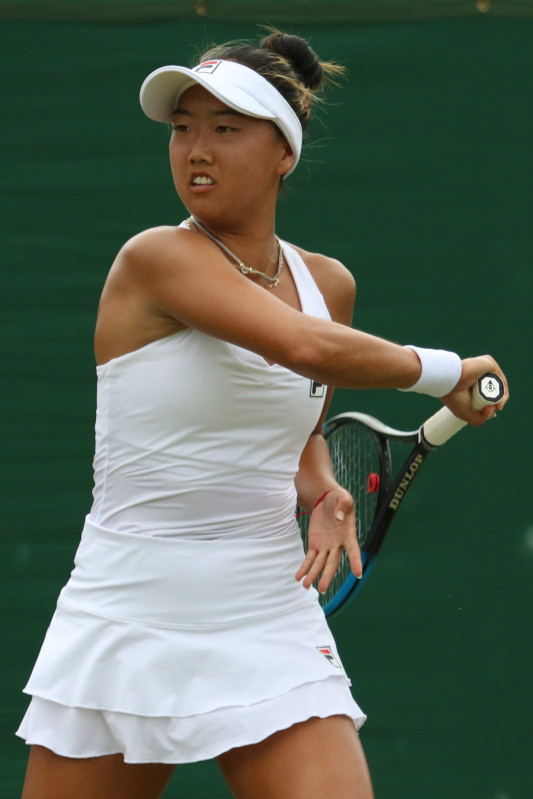
3 hours ago Ann Li Advances to Osaka Quarterfinals After Defeating Zeynep Sonmez
3 hours ago Ann Li Faces Lilli Tagger in WTA Japan Open Quarterfinal Matchup

4 hours ago New Mexico Health Officials Urge Vaccinations Amid Rising Respiratory Illness
4 hours ago Busy Philipps Attends Star-Studded Broadway Opening Night of Other Desert Cities

4 hours ago Alex Cooper and Husband Matt Kaplan Welcome Their First Child

4 hours ago Patriots Secure 26-19 Victory Over Jets Led by Drake Maye Performance
Popular

Ilhan Omar is a prominent American politician currently serving as...

Ken Paxton is an American politician and lawyer serving as...

Elon Musk is a visionary entrepreneur and engineer known for...
Michael Joseph Jackson the King of Pop was a highly...
Cristiano Ronaldo widely considered one of the greatest footballers captains...

Elizabeth Holmes is an American entrepreneur and the founder of...