History of Presidential Records Act in Timeline


The Presidential Records Act (PRA) of 1978 mandates the preservation of official records of presidents and vice presidents created or received after January 20, 1981. This act, enacted on November 4, 1978, shifted the legal ownership of presidential records from private to public, establishing a statutory structure for presidents to manage these records. A 2014 amendment prohibits sending electronic records through non-official accounts unless an official account is copied or the record is promptly forwarded to an official account, ensuring transparency and accountability in presidential communications.
1974: Nixon's Resignation
In 1974, President Richard Nixon resigned and sought to destroy records relating to his presidential tenure, leading to the enactment of the Presidential Records Act.


November 4, 1978: PRA Enacted
On November 4, 1978, the Presidential Records Act (PRA) was enacted, changing the legal ownership of a president's official records from private to public and establishing a new statutory structure for managing those records.
1978: Presidential Records Act Enacted
In 1978, the Presidential Records Act was enacted to ensure that presidential records are owned by the public and must be preserved, which requires the president to ensure preservation of records documenting the performance of his official duties.
January 20, 1981: PRA Effective Date
On January 20, 1981, the Presidential Records Act (PRA) went into effect, governing the official records of presidents and vice presidents created or received after this date and mandating the preservation of all presidential records.
2014: PRA Amendment
In 2014, the Presidential Records Act (PRA) was amended to prohibit sending electronic records through non-official accounts unless an official account is copied or the record is forwarded to an official account shortly after creation.
April 2026: DOJ Opinion on PRA
In April 2026, the Department of Justice's Office of Legal Counsel released an opinion declaring that the Presidential Records Act was unconstitutional. Following this, the American Historical Association and American Oversight sued the administration in an effort to block Trump from destroying or keeping official records for himself.
Mentioned in this timeline
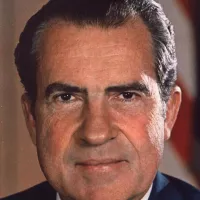
Richard Nixon the th U S President served from -...

Justice in its broadest sense is the concept of treating...
The letter S or s is the th letter in...
An office is a space where employees perform administrative work...
Trending
3 hours ago Busy Philipps Attends Star-Studded Broadway Opening Night of Other Desert Cities

3 hours ago Alex Cooper and Husband Matt Kaplan Welcome Their First Child

3 hours ago Patriots Secure 26-19 Victory Over Jets Led by Drake Maye Performance

3 hours ago Isaiah Hartenstein's Double-Big Strategy Offers Positive Outlook for Aday Mara's Development
3 hours ago Cason Wallace Signs Five-Year Contract Extension With Oklahoma City Thunder

3 hours ago Dillon Danis and Arman Tsarukyan Involved in Violent Brawl at RAF Event
Popular

Ilhan Omar is a prominent American politician currently serving as...
Ken Paxton is an American politician and lawyer serving as...

Elon Musk is a visionary entrepreneur and engineer known for...

Michael Joseph Jackson the King of Pop was a highly...

Cristiano Ronaldo widely considered one of the greatest footballers captains...

Linda Ronstadt is a versatile American singer renowned for her...