History of Prime Minister of Canada in Timeline


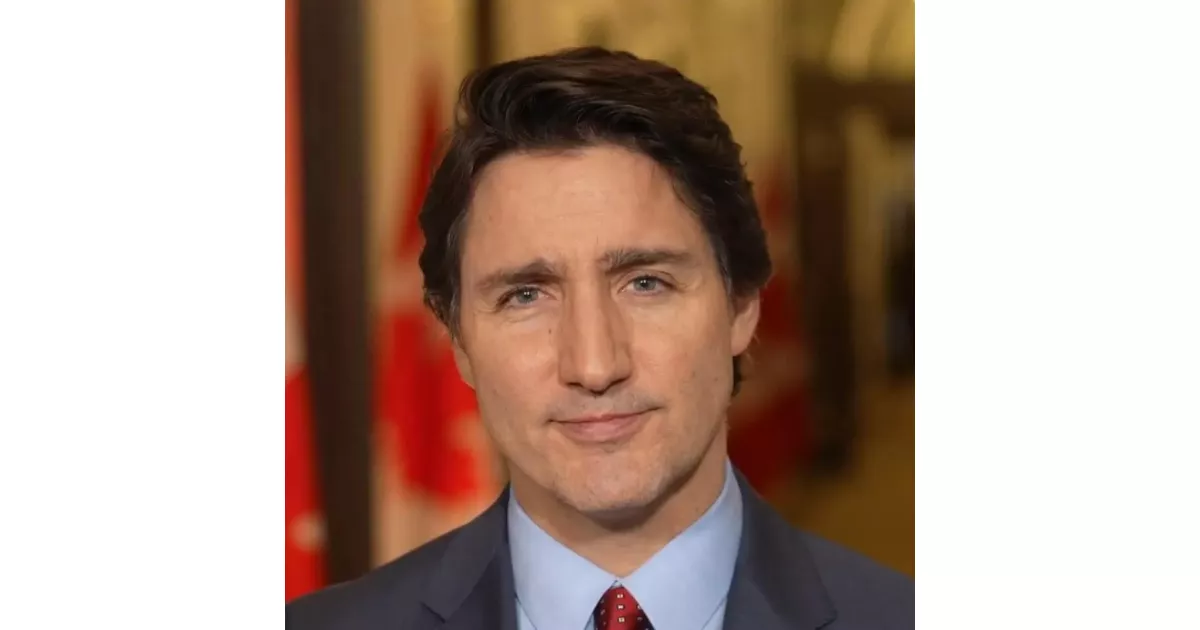
The Prime Minister of Canada is the head of government, operating under the Westminster system. They must maintain the confidence of the House of Commons, typically leading the largest party or a coalition as a Member of Parliament (MP). The Prime Minister selects ministers to form the Cabinet, effectively leading the executive branch. This position is central to Canadian governance and political leadership.
1919: Nickle Resolution
In 1919, the Nickle Resolution was passed, declaring that it should be against the policy of the Canadian Sovereign to bestow aristocratic or chivalric titles to Canadians.


1925: Coalition possibility
Following parliamentary dissolution, the last time forming a coalition with other minority parties was entertained was in 1925.
1925: King loses his seat in the federal election
In 1925, William Lyon Mackenzie King lost his seat in the federal election but remained prime minister and briefly governed without a seat in the House of Commons before winning a by-election.
1941: Bennett elevated to the peerage
In 1941, six years after he stepped down as prime minister, Bennett was elevated to the peerage of the United Kingdom by King George VI as Viscount Bennett, of Mickleham in the County of Surrey and of Calgary and Hopewell in Canada.
1945: King loses his seat again
In 1945, William Lyon Mackenzie King lost his seat again in the Canadian federal election, despite his party being elected government, and briefly governed without a seat in the House of Commons before winning a by-election.
1947: Letters Patent Issued
In 1947, the position of prime minister is mentioned only in a few sections of the Letters Patent issued by King George VI.
1968: Pierre Trudeau's tenure begins
Beginning in 1968, Pierre Trudeau is credited with consolidating power in the PMO throughout his tenure as prime minister.
1980: Pierre Trudeau's second tenure
Starting in 1980, Pierre Trudeau continued consolidating power in the PMO throughout his second tenure as prime minister.
1982: Constitution Act
In 1982, the position of prime minister is mentioned only in a few sections of the Constitution Act.
1984: Turner replaces Trudeau
In 1984, John Turner replaced Pierre Trudeau as leader of the Liberal Party and was subsequently appointed prime minister while not holding a seat in the House of Commons.
2007: Amendment to the Canada Elections Act
In 2007, an amendment to the Canada Elections Act, Section 56.1(2), limited the term of a Parliament to four years, with election day being set as the third Monday in October of the fourth calendar year after the previous polling date.
2008: Public Opinion Survey
In 2008, a public opinion survey indicated that 51 percent of Canadians believed they directly elect the prime minister.
2014: Reform Act
In 2014, the Reform Act codifies the process by which a caucus may trigger a party leadership review and choose an interim leader, making a prime minister more accountable to the MPs in one's party.
April 2024: Prime Minister's Salary
As of April 2024, the prime minister's annual salary is $406,200, consisting of an MP's salary of $203,100 and the prime minister's additional salary of $203,100.
March 14, 2025: Mark Carney takes office
On March 14, 2025, Mark Carney became the current prime minister of Canada.
Mentioned in this timeline
Justin Trudeau served as Canada's rd prime minister from to...
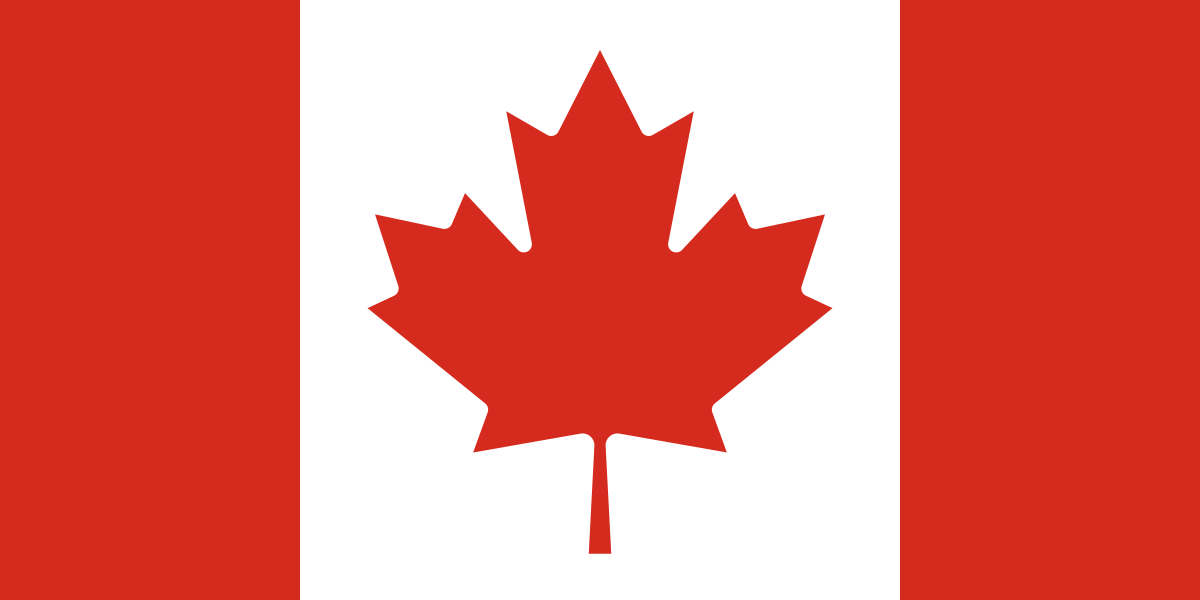
Canada is a North American country spanning from the Atlantic...
A constitution serves as the foundational legal document for any...

An election is a structured decision-making process where a population...
Trending

2 months ago Jung-hoo Lee hits two-run double as Giants face Yankees sweep, history.
2 months ago The Strokes announce 'Reality Awaits' 2026 world tour, including Tampa show after decade.

1 year ago Kevin Hart to Host the 2025 BET Awards: A Comedic Takeover!
3 months ago Trump Considers Winding Down Iran Operations, Denies Ceasefire Amidst Khamenei's Defiant Message.

1 month ago Randy Arozarena hits two-run homer in Astros vs. Mariners game.
The Prime Minister of Canada is the head of government operating under the Westminster system They must maintain the confidence...
Popular

Michael Joseph Jackson the King of Pop was a highly...
Graham Cunningham Platner is an American oyster farmer and Marine...

Ken Paxton is an American politician and lawyer serving as...

Elon Musk is a businessman and public official primarily known...

Cristiano Ronaldo widely considered one of the greatest footballers captains...
Ron Harper is a retired American professional basketball player who...