Childhood and Education Journey of Trey Gowdy in Timeline


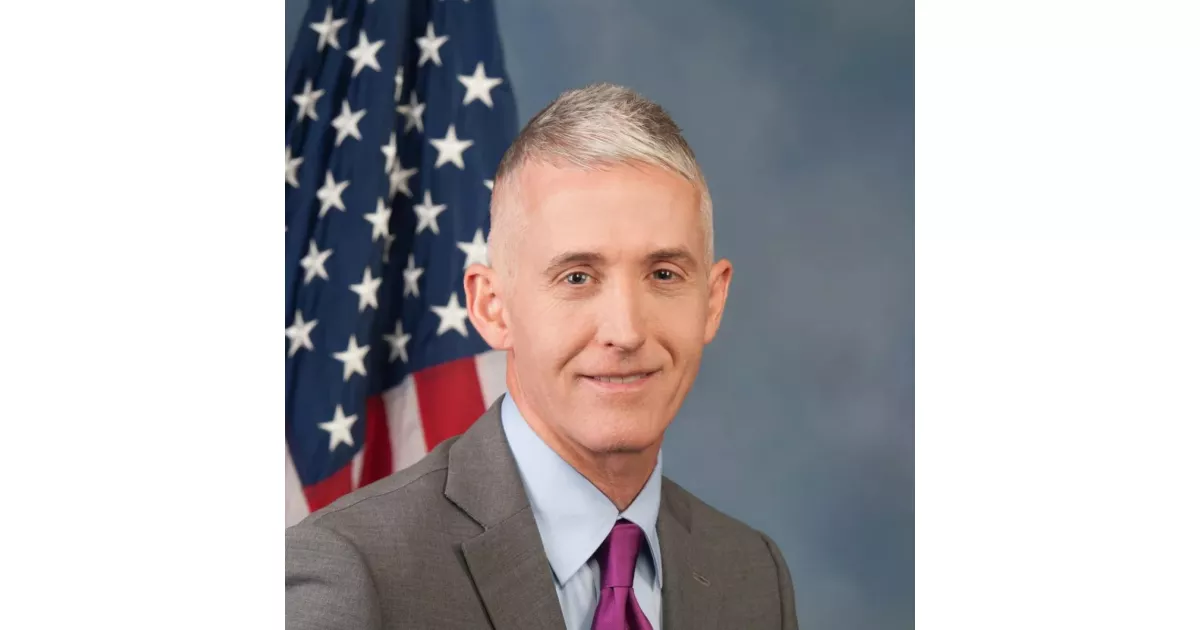
An overview of the childhood and early education of Trey Gowdy, highlighting the experiences that shaped the journey.
Trey Gowdy is an American attorney, television personality, and former politician who served as a U.S. Representative for South Carolina from 2011 to 2019. A former federal prosecutor, he gained national prominence for his sharp, disciplined questioning style during congressional hearings, most notably as chairman of the House Select Committee on Benghazi. His career is defined by his commitment to legal proceduralism and a rigorous approach to oversight investigations. Following his tenure in Congress, Gowdy transitioned into the media landscape, becoming a prominent legal analyst and host for Fox News. Known for his oratorical skills and conservative judicial philosophy, he remains a significant figure in American political commentary, often leveraging his background as a prosecutor to critique government actions and legal policies.
August 22, 1964: Birth of Trey Gowdy
Harold Watson "Trey" Gowdy III was born on August 22, 1964, eventually growing up to become a prominent American television news presenter, federal prosecutor, and U.S. representative.


1982: Graduation from Spartanburg High School
In 1982, Trey Gowdy successfully completed his secondary education and graduated from Spartanburg High School.
1986: Bachelor of Arts from Baylor University
In 1986, Trey Gowdy earned a Bachelor of Arts degree in history from Baylor University, where he was also involved with the Kappa Omega Tau organization.
1989: Juris Doctor from University of South Carolina School of Law
In 1989, Trey Gowdy obtained his Juris Doctor degree, marking the completion of his legal education at the University of South Carolina School of Law.
1993: Beginning of Bob Inglis's Congressional Term
In 1993, Bob Inglis began his initial period of service representing his district in the U.S. House of Representatives, a tenure that would last until 1999.
1999: Conclusion of Bob Inglis's First Congressional Tenure
The year 1999 marked the conclusion of Bob Inglis's first term serving as the representative for his district in the U.S. House of Representatives.
2009: Announcement of Congressional Primary Challenge
During the summer of 2009, Trey Gowdy publicly declared his intention to run against the sitting Republican U.S. Congressman Bob Inglis in the primary election for the 4th congressional district of South Carolina.
2010: Redistricting Following the 2010 Census
In 2010, following the census, a redistricting process occurred in South Carolina that initially threatened to remove Trey Gowdy's home of Spartanburg County from his district. After initial disappointment with a proposed map, a final version was adopted that kept the counties linked, which Gowdy expressed approval of in 2010.
March 2016: Marco Rubio Withdraws from Presidential Race
In March 2016, Marco Rubio suspended his presidential campaign following a primary defeat in his home state of Florida against Donald Trump, which concluded the period of Gowdy's initial endorsement.
2016: Russian Interference in the 2016 Election
During the 2016 calendar year, the United States experienced Russian interference in its presidential election, which subsequently led to a Special Counsel investigation led by Robert Mueller that Trey Gowdy navigated during his congressional tenure.
2016: 2016 Presidential Election Context
During the 2016 presidential election, FBI agent Peter Strzok was involved in internal discussions and investigations. While critics like Trey Gowdy alleged in July 2018 that Strzok's bias during the 2016 campaign compromised his duties, Strzok maintained that he never took action to impact the election results and refrained from leaking damaging information he possessed regarding the candidates.
May 2017: Consideration for FBI Director
Following the dismissal of FBI Director James Comey in May 2017, Gowdy was vetted as a potential replacement but ultimately informed Attorney General Jeff Sessions of his desire to continue serving in his existing congressional seat.
January 31, 2018: Trey Gowdy Announces Retirement from Politics
On January 31, 2018, Trey Gowdy publicly declared that he would not seek re-election to Congress in 2018, stating his intention to return to the private practice of law.
Mentioned in this timeline
Donald John Trump is an American politician media personality and...
Marco Rubio is a prominent American politician serving as the...
Hillary Diane Rodham Clinton is a prominent American politician lawyer...
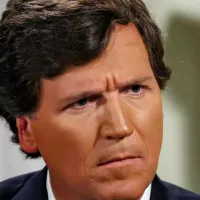
Tucker Carlson is an American conservative political commentator known for...

Fox News Channel FNC is an American multinational conservative news...

The rapid advancement of artificial intelligence continues to dominate the...
Trending

3 hours ago Cher's Former Miami Beach Waterfront Estate Real Estate History

3 hours ago Meghan Markle Expresses Distress Over Disturbing Allegations Against Her Father Thomas Markle

3 hours ago Katie Boulter Reaches Japan Open Semi-Final and Reclaims British Number One Ranking
3 hours ago Leylah Fernandez Advances to Ningbo Open Semifinals After Victory Over Alexandrova
5 hours ago Afghanistan Secures Dominant Victory Over Zimbabwe in UAE ODI Tri-Series Final

5 hours ago Khloé Kardashian Discusses Kris Jenner and Attends Kim Kardashian's 46th Birthday Celebration
Popular
Ilhan Omar is a prominent American politician currently serving as...
Ken Paxton is an American politician and lawyer serving as...

Elon Musk is a visionary entrepreneur and engineer known for...
Michael Joseph Jackson the King of Pop was a highly...

Cristiano Ronaldo widely considered one of the greatest footballers captains...

Elizabeth Holmes is an American entrepreneur and the founder of...