History of Al Sharpton in Timeline


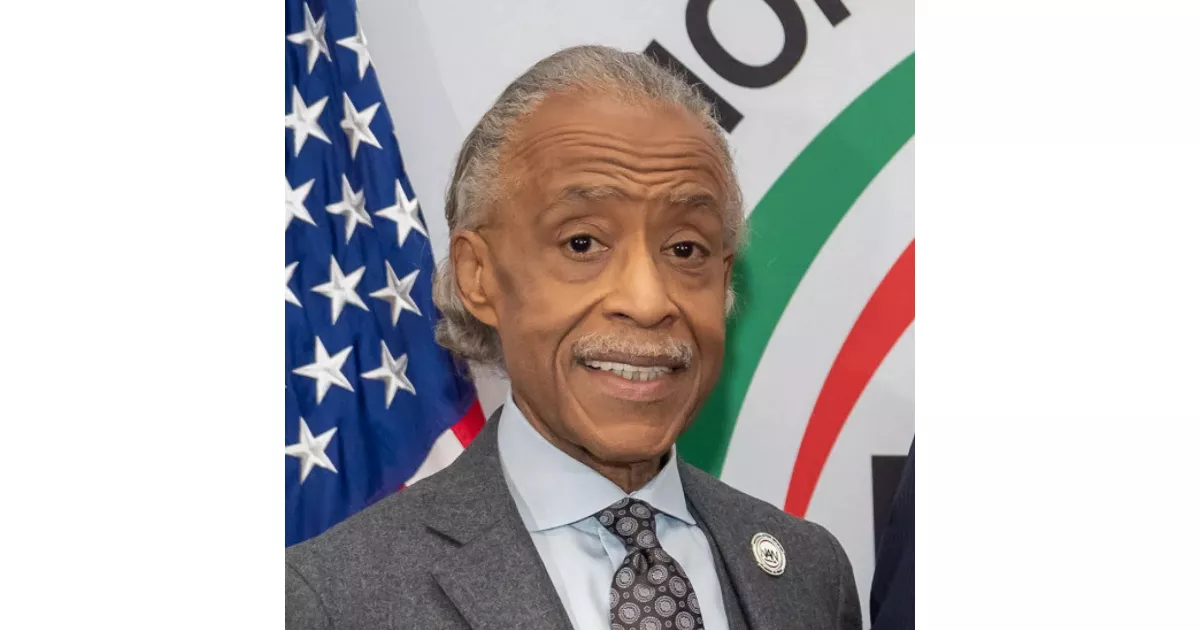
Al Sharpton is a prominent American civil rights and social justice activist, Baptist minister, radio talk show host, and television personality. He founded the National Action Network, a leading civil rights organization. Sharpton ran for the Democratic presidential nomination in 2004. He currently hosts the nationally syndicated radio show 'Keepin' It Real' and is a political analyst and weekend host for MSNBC's 'PoliticsNation.' He remains a significant voice on issues of race, justice, and equality in the United States.
1925: Ada Richards Born
In 1925, Ada Richards, who would later become Alfred Sharpton Jr.'s mother, was born.


1931: Alfred Charles Sharpton Sr. Born
In 1931, Alfred Charles Sharpton Sr., the father of Alfred Charles Sharpton Jr., was born.
1934: William Jones Born
In 1934, William Jones was born, later becoming a mentor to Sharpton during his teenage years.
1941: Calvin Morris Born
In 1941, Calvin Morris was born, later becoming one of the people that Al Sharpton credited with starting his activism.
October 3, 1954: Alfred Sharpton Jr. Born
On October 3, 1954, Alfred Charles Sharpton Jr. was born. He is known as an American civil rights and social justice activist, Baptist minister, radio talk show host, and TV personality, and the founder of the National Action Network civil rights organization.
1963: Father Leaves Family
In 1963, Sharpton's father left his wife to have a relationship with Sharpton's half-sister. Ada then took a job as a maid, and the family moved to public housing in Brooklyn.
1968: Martin Luther King Jr. Assassination
In 1968, Martin Luther King Jr. was assassinated. A claim which Sharpton made about meeting Martin Luther King Jr., has not been supported by historical evidence.
1969: Youth Director Appointment
In 1969, Al Sharpton was appointed by Jesse Jackson to serve as youth director of the New York City branch of Operation Breadbasket, an organization focused on promoting new and better jobs for African Americans.
1969: Youth Director of Operation Breadbasket
In 1969, Jesse Jackson appointed Al Sharpton as the youth director of the Brooklyn branch of Operation Breadbasket, the economic arm of the Southern Christian Leadership Conference.
1971: Befriends James Brown
In 1971, Al Sharpton befriended singer James Brown, who later became his tour manager, and who taught him to "be dramatic in order to get people to see things that they are not inclined to see."
1971: Founds National Youth Movement
In 1971, Al Sharpton founded the National Youth Movement to raise resources for impoverished youth.
1971: Meeting Future Wife Kathy Jordan
In 1971, Al Sharpton met his future wife, Kathy Jordan, who was a backing singer while he was touring with James Brown.
1972: Youth Director for Presidential Campaign
In 1972, Al Sharpton accepted the position of youth director for the presidential campaign of Congresswoman Shirley Chisholm.
1973: Tour Manager for James Brown
Between 1973 and 1980, Al Sharpton served as James Brown's tour manager.
1974: Soul Train Appearance
In 1974, Al Sharpton made a nationally televised appearance with James Brown on an episode of "Soul Train".
1975: Drops out of Brooklyn College
In 1975, Al Sharpton dropped out of Brooklyn College after two years of attendance.
1980: End of Tour Management
Between 1973 and 1980, Al Sharpton served as James Brown's tour manager.
1980: Marriage to Kathy Jordan
In 1980, Al Sharpton married Kathy Jordan.
1981: Meeting with Reagan
In 1981, James Brown challenged Al Sharpton to join him in meeting with U.S. President Ronald Reagan to push for a national Martin Luther King Day holiday.
1983: Became FBI Informant
In 1983, Al Sharpton became an FBI informant, referred to as "CI-7" in FBI documents, following his role in a drug sting involving Colombo crime family captain Michael Franzese.
December 22, 1984: Bernhard Goetz Shooting
On December 22, 1984, Bernhard Goetz shot four African-American men on a New York City Subway 2 train. Al Sharpton led marches protesting what he saw as the weak prosecution of the case, arguing the actions were racist and requesting a federal civil rights investigation. The investigation concluded the shooting was due to an attempted robbery and not race.
December 20, 1986: Howard Beach Assault
On December 20, 1986, three African-American men were assaulted in the Howard Beach neighborhood of Queens by a mob of white men, one of whom, Michael Griffith, was killed by a passing motorist while fleeing.
November 28, 1987: Tawana Brawley Incident
On November 28, 1987, Tawana Brawley was found smeared with feces and with slurs written on her body, claiming she had been assaulted and raped by six white men, in Wappinger, New York.
1988: Run for US Senate
In 1988, Al Sharpton ran for a United States Senate seat from New York.
1988: Informed for Government to Stem Crack Cocaine Flow
In 1988, Al Sharpton stated that he informed for the government in order to stem the flow of crack cocaine into black neighborhoods, denying that he informed on civil rights leaders.
1988: Altercation on The Morton Downey Jr. Show
In 1988, during an appearance on The Morton Downey Jr. Show, Al Sharpton and Roy Innis got into a heated argument and Innis shoved Sharpton to the floor.
August 23, 1989: Bensonhurst Beating and Murder
On August 23, 1989, in Bensonhurst, Brooklyn, four African-American teenagers were beaten by a group of white Italian-American youths, and one of the Bensonhurst residents fatally shot 16-year-old Yusef Hawkins.
May 1990: Bensonhurst Protest
In May 1990, Al Sharpton led another protest through Bensonhurst after one of the leaders of the mob involved in the Yusef Hawkins case was acquitted of the most serious charges.
January 12, 1991: Assault on Sharpton
On January 12, 1991, before a planned demonstration, neighborhood resident Michael Riccardi tried to kill Al Sharpton by stabbing him in the chest. Sharpton recovered and asked for leniency for Riccardi, but the judge rejected his request.
January 1991: Planned March
In January 1991, Al Sharpton planned another march for January 12, 1991, after other members of the gang involved in the Yusef Hawkins case were given light sentences.
August 19, 1991: Crown Heights Riot Begins
On August 19, 1991, the Crown Heights riot began after a car driven by a Jewish man accidentally struck and killed a seven-year-old Guyanese boy named Gavin Cato. Caribbean-American and African-American residents rioted for four consecutive days, and Yankel Rosenbaum was stabbed and killed by a member of a mob.
1991: Founds National Action Network
In 1991, Al Sharpton founded the National Action Network (NAN), an organization designed to increase voter education, provide services to those in poverty, and support small community businesses.
1992: Derogatory Remarks About Black Politicians
In 1992, Al Sharpton derided moderate black politicians close to the Democratic Party as "cocktail sip Negroes" or "yellow niggers."
1992: Second Run for US Senate
In 1992, Al Sharpton made a second unsuccessful run for a United States Senate seat from New York. During his 1992 bid, he and his wife lived in a home in Englewood, New Jersey, though he said his residence was an apartment in Brooklyn.
1992: Riccardi's Assault Conviction
In 1992, Riccardi was convicted of first-degree assault. Al Sharpton asked the judge for leniency when sentencing Riccardi.
1993: Guilty plea for failing to file state income tax return
In 1993, Al Sharpton pleaded guilty to a misdemeanor for failing to file a state income tax return.
February 13, 1994: Controversial Comments at Kean University
On February 13, 1994, Al Sharpton made controversial comments at Kean University, including statements about white people and homosexuals, which he later defended but no longer uses the term.
1994: Third Run for US Senate
In 1994, Al Sharpton made a third unsuccessful run for a United States Senate seat from New York.
1994: Re-Baptism as Baptist
In 1994, Al Sharpton was re-baptized as a member of the Bethany Baptist Church by the Reverend William Augustus Jones and became a Baptist minister.
December 8, 1995: Freddie's Fashion Mart Shooting and Fire
On December 8, 1995, Roland J. Smith Jr., one of the protesters, entered Freddie's Fashion Mart with a gun and flammable liquid, shot several customers, set the store on fire, and then fatally shot himself. Seven store employees died of smoke inhalation.
1995: Freddie's Fashion Mart Protest
In 1995, Al Sharpton led a protest against the planned eviction of The Record Shack, a black-owned record store, from Freddie's Fashion Mart, telling protesters, "We will not stand by and allow them to move this brother so that some white interloper can expand his business."
1997: Run for Mayor of New York City
In 1997, Al Sharpton ran for Mayor of New York City.
December 1998: Tyisha Miller Shooting
In December 1998, Tyisha Miller, a 19-year-old African-American woman, was fatally shot by police in Riverside, California, sparking protests in May 1999 which Sharpton participated in.
May 1999: Tyisha Miller Protests
In May 1999, Al Sharpton, along with Jesse Jackson and other activists, protested the December 1998 fatal police shooting of Tyisha Miller in Riverside, California. Sharpton participated in protests which reached their zenith when protestors spilled onto the busy SR 91, completely stopping traffic, and Sharpton was arrested for his participation and leadership in these protests.
1999: Appearance in Documentary
In 1999, Al Sharpton appeared in a documentary about black nationalism hosted by Louis Theroux, as part of the "Weird Weekends" series.
1999: Amadou Diallo Protest
In 1999, Al Sharpton led a protest to raise awareness about the death of Amadou Diallo, who was shot dead by NYPD officers. Sharpton claimed Diallo's death was the result of police brutality and racial profiling. Diallo's family was later awarded $3 million in a wrongful death suit.
January 8, 2001: Riccardi's Parole Release
Riccardi was released on parole on January 8, 2001, after serving ten years in prison for first-degree assault.
May 25, 2001: Imprisonment
On May 25, 2001, Al Sharpton was imprisoned at Metropolitan Detention Center, Brooklyn, for trespassing while protesting against U.S. military target practice exercises in Puerto Rico.
August 17, 2001: Release from Prison
On August 17, 2001, Al Sharpton was released from Metropolitan Detention Center, Brooklyn, after serving 90 days and going on a 43-day hunger strike to protest U.S. military target practice exercises in Puerto Rico.
2002: Expresses Regret
In 2002, Al Sharpton expressed regret for making the racial remark "white interloper" during the Freddie's Fashion Mart protests but denied responsibility for inflaming or provoking the violence.
2002: Ousmane Zongo Protests
In 2002, Al Sharpton was involved in protests following the death of West African immigrant Ousmane Zongo, who was shot by an undercover police officer. Sharpton met with the family and provided some legal services.
2002: FBI Videotape of Undercover Sting Operation Aired
In 2002, HBO's Real Sports with Bryant Gumbel aired a 19-year-old FBI videotape showing Al Sharpton with an undercover FBI agent posing as a Latin American drug lord, during which a potential drug deal was discussed, but no charges were brought against Sharpton.
December 2003: Settlement with New York City
In December 2003, Al Sharpton reached a $200,000 settlement with New York City regarding the failure of police to protect him from an attacker.
2004: Separation from Kathy Jordan
In 2004, Al Sharpton and Kathy Jordan separated.
2004: Presidential Candidate
In 2004, Al Sharpton was a candidate for the Democratic nomination for the U.S. presidential election.
2004: Presidential Campaign Public Funds
In 2004, Sharpton's campaign received public funds from the federal government, which he later had to repay due to exceeding federal limits on personal expenditures.
2004: Supported Equal Rights for Gays and Lesbians
In 2004, during his presidential campaign, Al Sharpton expressed support for equal rights for gays and lesbians and same-sex marriage, viewing the issue of gay marriage as a fundamental human right.
January 1, 2005: Campaign Debts
As of January 1, 2005, Federal Election Commission filings stated that Al Sharpton's campaign still had debts of $479,050 and owed Sharpton himself $145,146 for "Fundraising Letter Preparation — Kinko's".
June 2005: Contract with Matrix Media
In June 2005, Al Sharpton signed a contract with Matrix Media to produce and host a live two-hour daily talk program, but it never aired.
November 2005: Signing with Radio One
In November 2005, Al Sharpton signed with Radio One to host a daily national talk radio program.
December 15, 2005: Agreement to Repay Public Funds
On December 15, 2005, Al Sharpton agreed to repay $100,000 in public funds he received from the federal government for his 2004 presidential campaign.
2005: Appearance at Tony Awards
During the 2005 Tony Awards, Al Sharpton appeared in a number put on by the cast of The 25th Annual Putnam County Spelling Bee.
2005: Appearance in TV Ads for Fernando Ferrer
In 2005, Al Sharpton appeared in television ads for the Fernando Ferrer campaign for the New York City mayoral election.
January 30, 2006: Start of Radio Program
On January 30, 2006, Al Sharpton's daily national talk radio program, entitled Keepin It Real with Al Sharpton, began airing on Radio One.
November 25, 2006: Sean Bell Shooting
On November 25, 2006, Sean Bell was shot and killed in Queens, New York, by plainclothes detectives, sparking fierce criticism of the police.
2006: William Jones Death
In 2006, Rev. William Jones, who had mentored Al Sharpton in his teenage years, passed away.
February 2007: Discovery of Slave Ancestry
In February 2007, it was discovered that Al Sharpton's great-grandfather, Coleman Sharpton, was a slave owned by a relative of Strom Thurmond.
May 7, 2007: Accusations of Bigotry in Debate with Christopher Hitchens
During 2007, Al Sharpton was accused of bigotry for comments he made in a debate with Christopher Hitchens on May 7, 2007, concerning presidential candidate Mitt Romney and his Mormonism.
September 2007: Commented on the Importance of a Black President
In September 2007, Al Sharpton stated that it would be a great moment to have a black president as long as the candidate supported interests that would help black people, expressing a cautious but warming view towards Barack Obama.
2007: Public Debate with Christopher Hitchens
During 2007, Al Sharpton participated in a public debate with atheist writer Christopher Hitchens, defending his religious faith and his belief in the existence of God.
2007: Decision Not to Enter 2008 Presidential Race
In 2007, Al Sharpton announced that he would not enter the 2008 presidential race.
2007: Reflections on Brawley Case
In 2007, Al Sharpton said that if he had it to do over again, he might not have attacked Pagones personally, but would otherwise have handled the Brawley case the same way, disagreeing with the grand jury's decision.
March 11, 2008: Press Conference on Unequal Treatment in Florida Rape Case
On March 11, 2008, Al Sharpton held a press conference to highlight what he described as unequal treatment of four young black men suspected of rape in a high-profile crime in West Palm Beach, Florida.
May 7, 2008: Coordinated Peaceful Protests in New York City
On May 7, 2008, Al Sharpton coordinated peaceful protests at major river crossings in New York City, including the Brooklyn Bridge, Queensboro Bridge, Triborough Bridge, Manhattan Bridge, Holland Tunnel, and Queens–Midtown Tunnel, in response to acquittals of officers. Sharpton and about 200 others were arrested for blocking traffic and resisting police orders.
May 9, 2008: Report of Unpaid Taxes and Penalties
On May 9, 2008, the Associated Press reported that Al Sharpton and his businesses owed almost $1.5 million in unpaid taxes and penalties.
2008: Year of Presidential Race Sharpton Did Not Enter
Al Sharpton said in 2007 that he would not enter the 2008 presidential race.
2008: Michael Hardy became General Counsel of National Action Network
In 2008, Michael Hardy became General Counsel of National Action Network, having already been serving as Executive Vice President.
2008: Sean Bell Trial
In 2008, the trial of three detectives involved in the 2006 shooting death of Sean Bell concluded with a not guilty verdict.
2009: Appearance on Kathy Griffin: My Life on the D-List
In 2009, Al Sharpton appeared on an episode of Kathy Griffin: My Life on the D-List, helping Kathy Griffin prepare for and introducing her performance at the Apollo Theater.
2009: Taxes assessed during 2009
In 2009, according to a report, a lien was related to taxes assessed during the year.
2009: FEC Fine for Campaign Finance Violations
In 2009, the Federal Election Commission announced a $285,000 fine against Al Sharpton's 2004 presidential campaign team for breaking campaign finance rules during his bid for president.
August 28, 2010: March Commemorating the Anniversary of the March on Washington
On August 28, 2010, Al Sharpton and other civil rights leaders led a march to commemorate the 47th anniversary of the historic March on Washington. Thousands marched five miles to the National Mall in Washington, D.C.
September 29, 2010: IRS Files Tax Lien Against Sharpton
On September 29, 2010, it was reported that the Internal Revenue Service filed a notice of federal tax lien against Al Sharpton in New York City for over $538,000.
October 15, 2010: Extended Due Date for Sharpton's 2009 Federal Income Tax Return
October 15, 2010, was the extended due date for Sharpton's 2009 federal income tax return, according to his lawyer, which related to the federal tax lien filed against Sharpton.
June 2011: Spoke at Rally in Support of Tanya McDowell
In June 2011, Al Sharpton spoke at a rally in support of Tanya McDowell, who was arrested for allegedly registering her son for kindergarten in the wrong public school district using a false address.
August 29, 2011: Host of PoliticsNation
On August 29, 2011, Al Sharpton became the host of PoliticsNation on MSNBC.
2012: Ada Sharpton Death
In 2012, Ada (née Richards), the mother of Alfred Charles Sharpton Jr., passed away.
2012: Led Protests After Killing of Trayvon Martin
In 2012, following the killing of Trayvon Martin, Al Sharpton led protests and rallies criticizing the Sanford Police Department's handling of the shooting and called for George Zimmerman's arrest. Following Zimmerman's acquittal, Sharpton denounced the verdict and held rallies calling for "Justice for Trayvon".
2013: Supporters Praised Sharpton's Defiance of Power Structure
In 2013, Al Sharpton's supporters praised his ability to defy the power structure. A Zogby Analytics poll indicated that one quarter of African Americans felt that Sharpton spoke for them.
April 2014: Documents Revealed Sharpton as FBI Informant
In April 2014, documents obtained by The Smoking Gun indicated that Al Sharpton became an FBI informant in 1983, contributing to indictments of underworld figures.
July 2014: Organized Protest After Death of Eric Garner
Following the July 2014 death of Eric Garner, Al Sharpton organized a peaceful protest in Staten Island on July 19 and condemned the police's use of a chokehold. Sharpton led a peaceful march along Bay Street in Staten Island with over 5,000 people.
November 2014: Report of Owed State and Federal Taxes
In November 2014, according to The New York Times, Al Sharpton and his for-profit businesses owed $4.5 million in state and federal taxes.
2014: Pushed for Criminal Justice Reform
In 2014, Al Sharpton began a push for criminal justice reform, citing the disproportionate representation of black people in arrests and incarcerations.
2014: Described as Adviser to President Obama
In 2014, Glenn Thrush of Politico described Al Sharpton as an "adviser" to President Barack Obama and as Obama's "go-to man" on racial issues.
October 2015: PoliticsNation Moved to Sunday Mornings
In October 2015, the MSNBC show PoliticsNation, hosted by Al Sharpton, was moved to Sunday mornings.
2016: Grace Church Websites Launched
In 2016, Boise Kimber, an associate of Al Sharpton and a member of his NAN national board, along with Don Vaccaro, launched Grace Church Websites, a non-profit organization that helps churches create and launch their own websites.
August 2017: Called for Removal of Jefferson Memorial
In August 2017, Al Sharpton called for the federal government to stop maintaining the Jefferson Memorial in Washington, D.C., due to Thomas Jefferson's history as a slave owner.
August 28, 2017: Organized Ministers March for Justice
On August 28, 2017, Al Sharpton organized the Ministers March for Justice in Washington, D.C., delivering a "unified moral rebuke" to President Donald Trump, coinciding with the fifty-fourth anniversary of Martin Luther King Jr.'s "I Have a Dream" speech.
2017: Credits Influences
In 2017, Al Sharpton credited Jesse Jackson, Rev. Herb Daughtry, and Rev. Calvin Morris as the people who "started my activism."
2019: Remarks to Reform Jewish Gathering
In 2019, Al Sharpton told a Reform Jewish gathering that he could have "done more to heal rather than harm" in the Crown Heights aftermath. He recalled a call from Coretta Scott King at the time, who advised him against speaking for applause rather than for the cause.
June 4, 2020: Delivered Eulogy at George Floyd's Funeral
On June 4, 2020, Al Sharpton delivered a eulogy at the funeral of George Floyd, calling for justice for the policemen involved and criticizing President Donald Trump's response.
April 20, 2021: Led Prayer After Derek Chauvin's Conviction
On April 20, 2021, following the conviction of Derek Chauvin for murdering George Floyd, Al Sharpton led prayer with the Floyd family in Minneapolis.
2021: Criticized for Tobacco Industry Ties
In 2021, Al Sharpton faced criticism for leading a tobacco industry pushback against a proposed ban on menthol cigarettes, while his National Action Network accepted funding from tobacco companies.
2021: Divorce Filing from Kathy Jordan
More than 16 years after their separation, in 2021, Al Sharpton filed for divorce from Kathy Jordan.
December 2022: Guardian Interview
In an interview with The Guardian in December 2022, Al Sharpton stated that James Brown motivated him "to do extraordinary things to get attention."
February 2, 2023: Delivered Eulogy at Tyre Nichols' Funeral
On February 2, 2023, Al Sharpton delivered the eulogy at the funeral of Tyre Nichols, calling on lawmakers to approve the George Floyd Justice in Policing Act.
2023: Calvin Morris Death
In 2023, Rev. Calvin Morris, one of the people Al Sharpton credited with starting his activism, passed away.
July 2024: Death of Michael Hardy
In July 2024, Michael Hardy, who served as defense lawyer for Al Sharpton in Pagones' defamation case, and a key founding member of National Action Network, died.
2024: Alfred Charles Sharpton Sr. Death
In 2024, Alfred Charles Sharpton Sr., the father of Alfred Charles Sharpton Jr., passed away.
2026: Comments on Jackson's Passing
In 2026, upon Jesse Jackson's passing, Al Sharpton stated that Jackson was the person who "called me into purpose."
Mentioned in this timeline
Donald John Trump is an American politician media personality and...
Jesse Louis Jackson Sr is a prominent American figure known...
Barack Obama the th U S President - was the...

Home Box Office HBO is an American pay television service...
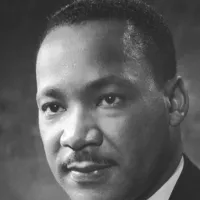
Martin Luther King Jr was a pivotal leader in the...
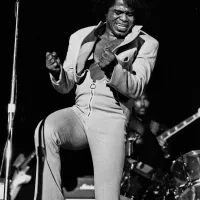
James Brown an iconic American singer songwriter dancer and musician...
Trending
54 minutes ago Diamond Brown Files Paternity Suit Against Chris Brown Over Daughter Lovely
54 minutes ago Nathan Lane Revives 'Death of a Salesman' on Broadway with New Talent
2 hours ago Rachel Zegler's Met Gala Debut: Lady Jane Grey Inspiration and Broadway News
2 hours ago Amanda Bynes' EDM Debut, Weight Loss, and SNL Revelation: A New Chapter
3 hours ago Mitch Johnson defends controversial timeout call in Spurs' loss to Timberwolves, Game 1.
4 hours ago Sacramento Prepares for Scorching Summer Heat, Anticipates Temperature Dip Next Week
Popular

Michael Joseph Jackson the King of Pop was a highly...
Graham Cunningham Platner is an American oyster farmer and Marine...
Melania Trump is a Slovenian-American former model who served as...
Rudy Giuliani is an American politician and disbarred lawyer best...
Elizabeth Warren is a prominent American politician currently serving as...
Paula White-Cain is a prominent American televangelist and key figure...