History of Argentina–Spain relations in Timeline


Argentina–Spain relations are rooted in deep historical, linguistic, and cultural ties stemming from Spain’s colonial presence in the Americas. Following Argentina's independence in the 19th century, the two nations maintained strong diplomatic links, characterized by significant waves of Spanish immigration to Argentina. In the 20th and 21st centuries, the bilateral relationship has been marked by robust economic cooperation, trade, and shared memberships in international organizations like the Ibero-American General Secretariat. While relations have generally remained cordial and collaborative, they have occasionally faced tensions, often triggered by political rhetoric or disputes over nationalized industries—most notably the 2012 expropriation of YPF from the Spanish firm Repsol. Despite these sporadic diplomatic frictions, the bond remains defined by a 'strategic partnership' underpinned by extensive personal, familial, and business connections, ensuring that Spain remains a vital gateway for Argentina into Europe and vice versa.
1910: Donation of the Monument to the Carta Magna and Four Regions of Argentina
In 1910, to commemorate the centenary of the May Revolution, the Spanish community in Argentina donated the Monument to the Carta Magna and Four Regions of Argentina as a gesture of historical and diplomatic connection between the two nations.


1971: Agreement on Cultural Cooperation
In 1971, the two countries entered into an Agreement on Cultural Cooperation to promote and exchange cultural assets and knowledge.
1975: Death of General Franco
In 1975, the death of General Francisco Franco occurred in Spain, marking the beginning of a significant political transition for the nation.
1976: Beginning of Argentine Military Dictatorship
In 1976, Argentina entered into a period of military dictatorship that would persist for several years.
1982: Invasion of the Falkland Islands
In 1982, Argentina initiated an invasion of the Falkland Islands, an action for which Spain expressed support regarding Argentina's territorial claims.
1983: End of Argentine Military Dictatorship
The period of military dictatorship in Argentina, which began in 1976, finally came to an end in 1983.
2012: Nationalization of YPF and Diplomatic Dispute
In 2012, a significant diplomatic dispute occurred between Argentina and Spain when the Argentine government moved to nationalize the energy company YPF, which was owned by the Spanish firm Repsol. The Spanish government cautioned that this action would negatively impact bilateral relations between the two nations.
2012: Declassification of British Documents
In 2012, declassified British documents revealed that Prime Minister Margaret Thatcher had expressed concern in 1982 that Spain might invade Gibraltar in support of Argentina.
May 2014: Quino receives Princess of Asturias Award
In May 2014, the renowned Argentine cartoonist Quino, best known for his iconic comic strip Mafalda, was honored with the Princess of Asturias Award for Communication and Humanities.
2014: Extradition request for Antonio González Pacheco
In 2014, an Argentine judge, María Romilda Servini, formally requested the extradition of former Spanish police inspector Antonio González Pacheco. This move was part of an Argentine legal effort to prosecute criminal acts allegedly committed during the Franco regime. However, the Spanish High Court ultimately refused the request, citing that the statute of limitations for the accusations had already expired.
May 2017: Les Luthiers receives Princess of Asturias Award
In May 2017, the Argentine humorous-musical group Les Luthiers was recognized for their work with the Princess of Asturias Award.
2017: Bilateral Trade Volume and Economic Relations in 2017
In 2017, the economic exchange between Argentina and Spain reached a total of €2.7 billion. Argentina exported commodities such as animal products, frozen fish, crustaceans, sea mussels, copper, and organic chemicals, while Spain provided automobile components, electrical equipment, and pharmaceuticals to the Argentine market. Additionally, major Spanish firms like Banco Bilbao Vizcaya Argentaria, Banco Santander, Mapfre, Telefónica, and Zara maintained operations within Argentina during 2017.
February 2020: Establishment of Twinning Tourist Guide Between Córdoba, Spain and Córdoba, Argentina
In February 2020, a collaborative tourist guide was launched to link the cities of Córdoba in Spain and Córdoba in Argentina. This initiative aims to highlight the shared linguistic and cultural heritage of both cities, moving beyond their shared name to promote tourism and mutual understanding.
December 2020: Gibraltar Agreement
As of 31 December 2020, Spain and the United Kingdom reached a diplomatic agreement regarding the Gibraltar dispute.
June 2021: Spanish Prime Minister Pedro Sánchez visits Argentina
In June 2021, Spanish Prime Minister Pedro Sánchez traveled to Argentina to hold an official meeting with President Alberto Fernández, strengthening diplomatic ties between the two nations.
May 2022: President Alberto Fernández visits Spain
During May 2022, Argentine President Alberto Fernández conducted a formal visit to Spain as part of ongoing bilateral cooperation and diplomacy between the countries.
June 2022: Twinning of Cura Brochero and Santiago de Compostela pilgrimage paths
In June 2022, Argentina and Spain initiated an agreement to twin the pilgrimage paths of Cura Brochero located in Córdoba with the historic Camino de Santiago in Galicia, aiming to foster the exchange of knowledge regarding Christian pilgrimage traditions.
2023: 2023 Argentine presidential election
During the 2023 Argentine presidential election, Pedro Sánchez endorsed the Kircherist candidate Sergio Massa; however, Javier Milei won the election, signaling a departure from the policies of Argentine Peronists and Sánchez.
Mentioned in this timeline

Margaret Hilda Thatcher Baroness Thatcher was a British stateswoman and...
Argentina is a country located in the southern cone of...
Spain officially the Kingdom of Spain is a large country...
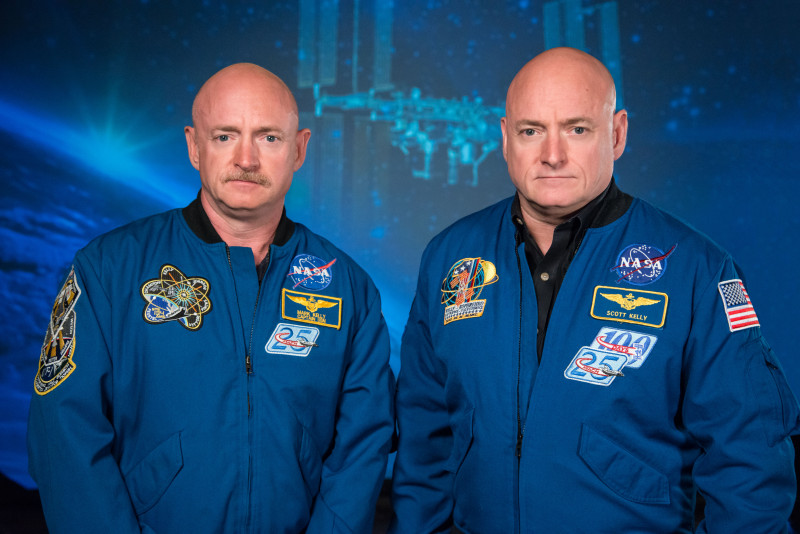
Twins are offspring resulting from the same pregnancy categorized as...
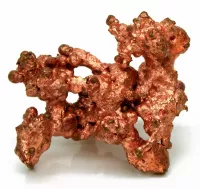
Copper is a chemical element Cu atomic number known for...

An election is a structured decision-making process where a population...
Trending

3 hours ago Cooper Flagg Signs Exclusive 1-of-1 NBA Rookie Debut Patch Card

3 hours ago Connor Bedard Signs Five-Year, $75 Million Contract Extension With Chicago Blackhawks

3 hours ago Chase Hooper Faces Mitch Ramirez in Anticipated UFC Fight Night 281 Matchup
4 hours ago Global Fuel Crisis Intensifies Amidst Refinery Shortages and Geopolitical Tensions
5 hours ago Mets Face Phillies in Highly Anticipated MLB Rivalry Matchup Today

5 hours ago Anthony Rizzo Catches Michael Busch Home Run Ball at Wrigley Field
Popular
Lindsey Graham is a prominent American politician serving as the...

Cristiano Ronaldo widely considered one of the greatest footballers captains...

Mitch McConnell is a prominent American politician and the longest-serving...

Elon Musk is a visionary entrepreneur and engineer known for...

Candace Owens is an American conservative political commentator author and...

Bernie Sanders is a prominent American politician and the senior...