


Impeachment is a formal process where a legislative body brings charges of misconduct against a public official. It's typically reserved for high-ranking officials, like ministers, whose unique positions might shield them from regular legal prosecution or whose misconduct falls outside codified laws but violates the standards of their office. Historically, both commoners and members of the nobility have been subject to impeachment.
1910: Impeachment Scope Limited to Judges
When the Union of South Africa was established in 1910, the only officials who could be impeached were the chief justice and judges of the Supreme Court of South Africa.


1927: Last Impeachment Use
In 1927, impeachment was used for the last time in Norway, with many arguing it has since fallen into disuetude.
1948: Establishment of the Republic of Korea
In 1948, the Republic of Korea was established, marking a significant milestone in Korean history and setting the stage for future political events, including the impeachment of presidents.
1948: Abolishment of peers trial privilege in the House of Lords
In 1948, the privilege of peers to trial only in the House of Lords was abolished.
April 1950: Enactment of "The Law of Impeachment" in Brazil
On 10 April 1950, Article 2 of Law no. 1.079, known as "The Law of Impeachment," was enacted in Brazil, outlining crimes subject to loss of office and disqualification from public function for up to five years.
1961: Impeachment Scope Broadened to State President
In 1961, the impeachment scope was broadened to include the state president when the country became a republic.
1972: Constructive Vote of No Confidence
In 1972, a constructive vote of no confidence against the chancellor occurred, but was unsuccessful.
1974: Resignation of Richard Nixon
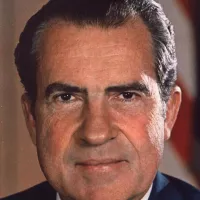
In 1974, President Richard Nixon resigned from office to avoid an impeachment vote.
1976: Cearbhall Ó Dálaigh Resigns
In 1976, after being criticised by a minister, Cearbhall Ó Dálaigh resigned "to protect the dignity and independence of the presidency as an institution", although there was no question of impeachment.
1978: Impeachments in Latin America
Between 1978 and 2019, ten presidents from seven countries in Latin America were removed from office via impeachment or declarations of incapacity by their national legislatures.
1981: Impeachment Scope Broadened to Vice State President
In 1981, the impeachment scope was further broadened to include the new office of vice state president.
1982: Successful Constructive Vote of No Confidence
In 1982, a constructive vote of no confidence against the chancellor occurred, and this one was successful.
September 1987: Tamil Case Family Reunification Applications On Hold
From September 1987 to January 1989, applications for family reunification of Tamil refugees from civil war-torn Sri Lanka were put on hold in violation of Danish and International law.
January 1989: Tamil Case Family Reunification Applications On Hold
From September 1987 to January 1989, applications for family reunification of Tamil refugees from civil war-torn Sri Lanka were put on hold in violation of Danish and International law.
1990: Impeachment charges against heads of state
From 1990 to 2020, there were at least 272 impeachment charges against 132 different heads of state in 63 countries.
1991: Impeachment Term Used
In 1991, Italian press and political forces made use of the term "impeachment" for the attempt by some members of parliamentary opposition to initiate the procedure provided for in Article 90 against Presidents Francesco Cossiga.
1992: Resignation and conviction of Fernando Collor de Mello
In 1992, Fernando Collor de Mello, the 32nd president of Brazil, resigned amidst impeachment proceedings, but the Senate still voted to convict him and bar him from holding any office for eight years due to evidence of bribery and misappropriation.
1992: Senate publishes impeachment process
In 1992, the Brazilian Senate published the step-by-step procedure of the Senate's impeachment process in the Official Diary of the Union, detailing the formation of a special committee and imposing time constraints on the steps taken.
1993: Yeltsin's Role in Russian Constitutional Crisis
In 1999, members of the State Duma of Russia unsuccessfully attempted to impeach President Boris Yeltsin on charges relating to his role in the 1993 Russian constitutional crisis and launching the First Chechen War (1995–96).
1994: Impeachment Scope Further Broadened
In 1994, the impeachment scope was further broadened to include the executive deputy presidents, the public protector, and the Auditor-General.
June 1995: Erik Ninn-Hansen Found Guilty
On 22 June 1995, former Minister of Justice Erik Ninn-Hansen was found guilty of violating the Danish Ministerial Responsibility Act in connection with the Tamil Case and received a suspended sentence.
1995: First Chechen War
In 1999, members of the State Duma of Russia unsuccessfully attempted to impeach President Boris Yeltsin on charges relating to his role in the 1993 Russian constitutional crisis and launching the First Chechen War (1995–96).
1997: Impeachment Scope Includes Commission Members
Since 1997, members of certain commissions established by the Constitution can also be impeached.
1998: Impeachment of Bill Clinton
In 1998, President Bill Clinton faced an impeachment trial in the Senate, which ultimately led to his acquittal.
May 1999: European Court of Human Rights Dismisses Complaint
On 18 May 1999, the European Court of Human Rights dismissed Erik Ninn-Hansen's complaint that the Court of Impeachment was not impartial in his case.
1999: Unsuccessful Impeachment Attempt Against Boris Yeltsin
In 1999, members of the State Duma of Russia unsuccessfully attempted to impeach President Boris Yeltsin on charges relating to his role in the 1993 Russian constitutional crisis and launching the First Chechen War (1995–96).
April 2004: Impeachment of Rolandas Paksas
On 6 April 2004, President Rolandas Paksas was removed from office by impeachment after the Constitutional Court of Lithuania found him guilty of violating his oath and the constitution.
2004: Impeachment of Roh Moo-hyun
In 2004, President Roh Moo-hyun was impeached by the National Assembly of South Korea. This event marked a significant moment in South Korean political history.
May 2007: First Impeachment of Traian Băsescu
President Traian Băsescu was impeached by the Parliament in 2007, and a referendum was held on 19 May 2007, but a large majority of the electorate voted against removing him from office.
2008: Governors Impeached in the US
From 1789 through 2008, 14 governors in the United States have been impeached, including two who were impeached twice.
July 2012: Second Impeachment of Traian Băsescu
President Traian Băsescu was impeached for a second time by the Parliament in July 2012, followed by a referendum on 29 July 2012 that overwhelmingly approved his impeachment, but the referendum was invalidated due to low turnout.
2013: Senate seeks to impeach Václav Klaus
In 2013, members of the Czech Senate sought to impeach President Václav Klaus, but the case was dismissed by the court because his mandate had expired.
2013: Constitutional change regarding impeachment
In 2013, the constitution was changed. Since 2013, the process can be started by at least three-fifths of present senators, and must be approved by at least three-fifths of all members of the Chamber of Deputies within three months. Also, the President can be impeached for high treason or any serious infringement of the Constitution.
2014: Impeachment Term Used
In 2014, Italian press and political forces made use of the term "impeachment" for the attempt by some members of parliamentary opposition to initiate the procedure provided for in Article 90 against Presidents Giorgio Napolitano.
February 2016: Inger Støjberg Decides to Separate Couples
On 10 February 2016, Inger Støjberg decided that an accommodation scheme should apply without exceptions, so that all asylum-seeking spouses and cohabiting couples where one was a minor aged 15–17, had to be separated and accommodated separately in separate asylum centers.
May 2016: Senate approves accusation against President Dilma Rousseff
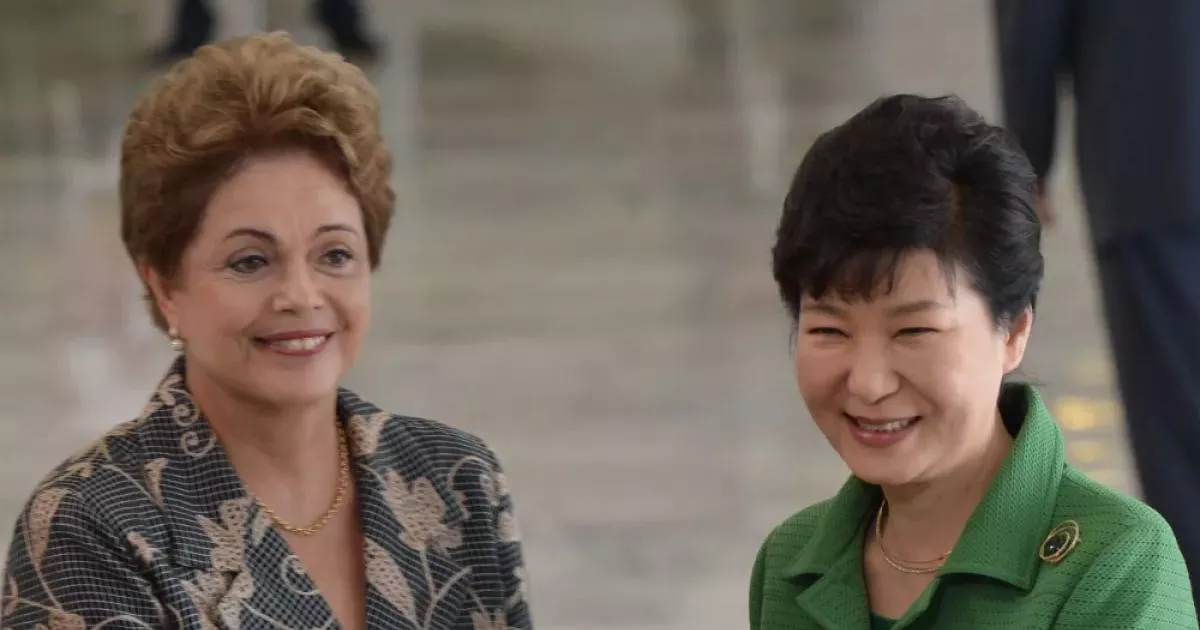
On 12 May 2016, the Senate approved the admissibility of the accusation against President Dilma Rousseff with 55 votes in favor and 22 against, leading to Vice President Michel Temer assuming presidential duties pending trial.
2016: Impeachment of Park Geun-hye
In 2016, President Park Geun-hye was impeached by the National Assembly of South Korea. This event led to her eventual removal from office by the Constitutional Court.
2016: Kuczynski Becomes President
Pedro Pablo Kuczynski was the incumbent President of Peru since 2016.
December 2017: Initiation and Rejection of Impeachment Process Against Pedro Pablo Kuczynski
On 15 December 2017, the Congress of Peru initiated the first impeachment process against President Pedro Pablo Kuczynski. The impeachment request was rejected by the congress on 21 December 2017, for failing to obtain sufficient votes for the deposition.
2018: Impeachment Term Used
In 2018, Italian press and political forces made use of the term "impeachment" for the attempt by some members of parliamentary opposition to initiate the procedure provided for in Article 90 against Presidents Sergio Mattarella.
2019: Impeachments in Latin America
Between 1978 and 2019, ten presidents from seven countries in Latin America were removed from office via impeachment or declarations of incapacity by their national legislatures.
2019: First Impeachment of Donald Trump
In 2019, President Donald Trump was impeached by the House of Representatives, leading to an impeachment trial in the Senate and eventual acquittal.
2019: Senate proposes to impeach Miloš Zeman
In 2019, the Czech Senate proposed to impeach President Miloš Zeman, but the Chamber of Deputies did not vote on the issue in time, preventing the case from proceeding to court.
2020: Impeachment charges against heads of state
From 1990 to 2020, there were at least 272 impeachment charges against 132 different heads of state in 63 countries.
2020: Successful Impeachments
Since Kuczynski's failed impeachment, there have been three successful impeachments between 2020 and 2025, all of which have resulted in the removal of Martín Vizcarra, Pedro Castillo, and Dina Boluarte from office.
February 2021: Impeachment of Judge Lim Seong-geun
In February 2021, Judge Lim Seong-geun of the Busan High Court was impeached by the National Assembly for meddling in politically sensitive trials. This was the first ever impeachment of a judge in Korean history.
February 2021: Impeachment of Inger Støjberg Initiated
In February 2021, an impeachment case was initiated against former Minister for Immigration and Integration Inger Støjberg, alleging violations of Danish and International law regarding the separation of couples in refugee centers.
December 2021: Inger Støjberg Convicted and Sentenced
On 13 December 2021, former Minister for Immigration and Integration Inger Støjberg was convicted by the special Court of Impeachment of illegally separating asylum seeker families and sentenced to 60 days in prison.
2021: Second Impeachment of Donald Trump
In 2021, President Donald Trump was impeached for a second time by the House of Representatives, followed by an acquittal in the Senate.
January 2024: No Impeachment of a President
As of January 2024, no impeachment of a president has ever taken place.
2024: Impeachment of Yoon Suk Yeol
In 2024, President Yoon Suk Yeol was impeached by the National Assembly of South Korea after declaring martial law. He was later removed from office by the Constitutional Court.
December 2025: Upholding Impeachment of Police Commissioner Cho Ji-ho
In December 2025, the Constitutional Court upheld the National Assembly's impeachment of Police Commissioner Cho Ji-ho. He was removed from office by a unanimous 9-0 decision for violating the principles of representative democracy and separation of powers.
2025: U.S. House of Representatives impeachment count
As of 2025, the U.S. House of Representatives had impeached an official 22 times since 1789.
2025: Successful Impeachments
Since Kuczynski's failed impeachment, there have been three successful impeachments between 2020 and 2025, all of which have resulted in the removal of Martín Vizcarra, Pedro Castillo, and Dina Boluarte from office.
Mentioned in this timeline

Donald John Trump is an American politician media personality and...

Bill Clinton served as the nd U S President from...

Martial law is the imposition of military rule in place...
Richard Nixon the th U S President served from -...
Africa is the second-largest and second-most populous continent home to...
Korea is a peninsular region in East Asia comprised of...
Trending

4 hours ago Philadelphia Eagles Tight End Dallas Goedert Prepares for Commanders Matchup

4 hours ago Josh Jacobs Pleads No Contest to Misdemeanor Charges as Records Remain Sealed
4 hours ago Raiders Tight End Michael Mayer Signs Lucrative Three-Year Contract Extension
4 hours ago Tucker Kraft Agrees to Massive Four-Year Contract Extension With Green Bay Packers

4 hours ago Jonathan David on Bench Amid Julian Alvarez Injury Absence for Atletico Madrid vs Real Sociedad
4 hours ago Jauan Jennings Highlighted in Vikings Week 1 Season Preview and Roster Analysis
Popular

Ken Paxton is an American politician and lawyer serving as...

Kevin Durant KD is an American professional basketball player considered...

Michael Joseph Jackson the King of Pop was a highly...

JD Vance is an American politician author and venture capitalist...

Dolly Parton is a celebrated American singer-songwriter actress philanthropist and...

Charlie Kirk was a prominent American right-wing political activist entrepreneur...