


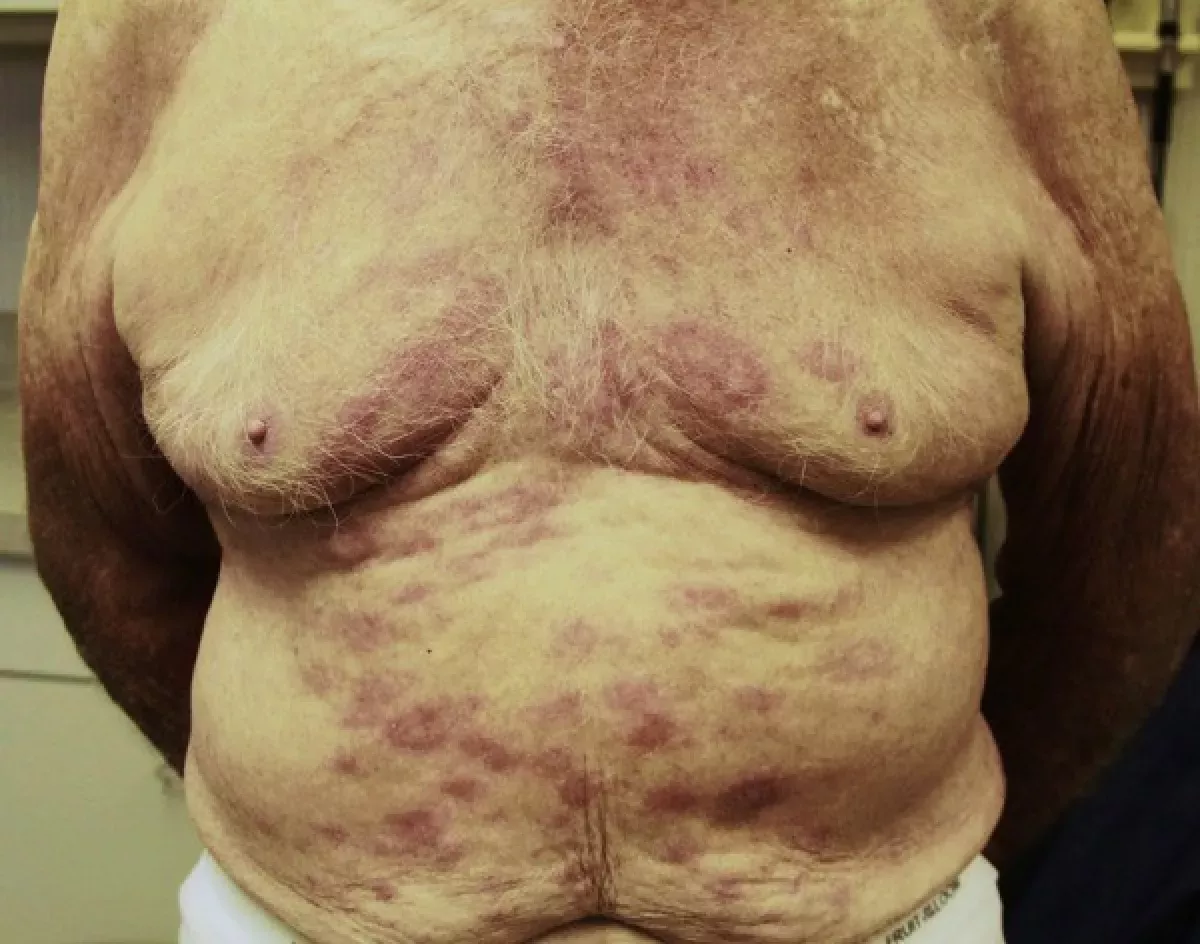
Leprosy, or Hansen's disease, is a chronic bacterial infection caused by Mycobacterium leprae or Mycobacterium lepromatosis. It primarily affects the nerves, skin, respiratory tract, and eyes. Nerve damage is a hallmark of leprosy, often leading to numbness, muscle weakness, and loss of sensation. This can result in injuries going unnoticed and potentially causing disabilities. Symptoms are slow to develop, ranging from one to twenty years or more. Early detection and treatment are crucial to prevent irreversible nerve damage and disability.
1915: Alice Ball Discovers Water-Soluble Chaulmoogra Oil Treatment
In 1915, Alice Ball, the first Black woman to graduate from the University of Hawai'i with a masters in chemistry, made a significant breakthrough by discovering a method to make chaulmoogra oil water-soluble, leading to improved treatments for Hansen's disease.


1941: Promin Trials at Carville
In 1941, a significant milestone occurred at Carville when 22 patients participated in trials for a new drug called promin. The results were remarkably positive, described as miraculous, marking a turning point in leprosy treatment. This breakthrough paved the way for the development of dapsone, an even more effective medication in combating leprosy.
1954: World Leprosy Day Established
World Leprosy Day was established in 1954 to raise awareness about leprosy and combat the stigma surrounding the disease.
1955: The National Leprosarium at Carville
In 1955, the National Leprosarium at Carville, Louisiana, served as the sole leprosy hospital in the mainland United States. Due to limited knowledge about leprosy transmission and prevalent stigma, patients from across the country were sent to Carville for isolation and treatment. The institution gained recognition for its pioneering work in reconstructive surgery for leprosy patients.
1981: WHO Recommends Multi-Drug Therapy for Leprosy
In a significant advancement in leprosy treatment, the World Health Organization recommended multi-drug therapy (MDT) in 1981, combining three antileprosy drugs for increased effectiveness.
1983: Leprosy Incidence Peak in the US
Leprosy incidence in the United States reached its highest point in 1983.
1983: Repeal of the Leprosy Act and Shift in India's Approach
The year 1983 marked a turning point in India's approach to leprosy as the government repealed the Leprosy Act of 1898, which had mandated the segregation of individuals with leprosy, and shifted its focus from surveillance to treatment with the National Leprosy Elimination Programme.
1994: Start of a Period of High Leprosy Cure Rate
The period from 1994 to 2014 marked a time when 16 million people worldwide were cured of leprosy.
1995: WHO Initiative Provides Free Multi-drug Therapy
Between 1995 and 1999, a WHO initiative, supported by the Nippon Foundation, provided free multi-drug therapy to all countries where leprosy was endemic.
1999: End of Initial WHO Initiative for Free Multi-drug Therapy
This year marked the end of the initial WHO initiative, supported by the Nippon Foundation, to provide free multi-drug therapy to all countries where leprosy was endemic.
2000: Slow Rise in Leprosy Cases
After a significant decline, the number of leprosy cases began to rise again slowly in 2000.
2000: WHO Extends Free Multi-drug Therapy Provision
The WHO extended its program offering free multi-drug therapy for leprosy in 2000.
2005: Genetic Tracing of Leprosy Origins
In 2005, geneticists used comparative genomics to trace the origins of leprosy back to East Africa or the Near East, suggesting its spread coincided with human migration patterns.
2005: WHO Extends Free Multi-drug Therapy Provision
The WHO extended its program offering free multi-drug therapy for leprosy in 2005.
2008: Discovery of M. Lepromatosis
In 2008, scientists identified a new mycobacterium, M. lepromatosis, as a cause of leprosy. This bacterium is clinically indistinguishable from M. leprae.
2009: Oldest Evidence of Leprosy Found in Skeletal Remains
Skeletal remains discovered in 2009 in India provided the oldest documented evidence of leprosy, dating back to the 2nd millennium BC.
2010: WHO Extends Free Multi-drug Therapy Provision
The WHO extended its program offering free multi-drug therapy for leprosy in 2010.
2014: End of a Period of High Leprosy Cure Rate
This year marked the end of a period from 1994 to 2014 when 16 million people worldwide were cured of leprosy.
October 2015: WHO and Novartis Extend Free Multi-Drug Therapy Provision
In October 2015, the WHO and Novartis, a pharmaceutical company, extended their agreement to provide free multi-drug therapy for leprosy to all endemic countries until the end of 2025, ensuring continued access to treatment.
November 2016: Leprosy Discovered in Red Squirrels
In November 2016, scientists discovered that red squirrels in Great Britain carried leprosy.
2016: WHO Launches Global Leprosy Strategy
In 2016, the World Health Organization (WHO) launched the "Global Leprosy Strategy 2016–2020: Accelerating towards a leprosy-free world" with the goal of eliminating leprosy. The strategy aimed to reduce the proportion of leprosy patients to less than one case per 10,000 population. It emphasized integrating leprosy treatment into public health services, ensuring effective diagnosis and treatment, and improving access to information.
2017: LepVax Clinical Trials Begin
A new vaccine specifically designed for leprosy, called LepVax, entered clinical trials in 2017.
2017: Leprosy DNA Found in Pre-Norman Era Skull
Researchers found DNA from a strain of Mycobacterium leprae in a pre-Norman era skull excavated in Hoxne, Suffolk, in 2017. This strain closely resembled that found in modern red squirrels.
2017: Slight Increase in New Leprosy Cases Recorded
The year 2017 saw a slight increase in new leprosy cases compared to the year 2018, with slightly more than 208,619 cases recorded.
2018: WHO Recommendation on BCG Vaccine for Leprosy
In 2018, the WHO recommended the BCG vaccine for people living in countries with a high incidence of tuberculosis and those in close contact with individuals diagnosed with leprosy.
2018: Slight Decrease in New Leprosy Cases Recorded
The year 2018 saw a slight decrease in new leprosy cases compared to the previous year, with 208,619 new cases recorded.
2019: Decrease in New Leprosy Cases in India and Removal of Divorce Law
In 2019, India recorded a decrease in new leprosy cases, reporting 114,451 patients, representing 57% of global cases. Additionally, a law allowing divorce based on a spouse's leprosy diagnosis was abolished.
2020: Decline in Leprosy Disease Burden
By 2020, a 45% reduction in the global leprosy disease burden was achieved due to increased availability and use of multidrug therapy, highlighting the effectiveness of this treatment approach.
2020: Global Leprosy Cases Decrease Significantly
By 2020, the number of leprosy cases globally decreased to fewer than 200,000, a significant drop from 5.2 million cases in the 1980s.
2020: Leprosy Cases Reported in the US
In 2020, there were 159 reported cases of leprosy in the United States.
2020: Encouraging Results Reported for LepVax Trials
Initial results from the LepVax clinical trials, published in 2020, showed promising outcomes for the development of the first leprosy-specific vaccine.
2025: End Date for WHO and Novartis Free Multi-Drug Therapy Provision
As per the agreement between the WHO and Novartis, the provision of free multi-drug therapy for leprosy to all endemic countries is set to continue until the end of 2025.
Mentioned in this timeline
India officially the Republic of India is a South Asian...
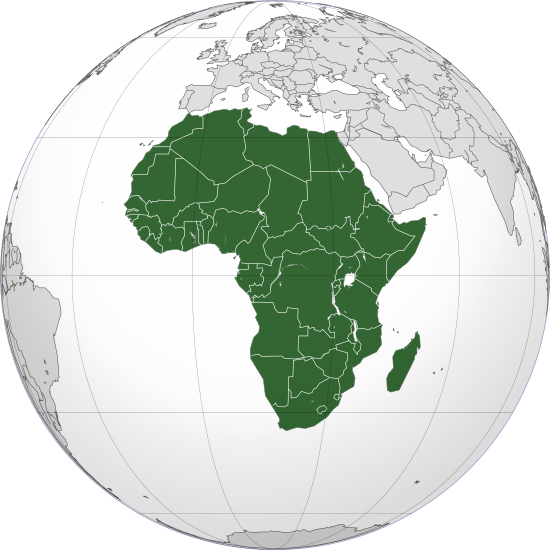
Africa is the second-largest and second-most populous continent home to...

The World Health Organization WHO is a specialized agency of...

Indonesia is a Southeast Asian and Oceanian country situated between...
Brazil is the largest country in South America and the...
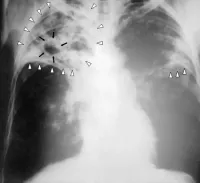
Tuberculosis TB historically known as consumption is a contagious disease...
Trending

3 hours ago Cornell University Bans Fraternity Parties Following Severe Sexual Assault Allegations

4 hours ago Harrison Ford Transforms Jackson Hole Ranch Into Dedicated Wildlife Sanctuary

4 hours ago Danny Trejo Addresses Backlash Over Daily Wire ICE Movie Casting

8 days ago Muchova and Osaka Clash in High-Stakes WTA Beijing Fourth Round Matchup
5 hours ago Fed Official John Williams Debates Potential Interest Rate Adjustments for 2027
5 hours ago Apple Prepares to Debut New iPad Mini and Touchscreen MacBook in Late October
Popular

Ken Paxton is an American politician and lawyer serving as...

Ilhan Omar is a prominent American politician currently serving as...

Jameis Winston is an American football quarterback currently playing for...

Cristiano Ronaldo widely considered one of the greatest footballers captains...

Michael Joseph Jackson the King of Pop was a highly...

Kimberly Guilfoyle is an American television personality and former prosecutor...