Career Timeline of Arnold Schwarzenegger and LGBTQ rights: Major Achievements and Milestones


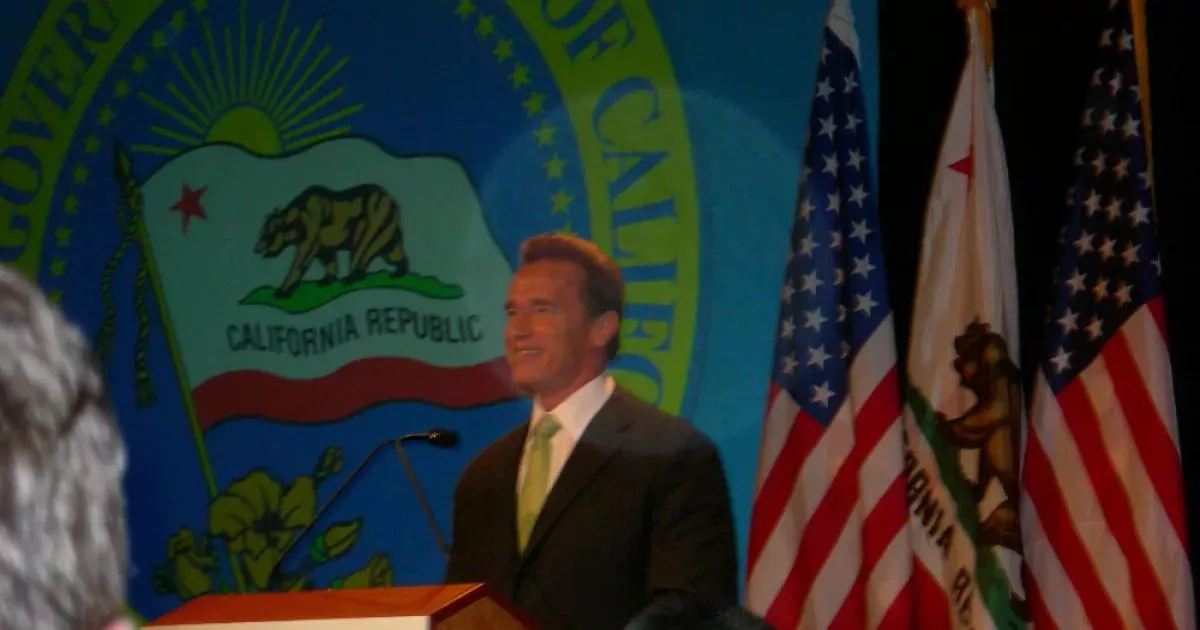
Discover the career path of Arnold Schwarzenegger and LGBTQ rights, from the first major opportunity to industry-changing achievements.
Arnold Schwarzenegger's record on LGBTQ rights presents a nuanced picture. While he opposed same-sex marriage during his time as Governor of California, he also supported other LGBTQ rights legislation, notably civil unions. His stance reflected a common political position at the time, distinguishing between marriage and other forms of legal recognition for same-sex relationships. Despite opposing same-sex marriage, Schwarzenegger signed several bills into law that provided protections and rights to the LGBTQ community in California. This mixed record demonstrates a complex approach to LGBTQ issues during his political career.
March 1, 2003: SB 1193 Death Benefit Retroactive Date
SB 1193, signed into law on September 27, 2004, providing a $10,000 death benefit to the surviving spouse or designated beneficiary of state military reserve members, was made retroactive to March 1, 2003.


February 2004: Schwarzenegger Opposes Same-Sex Marriages but Supports Civil Unions
In February 2004, Governor Schwarzenegger opposed San Francisco Mayor Gavin Newsom's order to allow same-sex marriages, stating it exceeded the mayor's powers. However, he also expressed support for gay rights and a law to grant civil unions to gay couples.
March 31, 2004: Governor Schwarzenegger Issues Executive Order S-6-04
On March 31, 2004, Governor Schwarzenegger issued Executive Order S-6-04, which mandates that all state agencies, departments, boards, and commissions must recruit, appoint, train, evaluate, and promote state personnel based on merit and fitness, without considering factors like age, race, sexual orientation, or religion.
September 13, 2004: Schwarzenegger Signs California Insurance Equality Act
On September 13, 2004, Governor Schwarzenegger signed the California Insurance Equality Act into law. This act expanded California's domestic partnership registry to require health insurers to provide equal coverage to registered domestic partners of employees, subscribers, insured individuals, or policyholders, mirroring the coverage provided to spouses.
September 23, 2004: Schwarzenegger Signs Omnibus Hate Crimes Bill
On September 23, 2004, Governor Schwarzenegger signed the Omnibus Hate Crimes Bill into law. This bill defines the legal term "hate crime" for all state and local agencies, promotes the establishment of local law enforcement hate-crime protocols, and enhances hate crime awareness training for law enforcement officers.
September 25, 2004: Schwarzenegger Signs Omnibus Labor & Employment Non-Discrimination Bill
On September 25, 2004, Governor Schwarzenegger signed the Omnibus Labor & Employment Non-Discrimination Bill into law. This bill unified all state anti-discrimination codes to align with the California Fair Employment and Housing Act, adding sexual orientation and gender identity anti-discrimination protections to various codes.
September 27, 2004: Schwarzenegger Signs SB 1193
On September 27, 2004, Governor Schwarzenegger signed SB 1193 into law, a bill providing a $10,000 death benefit to the surviving spouse or designated beneficiary of state military reserve members. This bill retroactively allowed LGBT partners of military personnel to be listed as designated beneficiaries.
September 29, 2004: Schwarzenegger Vetoes AB 1520 and Signs Domestic Partner Technical Clean-up Bill
On September 29, 2004, Governor Schwarzenegger vetoed AB 1520, which would have established the California Veterans Memorial Commission. However, on the same day, he signed the Domestic Partner Technical Clean-up Bill into law, making technical changes to the California Domestic Partner Rights & Responsibilities Act.
January 1, 2005: California Insurance Equality Act Implementation
On January 1, 2005, the policies, health care service plans, and health insurance policies issued, amended, delivered, or renewed in California, started providing registered domestic partner coverage equal to that provided to spouses, following the enactment of the California Insurance Equality Act.
January 2, 2005: California Insurance Equality Act Implementation
On January 2, 2005, the policies, health care service plans, and health insurance policies issued, amended, delivered, or renewed in California, started providing registered domestic partner coverage equal to that provided to spouses, following the enactment of the California Insurance Equality Act.
July 25, 2005: Schwarzenegger Signs AB 378
On July 25, 2005, Governor Schwarzenegger signed AB 378 into law, extending the statute of limitations from two to three years for filing civil claims against hate crimes perpetrators or civil rights violators acting under the color of law.
September 6, 2005: Schwarzenegger Vetoes the Code of Fair Campaign Practices
On September 6, 2005, Governor Schwarzenegger vetoed the Code of Fair Campaign Practices, a bill that would have added sexual orientation to a voluntary list of prohibited topics in political campaign advertising.
September 29, 2005: Schwarzenegger Vetoes AB 849 and Signs Civil Rights Act of 2005
On September 29, 2005, Governor Schwarzenegger vetoed AB 849, a bill that would have legalized same-sex marriage in California. On the same day, he signed the Civil Rights Act of 2005 into law, which expanded the Unruh Civil Rights Act to further prohibit discrimination based on sex/gender, sexual orientation, and marital status in public accommodations.
October 7, 2005: Schwarzenegger Signs AB 1669
On October 7, 2005, Governor Schwarzenegger signed AB 1669 into law, extending the statute of limitations for filing an administrative complaint in employment discrimination cases until one year from the date that a victim attains the age of majority.
August 28, 2006: Schwarzenegger Signs Nondiscrimination in State Programs and Activities Act
On August 28, 2006, Governor Schwarzenegger signed the Nondiscrimination in State Programs and Activities Act into law, a bill prohibiting discrimination based on sexual orientation and gender identity in state-operated or funded services, activities, and programs.
September 6, 2006: Schwarzenegger Vetoes SB 1437
On September 6, 2006, Governor Schwarzenegger vetoed SB 1437, a bill that would have amended the Education Code to prohibit discrimination based on sexual orientation and gender identity in textbooks, classroom instruction, and school-sponsored activities.
September 28, 2006: Schwarzenegger Signs Gwen Araujo Justice for Victims Act
On September 28, 2006, Governor Schwarzenegger signed the Gwen Araujo Justice for Victims Act, affirming that the use of panic defense by criminal defendants to appeal to juror bias is against public policy. He also signed the Code of Fair Campaign Practices, including a pledge against appealing to negative prejudices based on sexual orientation or gender identity.
September 29, 2006: Schwarzenegger Signs State Income Tax Equity Act and Vetoes AB 1056 and SB 1471
On September 29, 2006, Governor Schwarzenegger signed the State Income Tax Equity Act, requiring couples registered as California domestic partners to file their state income taxes as married couples. He also vetoed AB 1056 and SB 1471.
September 30, 2006: Schwarzenegger Signs AB 2051 and AB 2920
On September 30, 2006, Governor Schwarzenegger signed AB 2051, establishing a fee for domestic partner registration to support training for LGBT domestic abuse support service providers, and AB 2920, including senior LGBT Californians in the Mello-Granlund Older Californians Act.
2006: SB 565 Implementation
Commencing with the lien date for the 2006-07 fiscal year, SB 565 excludes from the definition of "change in ownership" any transfer of property between registered domestic partners and would provide that, notwithstanding Section 2229 of the Revenue and Taxation Code, no appropriation is made and the state shall not reimburse local agencies for property tax revenues lost by them pursuant to the bill.
October 10, 2007: Schwarzenegger Signs SB 105
On October 10, 2007, Governor Schwarzenegger signed SB 105 into law, a follow-up bill re DP joint state income tax filing clarifying that a Registered Domestic Partner (RDP) or a former RDP would be treated as a spouse or former spouse for personal income tax and corporation tax purposes.
October 12, 2007: Schwarzenegger's Actions on LGBTQ+ Rights Legislation
On October 12, 2007, Governor Schwarzenegger vetoed the Religious Freedom & Civil Marriage Protection Act, which aimed to legalize same-sex marriage in California. On the same day, he signed the Civil Rights Act of 2007 into law, reinforcing non-discrimination sections within California Codes. He also signed AB 102, enabling name changes on marriage licenses or domestic partnership certificates, AB 394, mandating school assessments for anti-discrimination compliance, SB 559, allowing reassessment reversals for registered domestic partners' property, and SB 777, updating California's Education Code to ensure uniformity in non-discrimination policies across publicly funded schools.
October 13, 2007: Schwarzenegger Signs and Vetoes LGBTQ+ Related Bills
On October 13, 2007, Governor Schwarzenegger signed AB 629, mandating state-funded sex education programs to be medically accurate and unbiased, and SB 518, enacting the Youth Bill of Rights to protect LGBT youth in the juvenile justice system. On the same day, he vetoed SB 549, which proposed bereavement leave for employees upon the death of a family member or domestic partner, SB 727, which would have conformed the unpaid family leave law to include care for ill domestic partners and expand the definition of family leave, and SB 836l, which aimed to add familial status to non-discrimination bases under the Fair Employment & Housing Act (FEHA).
July 22, 2008: Schwarzenegger Signs AB 2673
On July 22, 2008, Governor Schwarzenegger signed AB 2673, which conforms provisions of the County Employees' Retirement Law of 1937 to be consistent with the provisions of the California Domestic Partnership Act of 2003.
September 28, 2008: Schwarzenegger on Civil Rights and Discrimination Training
On September 28, 2008, Governor Schwarzenegger vetoed AB 2874, which would have removed the $150,000 limitation on actual damages assessed by the California Fair Employment and Housing Commission against a respondent who violates the California Civil Rights Act of 2005. On the same day, he signed SB 1729, mandating that healthcare workers in skilled nursing facilities participate in a training program focusing on preventing and eliminating discrimination based on sexual orientation and gender identity.
September 30, 2008: Schwarzenegger's Decisions on LGBTQ+ Related Bills
On September 30, 2008, Governor Schwarzenegger vetoed AB 2567, which would have declared May 22 as Harvey Milk State Holiday and designated it as a special day in public schools. On the same day, he signed AB 2654 into law, conforming statutory code provisions prohibiting discrimination in specific government and business operations, and AB 3015, requiring additional training for foster care providers on the safety of foster youth, including the California Student Safety and Violence Prevention Act of 2000. He also vetoed SB 153, which would have excluded certain property transfers from tax reassessment, and SB 1661, which would have provided that an individual shall be deemed to have left their most recent work with good cause if the individual's employment is terminated as a result of the individual's taking a qualifying leave under the family temporary disability insurance program.
October 11, 2009: Schwarzenegger's actions regarding LGBTQ+ rights
On October 11, 2009, Governor Schwarzenegger signed SB 54 into law, which recognizes same-sex couples as being married if they married outside of California before Proposition 8 went into effect and would also give same-sex couples who married elsewhere after Proposition 8 went into effect the same rights as heterosexual couples, except for the designation of marriage. Also that day, he vetoed AB 115, AB 382, AB 772, AB 985, AB 1185. Also that same day, he signed AB 1003 into law, which expands access for LGBT service providers to a state fund that supports LGBT-specific domestic violence programs across the state and is subsidized by a $23 fee on new domestic partner registrations. Also that same day, he signed SB 273, which changes the definition of domestic violence to mean the infliction or threat of physical harm against past or present adult or adolescent intimate partners, to include physical, sexual, and psychological abuse against the partner, that is a part of a pattern of assaultive, coercive, and controlling behaviors directed at achieving compliance from, or control over, that partner. Also that same day, he signed SB 572, which requires the governor to proclaim May 22 each year as Harvey Milk Day. Also that same day, SB 739, which prohibits the spouse or domestic partner of an elected officer or a candidate for elective office from receiving compensation from campaign funds held by a controlled committee of the elected officer or candidate for services rendered in connection with fundraising for the benefit of the elected officer or candidate.
September 23, 2010: Governor Vetoes AB 633
On September 23, 2010, Governor Schwarzenegger vetoed AB 633, which would have required the California Department of Corrections and Rehabilitation (CDCR) to consider sexual orientation and gender identity when classifying inmates in order to prevent sexual violence.
September 27, 2010: Schwarzenegger's Actions on LGBTQ+ Related Laws
On September 27, 2010, Governor Schwarzenegger signed AB 2199 into law, repealing a section of the California Welfare and Institutions code that directed research into the "causes and cures of homosexuality." Also that same day, he signed AB 2700 into law, which creates a consolidated form and procedure to dissolve both a civil marriage and domestic partnership at the same time.
September 30, 2010: Schwarzenegger Vetoes AB 1680 and SB 906
On September 30, 2010, Governor Schwarzenegger vetoed AB 1680, which would have prohibited contracts from requiring a person to waive their legal rights and procedures under civil rights laws regarding bias-motivated violence and hate crimes. Also that same day, he vetoed SB 906, which would specify that no priest, minister, rabbi, or authorized person of any religious denomination would be required to solemnize a marriage contrary to their faith.
2051: AB 2051
On September 30, 2006, Governor Schwarzenegger signed AB 2051, establishing a fee for domestic partner registration to support training for LGBT domestic abuse support service providers, and AB 2920, including senior LGBT Californians in the Mello-Granlund Older Californians Act.
Mentioned in this timeline
Gavin Newsom is an American politician and businessman currently serving...
California is a U S state on the Pacific Coast...

San Francisco is the fourth-most populous city in California and...
Harvey Milk was a pioneering American politician and activist He...

Trains are a connected series of vehicles traveling on railway...
Justice in its broadest sense is the concept of treating...
Trending
4 hours ago Pilot Killed in Mosquito Control Helicopter Crash in Myakka City
1 day ago Niklas Nørgaard Leads Opening Round of DP World India Championship Amid Weather Delays

3 days ago Sports Fans Criticize Sydney Sweeney Gambling Advertisements During MLB Playoffs

5 hours ago NAZA Documentary on Gaza War Sparks International Controversy and Debate

5 hours ago Sonay Kartal Advances to Wuhan Open Semi-Finals

5 hours ago Alexander Zverev Advances to Competitive Shanghai Masters Tennis Semi-Finals
Popular

Ilhan Omar is a prominent American politician currently serving as...

Ken Paxton is an American politician and lawyer serving as...

Elon Musk is a visionary entrepreneur and engineer known for...

Michael Joseph Jackson the King of Pop was a highly...

Jameis Winston is an American football quarterback currently playing for...

Cristiano Ronaldo widely considered one of the greatest footballers captains...