Arnold Schwarzenegger and LGBTQ rights's Success and Achievements in Timeline


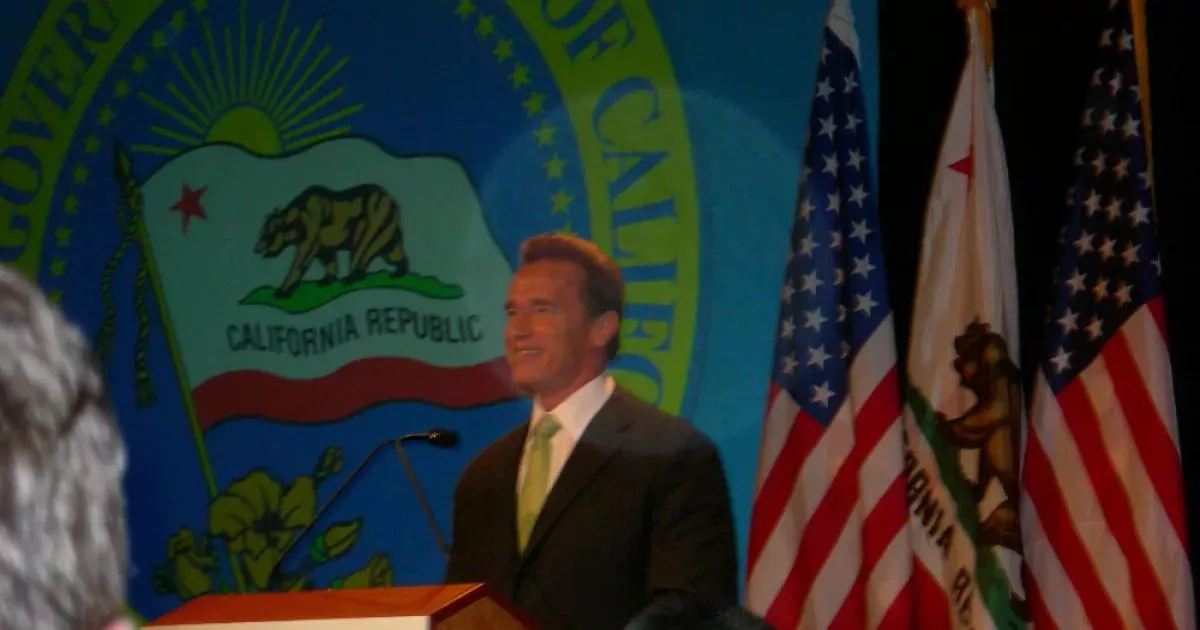
A success timeline featuring the most significant achievements of Arnold Schwarzenegger and LGBTQ rights.
Arnold Schwarzenegger's record on LGBTQ rights presents a nuanced picture. While he opposed same-sex marriage during his time as Governor of California, he also supported other LGBTQ rights legislation, notably civil unions. His stance reflected a common political position at the time, distinguishing between marriage and other forms of legal recognition for same-sex relationships. Despite opposing same-sex marriage, Schwarzenegger signed several bills into law that provided protections and rights to the LGBTQ community in California. This mixed record demonstrates a complex approach to LGBTQ issues during his political career.
March 1, 2003: SB 1193 Death Benefit Retroactive Date
SB 1193, signed into law on September 27, 2004, providing a $10,000 death benefit to the surviving spouse or designated beneficiary of state military reserve members, was made retroactive to March 1, 2003.


March 31, 2004: Governor Schwarzenegger Issues Executive Order S-6-04
On March 31, 2004, Governor Schwarzenegger issued Executive Order S-6-04, which mandates that all state agencies, departments, boards, and commissions must recruit, appoint, train, evaluate, and promote state personnel based on merit and fitness, without considering factors like age, race, sexual orientation, or religion.
September 13, 2004: Schwarzenegger Signs California Insurance Equality Act
On September 13, 2004, Governor Schwarzenegger signed the California Insurance Equality Act into law. This act expanded California's domestic partnership registry to require health insurers to provide equal coverage to registered domestic partners of employees, subscribers, insured individuals, or policyholders, mirroring the coverage provided to spouses.
September 23, 2004: Schwarzenegger Signs Omnibus Hate Crimes Bill
On September 23, 2004, Governor Schwarzenegger signed the Omnibus Hate Crimes Bill into law. This bill defines the legal term "hate crime" for all state and local agencies, promotes the establishment of local law enforcement hate-crime protocols, and enhances hate crime awareness training for law enforcement officers.
September 25, 2004: Schwarzenegger Signs Omnibus Labor & Employment Non-Discrimination Bill
On September 25, 2004, Governor Schwarzenegger signed the Omnibus Labor & Employment Non-Discrimination Bill into law. This bill unified all state anti-discrimination codes to align with the California Fair Employment and Housing Act, adding sexual orientation and gender identity anti-discrimination protections to various codes.
September 27, 2004: Schwarzenegger Signs SB 1193
On September 27, 2004, Governor Schwarzenegger signed SB 1193 into law, a bill providing a $10,000 death benefit to the surviving spouse or designated beneficiary of state military reserve members. This bill retroactively allowed LGBT partners of military personnel to be listed as designated beneficiaries.
January 1, 2005: California Insurance Equality Act Implementation
On January 1, 2005, the policies, health care service plans, and health insurance policies issued, amended, delivered, or renewed in California, started providing registered domestic partner coverage equal to that provided to spouses, following the enactment of the California Insurance Equality Act.
January 2, 2005: California Insurance Equality Act Implementation
On January 2, 2005, the policies, health care service plans, and health insurance policies issued, amended, delivered, or renewed in California, started providing registered domestic partner coverage equal to that provided to spouses, following the enactment of the California Insurance Equality Act.
July 25, 2005: Schwarzenegger Signs AB 378
On July 25, 2005, Governor Schwarzenegger signed AB 378 into law, extending the statute of limitations from two to three years for filing civil claims against hate crimes perpetrators or civil rights violators acting under the color of law.
September 29, 2005: Schwarzenegger Vetoes AB 849 and Signs Civil Rights Act of 2005
On September 29, 2005, Governor Schwarzenegger vetoed AB 849, a bill that would have legalized same-sex marriage in California. On the same day, he signed the Civil Rights Act of 2005 into law, which expanded the Unruh Civil Rights Act to further prohibit discrimination based on sex/gender, sexual orientation, and marital status in public accommodations.
October 7, 2005: Schwarzenegger Signs AB 1669
On October 7, 2005, Governor Schwarzenegger signed AB 1669 into law, extending the statute of limitations for filing an administrative complaint in employment discrimination cases until one year from the date that a victim attains the age of majority.
August 28, 2006: Schwarzenegger Signs Nondiscrimination in State Programs and Activities Act
On August 28, 2006, Governor Schwarzenegger signed the Nondiscrimination in State Programs and Activities Act into law, a bill prohibiting discrimination based on sexual orientation and gender identity in state-operated or funded services, activities, and programs.
September 28, 2006: Schwarzenegger Signs Gwen Araujo Justice for Victims Act
On September 28, 2006, Governor Schwarzenegger signed the Gwen Araujo Justice for Victims Act, affirming that the use of panic defense by criminal defendants to appeal to juror bias is against public policy. He also signed the Code of Fair Campaign Practices, including a pledge against appealing to negative prejudices based on sexual orientation or gender identity.
September 29, 2006: Schwarzenegger Signs State Income Tax Equity Act and Vetoes AB 1056 and SB 1471
On September 29, 2006, Governor Schwarzenegger signed the State Income Tax Equity Act, requiring couples registered as California domestic partners to file their state income taxes as married couples. He also vetoed AB 1056 and SB 1471.
September 30, 2006: Schwarzenegger Signs AB 2051 and AB 2920
On September 30, 2006, Governor Schwarzenegger signed AB 2051, establishing a fee for domestic partner registration to support training for LGBT domestic abuse support service providers, and AB 2920, including senior LGBT Californians in the Mello-Granlund Older Californians Act.
October 10, 2007: Schwarzenegger Signs SB 105
On October 10, 2007, Governor Schwarzenegger signed SB 105 into law, a follow-up bill re DP joint state income tax filing clarifying that a Registered Domestic Partner (RDP) or a former RDP would be treated as a spouse or former spouse for personal income tax and corporation tax purposes.
2051: AB 2051
On September 30, 2006, Governor Schwarzenegger signed AB 2051, establishing a fee for domestic partner registration to support training for LGBT domestic abuse support service providers, and AB 2920, including senior LGBT Californians in the Mello-Granlund Older Californians Act.
Mentioned in this timeline

Gavin Newsom is an American politician and businessman currently serving...
California is a U S state on the Pacific Coast...

San Francisco is the fourth-most populous city in California and...
Harvey Milk was a pioneering American politician and activist He...

Trains are a connected series of vehicles traveling on railway...

Justice in its broadest sense is the concept of treating...
Trending

4 hours ago NAZA Documentary on Gaza War Sparks International Controversy and Debate

4 hours ago Sonay Kartal Advances to Wuhan Open Semi-Finals

4 hours ago Alexander Zverev Advances to Competitive Shanghai Masters Tennis Semi-Finals

5 hours ago Riot Games Announces VCT 2027 Global Tour and Manila Pacific Cup Host

6 hours ago Denzel Washington's Historic Colonial Revival Mansion In Los Angeles
6 hours ago Steve Kerr Advises Warriors Fans on Managing Expectations for Steph Curry's Playing Schedule
Popular

Ilhan Omar is a prominent American politician currently serving as...

Ken Paxton is an American politician and lawyer serving as...

Elon Musk is a visionary entrepreneur and engineer known for...

Michael Joseph Jackson the King of Pop was a highly...

Jameis Winston is an American football quarterback currently playing for...

Cristiano Ronaldo widely considered one of the greatest footballers captains...