


Kenmore Air is a prominent airline and seaplane operator based in the Pacific Northwest, headquartered in Kenmore, Washington. Founded in 1946 by Bob Munro, the company has become one of the largest and most well-known seaplane operators in the world. It provides vital transportation services, primarily connecting the Seattle metropolitan area with various destinations across the San Juan Islands, the Gulf Islands, and coastal British Columbia. Operating a diverse fleet that includes De Havilland Beaver and Otter aircraft, Kenmore Air serves as both a commuter airline and a popular choice for scenic flightseeing tours. In addition to its flight operations, the company maintains a comprehensive maintenance and restoration facility, specializing in the upkeep and refurbishing of classic floatplanes. Over its decades of service, Kenmore Air has established itself as an iconic regional transportation fixture, celebrated for its unique ability to land on water and provide access to remote Pacific Northwest locales.
March 21, 1946: Establishment of Kenmore Air Harbor
On March 21, 1946, Kenmore Air Harbor was officially established and commenced flight operations using a single Aeronca Model K seaplane from a facility on the north end of Lake Washington.


July 1946: Death of pilot Jack Mines
In July 1946, Kenmore Air pilot Jack Mines tragically died while transporting supplies to a search and rescue team operating in the Cascade mountains, leading to a shift in company ownership.
1953: Mining camp logistics support for Leduc Glacier
In 1953, Kenmore Air was contracted by a Canadian mining company to transport construction equipment and tools to a new mining camp situated on Leduc Glacier, located fifty miles north of Ketchikan, Alaska, using a fleet of three aircraft over a two-month period.
1963: First de Havilland Canada DHC-2 Beaver Acquisition
In 1963, Kenmore Air purchased its first de Havilland Canada DHC-2 Beaver seaplane, initiating a maintenance and modification program that would turn the aircraft into a cornerstone of the company's fleet.
1967: Establishment as Leading Beaver Refurbisher
Following the cessation of production of the de Havilland Canada DHC-2 Beaver in 1967, Kenmore Air emerged as a primary refurbisher, eventually creating the renowned 'Kenmore Beaver' modification standard.
1988: Sale of Seattle-Victoria Route
In 1988, Kenmore Air sold its Seattle to Victoria, BC seaplane route to its competitor, Lake Union Air, after operating the service for two years.
1992: Acquisition of Lake Union Air
In 1992, Kenmore Air completed the purchase of its main competitor, Lake Union Air, which included the acquisition of a seaplane terminal located on Lake Union.
1993: Acquisition of Lake Union Air Service
In 1993, Kenmore Air expanded its business operations by successfully acquiring Lake Union Air Service.
1997: Plans for Elliott Bay Operations
During 1997, Kenmore Air formulated plans to initiate seaplane service from Elliott Bay, located along the downtown Seattle waterfront.
1999: Abandonment of Elliott Bay Expansion
In the fall of 1999, Kenmore Air officially cancelled its proposed expansion into Elliott Bay due to significant pushback from the local community.
October 2000: Passing of Robert Munro and Ownership Transition
In October 2000, Robert Munro, the founder and owner of Kenmore Air, passed away at the age of 83 following a long illness. Consequently, ownership of the company was transferred to his son, Gregg Munro, with other family members continuing to serve in management roles.
October 2000: Death of Robert Munro
In October 2000, Robert Munro, who had led Kenmore Air Harbor since its early years, passed away, marking the end of his long tenure with the company.
2011: James Bay Neighborhood Association Report
In 2011, the James Bay Neighborhood Association in Victoria, British Columbia, commissioned a report advocating for significant restrictions on seaplane and helicopter operations due to community concerns regarding safety and noise pollution.
2013: Kenmore Air Easement Request
In 2013, following proposed high-rise developments by Vulcan in the South Lake Union area, Kenmore Air requested that an easement be established to protect the company from noise complaints filed by new residents.
November 2014: Discontinuation of Port Angeles Service
In November 2014, Kenmore Air Express officially ended its flight services to the community of Port Angeles, Washington.
2014: Archival of Community Report
In 2014, the report commissioned by the James Bay Neighborhood Association regarding aviation restrictions in Victoria was archived.
April 26, 2018: Launch of Vancouver-Seattle Seaplane Service
On April 26, 2018, Kenmore Air and Harbour Air officially inaugurated a new seaplane route connecting the downtown areas of Vancouver, British Columbia, and Seattle, Washington.
September 2021: Kenmore Air Fleet Update
In September 2021, the operational fleet of Kenmore Air consisted of a total of 26 aircraft.
Mentioned in this timeline
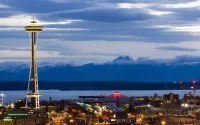
Seattle is the most populous city in Washington and the...

The Boeing Company is a multinational corporation and one of...

Canada is a North American country spanning from the Atlantic...
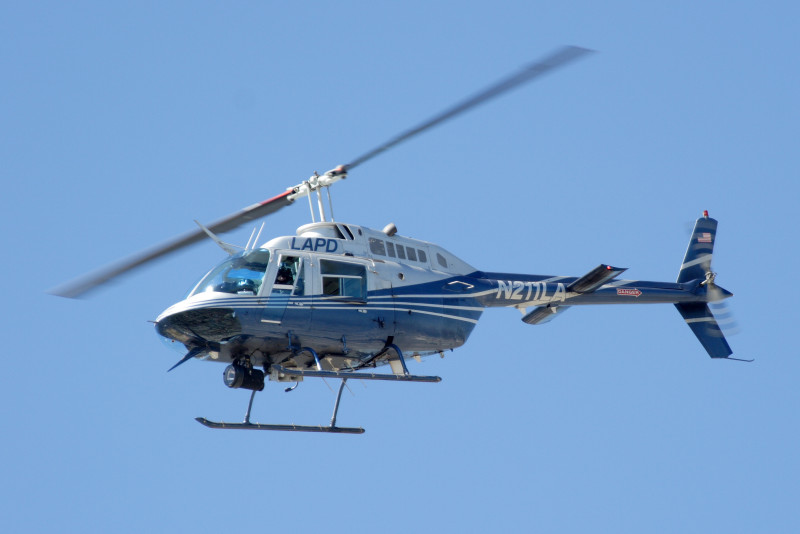
A helicopter is a type of rotorcraft in which lift...

Alaska a non-contiguous U S state in northwestern North America...

September is the ninth month of the year in the...
Trending

3 hours ago Jadeveon Clowney Set to Return for Texans in Week 4 After Injury Recovery
3 hours ago Allisha Gray Exits Semifinal Playoff Game After Sustaining Brutal Injury

3 hours ago Angel Reese Faces Technical Foul Amid WNBA Playoff Games Against Mystics
4 hours ago National Hurricane Center Monitors New Tropical Disturbance in Gulf of Mexico

4 hours ago Lamar Jackson Leads Ravens Highlights and NFL Game Action

4 hours ago Mike Gesicki Highlighted as Top Fantasy Football Waiver Wire Target for Upcoming Week
Popular

Jameis Winston is an American football quarterback currently playing for...

Ken Paxton is an American politician and lawyer serving as...

Shakira Isabel Mebarak Ripoll the Queen of Latin Music is...

Elon Musk is a visionary entrepreneur and engineer known for...

Bernie Sanders is a prominent American politician and the senior...

Michael Joseph Jackson the King of Pop was a highly...