History of Parliament in Timeline


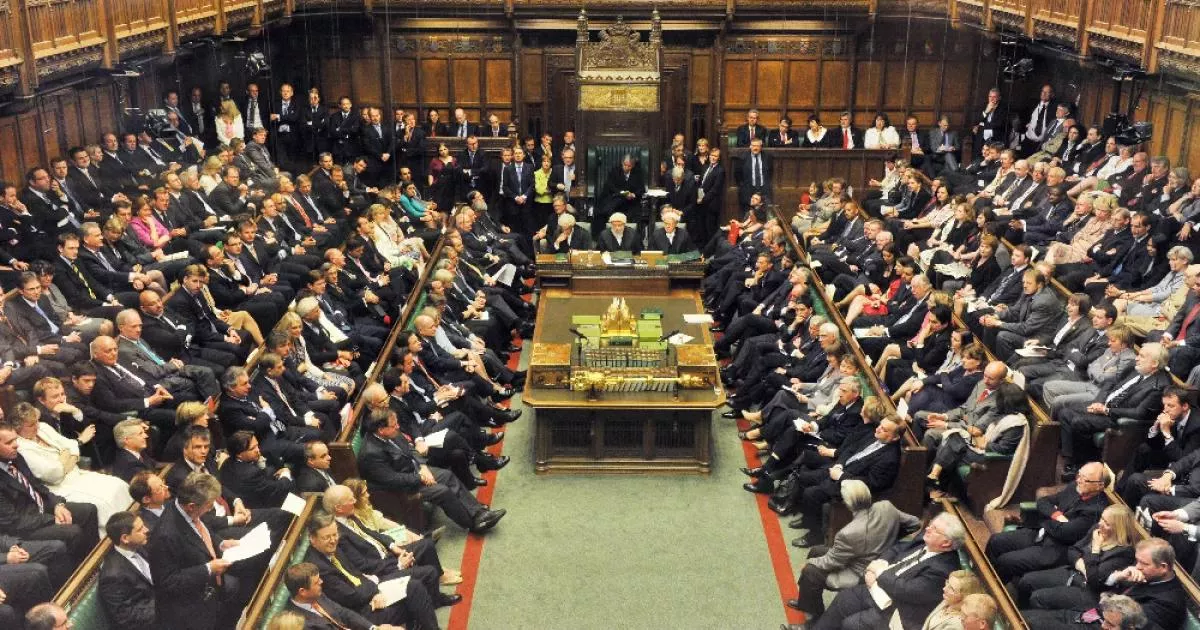
A parliament is the legislative body of a state, responsible for representing the electorate, creating laws, and overseeing the executive branch through hearings and inquiries. Functionally similar to senates or congresses, it is the core institution in parliamentary systems where powers are fused. Predominantly found in current or former monarchies, the term sometimes extends to legislatures in presidential systems. Parliaments consist of elected members who serve as legislators.
4 hours ago : Brawl in Turkish Parliament: Justice Minister Appointment Sparks Controversy and Political Clash.
A brawl erupted in Turkey's parliament following the appointment of a new Justice Minister by Erdogan. The event triggered clashes and strong criticism, escalating political tensions between parties.


1911: Parliament Act 1911
In 1911, the Parliament Act 1911 removed the veto power of the House of Lords over a great deal of legislation.
March 4, 1917: Founding of the Central Council of Ukraine
On March 4, 1917, the Central Council of Ukraine, or the Central Rada, was founded.
1918: End of regular sessions until 1946
In 1918, the Diet of Hungary's regular sessions were interrupted and did not resume until 1946.
1918: Declaration of full state independence
In 1918, the Ukrainian People's Republic declared its full state independence in the Fourth Universal of the Ukrainian Central Council.
1921: Reference to Constitutions
In 1921, the powers of the Senate are limited, as in the Constitutions of 1921 and 1992.
1946: Resumption of regular sessions
In 1946, the Diet of Hungary resumed its regular sessions after an interruption that began in 1918.
1949: Parliament Act 1949
In 1949, the Parliament Act 1949 further reduced the power of the House of Lords.
April 1989: Signing of the Round Table Agreement
On 5 April 1989, the Round Table Talks ended in the signing of the Round Table Agreement, spearheading the evolutionary transformation of Poland's political system and paving the way for regained independence.
December 1989: Amendment to the Constitution
On 29 December 1989, an amendment to the Constitution defined the Republic of Poland as a democratic state ruled by law.
October 1992: Signing of the Small Constitution
On 17 October 1992, the President signed the Small Constitution, regulating the relationship between the executive and legislative powers based on the doctrine of separation of powers, while maintaining a bicameral parliament.
1992: Reference to Constitutions
In 1992, the powers of the Senate are limited, as in the Constitutions of 1921 and 1992.
April 1997: Adoption of The Constitution of the Republic of Poland
On 2 April 1997, the National Assembly adopted The Constitution of the Republic of Poland which is the first Constitution of the Third Republic.
October 1997: Enforcement of The Constitution of the Republic of Poland
On 17 October 1997, The Constitution of the Republic of Poland entered into force.
1997: Devolution by Westminster
From 1997, Westminster devolved powers to the national legislatures, but these legislatures do not have complete power over their respective countries of the United Kingdom.
1997: Scottish devolution referendum
In 1997, the Scottish devolution referendum took place.
1998: Passing of the Scotland Act
In 1998, the Parliament of the United Kingdom passed the Scotland Act.
July 1999: Reconvening of the Scottish Parliament
On July 1, 1999, the Scottish Parliament was reconvened, with limited powers compared to its 18th-century predecessor.
1999: Establishment of the Scottish Parliament
Since 1999, there has been a Scottish Parliament in Edinburgh.
2004: Parliament sits at the new Scottish Parliament Building
Since 2004, the Scottish Parliament has been sitting at its newly constructed Scottish Parliament Building in Edinburgh.
October 2009: Opening of the Supreme Court of the United Kingdom
In October 2009, the Supreme Court of the United Kingdom opened and acquired the former jurisdiction of the House of Lords.
2020: Establishment of the Welsh Parliament
Since 2020, there has been a Senedd—or Welsh Parliament—in Cardiff.
Mentioned in this timeline
Ukraine is a country in Eastern Europe the second-largest on...
Poland officially the Republic of Poland is a Central European...
A supreme court the court of last resort in many...
A constitution serves as the foundational legal document for any...
A house is a residential building ranging from simple huts...
Westminster the main settlement within the City of Westminster in...
Trending
1 hour ago Valentine's Day: Businesses Prepare, Florists Juggle Orders Amid Rising Costs, Love in the Air

1 hour ago Apple Stock Plunges Amid AI Concerns and Regulatory Pressure: A 10-Month Low

1 hour ago Deandre Ayton's status for Thursday's Lakers game uncertain due to injury.

1 hour ago Stock Market Plunges Amid AI Disruption Fears: Tech Stocks Lead Selloff.
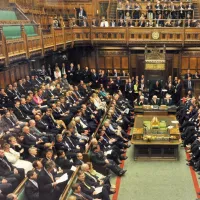
4 hours ago Brawl in Turkish Parliament: Justice Minister Appointment Sparks Controversy and Political Clash.
4 hours ago Lucinda Williams' song covered, recordings inducted into Grammy Hall of Fame
Popular

Kid Rock born Robert James Ritchie is an American musician...

The Winter Olympic Games a major international multi-sport event held...

Barack Obama the th U S President - was the...

XXXTentacion born Jahseh Dwayne Ricardo Onfroy was a controversial yet...

Michael Joseph Jackson the King of Pop was a highly...

Michael Jordan often known as MJ is a businessman and...