


Rocket League, developed by Psyonix and released in 2015, is a vehicular soccer video game where players control rocket-powered cars to hit a ball into their opponent's goal. As a sequel to Supersonic Acrobatic Rocket-Powered Battle-Cars, it supports up to eight players in team-based matches. The game features both single-player and multiplayer modes, with online play and cross-platform compatibility. The core gameplay involves driving, boosting, and aerial maneuvers to outmaneuver opponents and score goals, combining elements of soccer and driving games.
5 hours ago : Drake Maye and Esports Developments in Rocket League Scene
NFL's Drake Maye discusses his Rocket League gaming habits, while Team Vitality retains head coach Eversax. Meanwhile, esports initiatives are expanding opportunities for the next generation of players in South Africa, highlighting the growing global impact of competitive gaming.


2003: Unreal Tournament 2003 Modification
In 2003, Dave Hagewood, Psyonix' founder, modified Unreal Tournament 2003, expanding the vehicle-based gameplay into a new game mode called Onslaught.
2004: Hagewood Hired for Unreal Tournament 2004
In 2004, Hagewood was hired by Epic as a contractor for Unreal Tournament 2004 to incorporate the Onslaught mode as an official part of the game.
2008: Supersonic Acrobatic Rocket-Powered Battle-Cars Developed
In 2008, Psyonix developed Supersonic Acrobatic Rocket-Powered Battle-Cars for the PlayStation 3, which served as the predecessor to Rocket League.
2011: Unsuccessful Pitch to Electronic Arts
In 2011, Psyonix unsuccessfully attempted to pitch the idea for Rocket League to Electronic Arts.
2013: Full Development of Rocket League Starts
Around 2013, full development of Rocket League began, taking approximately two years and under $2 million to develop.
2013: Rocket League Development Begins
In 2013, Psyonix began formal development of Rocket League, refining the gameplay from Battle-Cars.
February 2014: Rocket League Announcement
In February 2014, Rocket League was officially announced as the sequel to Battle-Cars. Psyonix planned a marketing approach that included engaging with YouTube and Twitch video game streamers, and opening the game to early alpha and beta testing.
November 2014: Release Date Delay
Around November 2014, the planned release date for Rocket League was missed. This was due to the need to implement better matchmaking and servers, achieve high frame rates, and remove free-to-play elements from the game.
July 1, 2015: Original Soundtrack Release
On July 1, 2015, the original soundtrack for Rocket League was released both physically and digitally.
July 7, 2015: Rocket League Public Release
On July 7, 2015, Rocket League was publicly released for the PlayStation 4 and Windows platforms. The game was also made part of the Instant Game Collection on PlayStation 4 for PlayStation Plus subscribers, which led to over 183,000 unique players in the first week.

July 11, 2015: 120,000 Concurrent Players
On July 11, 2015, Psyonix announced approximately 120,000 concurrent players were on PlayStation 4 and Windows.
July 2015: Rocket League Initial Release
In July 2015, Rocket League was released for PlayStation 4 and Windows.
August 2015: One Million Copies Sold on Steam
In August 2015, Psyonix announced that over one million copies of the game Rocket League had been sold on Steam.
August 2015: Supersonic Fury DLC and macOS/Linux Port Announcement
In August 2015, the first DLC pack, titled Supersonic Fury, was released, along with the new arena Utopia Coliseum. It was also announced that Rocket League would be ported to macOS and Linux.
September 2015: Pro Rocket League Season 1 Announcement
In September 2015, Major League Gaming (MLG) announced the first season of the Pro Rocket League, which was held from September through early October.
September 2015: Cross-Promotion with Chivalry: Medieval Warfare
In September 2015, Psyonix held a cross-promotion with Torn Banner Studios, adding two free new flags themed after Torn Banner's Chivalry: Medieval Warfare to Rocket League.
October 2015: Revenge of the Battle-Cars DLC and Halloween Event
In October 2015, the second DLC pack, titled Revenge of the Battle-Cars, was released, adding more cars and cosmetics. A Halloween-themed event also took place.
October 21, 2015: DeLorean Time Machine DLC Release
On October 21, 2015, corresponding with Back to the Future Day, the DeLorean time machine from the Back to the Future film franchise was released as a separate DLC for Rocket League.
November 2015: Free Update Adds Mutator Mode
In November 2015, a free update added the ability to Mutate a match, allowing for custom presets and match settings.
December 2015: Ice Hockey Mutation and Holiday Event
During the latter part of December 2015, Psyonix introduced an ice hockey-based mutation alongside a special event featuring holiday-themed decorative items.
December 2015: Chaos Run DLC Released
In December 2015, the third DLC pack, titled Chaos Run, was released, adding new cars and cosmetics. A new arena, Wasteland, was also released for free.
2015: Game Awards Announcement
At The Game Awards in 2015, it was announced that Rocket League would be ported to Xbox One.
2015: Holiday Season Update: Snow Day Mode
During the 2015 holiday season, an update introduced an ice hockey-inspired mode called Snow Day to Rocket League, replacing mutator matches.
2015: Rocket League Release
In 2015, Psyonix released Rocket League, a vehicular soccer video game and a sequel to Supersonic Acrobatic Rocket-Powered Battle-Cars.
February 10, 2016: Snow Day Permanently Added
On February 10, 2016, the Snow Day mode, inspired by ice hockey, was permanently added to mutator settings for private matches and exhibition games in Rocket League.
February 2016: Rocket League Earns $70 Million
In February 2016, Psyonix announced that Rocket League had earned $70 million in revenues with at least four million copies sold, not including downloads on the PlayStation system. They tracked at least 12 million unique players of the game.
February 2016: Esports Focus
In February 2016, Psyonix observed the popularity of Rocket League matches on Twitch and other live streaming platforms and were looking to use the game more in esports.
February 2016: Rocket Labs Playlist Added
In February 2016, a new game playlist called Rocket Labs was added to offer new experimental maps to players for feedback.
February 2016: Collector's Edition Announcement
In February 2016, a retail version of Rocket League, named the Collector's Edition, was announced.
February 2016: D.I.C.E. Awards for Rocket League
In February 2016, at the 19th Annual D.I.C.E. Awards, the Academy of Interactive Arts & Sciences awarded Rocket League with Sports Game of the Year, Outstanding Achievement in Online Gameplay and the D.I.C.E. Sprite Award.
February 24, 2016: Ice Hockey Mode Permanently Added
On February 24, 2016, the ice hockey mode, which was introduced as a limited-time mutation, was permanently added to the standard playlists due to its popularity.
March 2016: Davis Comments on Rocket League's Development
In March 2016, Davis commented on Rocket League's development, opining that Supersonic Acrobatic Rocket-Powered Battle-Cars was 'the worst game name of all time'.
March 2016: Rocket League Championship Series (RLCS) Announcement
In March 2016, Psyonix announced the first Rocket League Championship Series (RLCS), with the finals taking place in August 2016 and a $55,000 prize pool.
April 2016: Basketball Playlist Added
In April 2016, the developers added the basketball-based playlist to the standard playlists.
April 2016: Themed Content from Goat Simulator and Euro Truck Simulator
In April 2016, themed content based on Goat Simulator and Euro Truck Simulator were added to Rocket League as part of cross-promotional deals with those games.
April 25, 2016: Hoops Game Mode Added
On April 25, 2016, Psyonix added Hoops, a basketball-based game mode to Rocket League.
June 2016: Neo Tokyo Arena and Item Update
In June 2016, a new arena, Neo Tokyo, was added to the game via an update. The update also introduced cosmetic items awarded at the end of matches, item trading, painted items, certified items, and new achievements.
June 24, 2016: Collector's Edition Europe Release
On June 24, 2016, the Collector's Edition of Rocket League was released in Europe. It was published and distributed by 505 Games and included the first three downloadable content packs, as well as four additional cars as digital downloads.
July 5, 2016: Collector's Edition North America Release
On July 5, 2016, the Collector's Edition of Rocket League was released in North America. The edition included the first three downloadable content packs for free and four additional cars as a digital download.
July 7, 2016: Second Volume of Soundtrack Released
On July 7, 2016, the second volume of the Rocket League soundtrack, which included new songs added to the game with post-release updates, was released.
July 2016: 6.2 Million Sales of Rocket League
By July 2016, a year after its release, Psyonix reported more than 6.2 million sales of the game Rocket League across all platforms, including 5.5 million purchases of DLC, with more than $110 million in revenue; 40% of these sales have been for the PlayStation 4 version with the remaining split roughly equally between PC and Xbox One.
July 2016: Psyonix Ready for Cross-Platform Play, Awaiting Approval
In July 2016, Psyonix stated they had completed the technical work and could enable cross-platform play between the Xbox One and PlayStation 4 versions of Rocket League "within a few hours" of Sony's approval, but were waiting for legal agreements.
August 2016: First RLCS Finals
In August 2016, the finals of the first Rocket League Championship Series (RLCS) took place with a $55,000 prize pool.
September 8, 2016: Rumble Mode Introduced
On September 8, 2016, the Rumble mode was added to Rocket League, incorporating unusual power-ups that affect gameplay.
September 2016: Crates (Loot Box System) Introduced
In September 2016, Psyonix introduced Crates, a loot box system, to monetize Rocket League where players could purchase them with real-world funds for a random selection of in-game customization items.
September 2016: Rumble Mode Released
In September 2016, the Rumble mode, which adds unique power-ups on various maps, was released.
October 2016: Aquadome Update Launched
In October 2016, the major update titled "Aquadome" launched, featuring a new arena placed under the sea, along with new premium water-themed cars, and a new crate containing new items and seven new achievements.
December 2016: Custom Training Sequences Introduced
In December 2016, an update introduced Custom Training sequences that players could create and share, allowing for specific skill practice.
December 2016: Starbase ARC Update
In December 2016, the Starbase ARC update, based on Psyonix' mobile game ARC Squadron, introduced custom arena support for Windows players through Steam Workshop.
2016: Psyonix Hopes To Include KITT
In 2016, Psyonix hoped to include KITT but ended up releasing the car in the 2019 Radical Summer event.
2016: Retail and Platform Expansions
In 2016, retail versions of Rocket League were distributed for PlayStation 4 and Xbox One. Versions for macOS and Linux were also released.
January 2017: 25 Million Unique Players
By January 2017, Psyonix tracked more than 25 million unique players of Rocket League, averaging 1.1 million players a day, and reaching 220,000 concurrent players at one point.
February 2017: Rocket League's Player Base Active in February
In February 2017, about a fourth of Rocket League's 29 million registered players were active.
February 2017: PlayStation 4 Pro Support Patch
In February 2017, the PlayStation 4 version of Rocket League was patched to offer PlayStation 4 Pro support. This allowed for 4K resolution and constant 60 frames-per-second rendering at 1080p for one and two-player split-screen, with other rendering improvements for the standard PlayStation 4.
February 2017: Hot Wheels Cars Added to Rocket League
In February 2017, two iconic Hot Wheels cars were added to Rocket League, along with other cosmetic items based on the brand.
March 2017: Company Ready for Cross-Platform Play, Waiting for Agreements
As of March 2017, Psyonix was ready to enable cross-platform play for Rocket League, but they were still awaiting the console manufacturers to reach the required agreements to allow it.
March 2017: Rocket League Sells 10.5 Million Copies
By March 2017, Psyonix reported that Rocket League had sold more than 10.5 million copies across all platforms, and had 29 million registered players, with about a fourth of that having played during February 2017. Dunham estimated that 70% of the game's players had purchased some of the DLC offered for the game by March 2017.
March 2017: Dropshot Game Mode Added
In March 2017, Psyonix added Dropshot, a new game mode in Rocket League, which takes place in an arena without goals where players must break the floor to score.
April 2017: Dodge Charger DLC Release
In April 2017, Dominic Toretto's Dodge Charger from the film The Fate of the Furious was added to Rocket League to tie in with the film's release.
April 2017: Tencent Partnership for Free-to-Play Version in China
In April 2017, Psyonix announced a partnership with Tencent to bring a free-to-play version of Rocket League to the Chinese gaming market, allowing users to purchase cosmetic items via microtransactions.
April 2017: Over a Million Physical Copies Sold
In April 2017, Psyonix reported that in addition to 9.5 million digital sales, Rocket League had also sold over a million physical copies at retail.
June 2017: Zag Toys Partnership for Pullback Toy Cars
In June 2017, Psyonix partnered with Zag Toys to produce a series of pullback toy cars based on the Rocket League vehicles. Some of these included a redeemable code for unique customization items in the game.
July 2017: $75,000 Rocket League Tournament at Summer X Games
In July 2017, a $75,000 Rocket League tournament was held at the Summer X Games outside U.S. Bank Stadium, with the finals streamed live on ESPN3. NRG Esports won the tournament.
July 2017: Anniversary Update and Rick and Morty Content
In July 2017, an update released introduced a new arena celebrating the one-year anniversary of the game, along with cosmetic items based on the American animated show Rick and Morty.
August 2017: NBC Sports Group Tournament
In July–August 2017, NBC Sports Group, in conjunction with Faceit, ran its own $100,000-prize pool Rocket League tournament, which was broadcast across its eight worldwide regions.
September 2017: Collegiate Tournament with Tespa
Starting in September 2017, Psyonix and Tespa held the first collegiate Rocket League tournament, with teams competing for a share of $50,000 in scholarships.
October 2017: Warner Bros. Partnership Announcement
In October 2017, Psyonix announced that Warner Bros. Interactive Entertainment would publish an updated version of Rocket League for PlayStation 4 and Xbox One, with additional content.
December 2017: ELEAGUE Cup Event
In December 2017, Turner Sports organized a US$150,000 ELEAGUE Cup event for eight Rocket League teams, broadcast live on streaming media, with a series of shows detailing the teams' path to the Cup.
2017: Nintendo Switch Release Announcement
In 2017, Psyonix announced that Rocket League would be released for the Nintendo Switch. The release included customization options based on Nintendo properties and supported cross-platform play with the PC and Xbox One versions.

2017: WWE Sponsorship
In 2017, Rocket League served as a sponsor of WWE pay-per-view events, such as Backlash, Great Balls of Fire, and SummerSlam.
2017: Rocket League nominated for "e-Sports Game of the Year"
In 2017, Rocket League was nominated for "e-Sports Game of the Year" and "Still Playing" at the Golden Joystick Awards, and for "Best Spectator Game" in IGN's Best of 2017 Awards. It won the award for "Best Post-Launch Support" in Game Informer' 2017 Sports Game of the Year Awards.
September 2018: 50 Million Players Reached
By September 2018, the number of Rocket League players had reached 50 million.
September 2018: Rocket Pass Feature Added
In September 2018, Psyonix added the Rocket Pass, a battle pass feature, to Rocket League, offering new customization options through tiered unlocks.
September 2018: Sony Alters Position on Cross-Platform Play
In September 2018, Sony altered its position on cross-platform play following the release of Fortnite Battle Royale for the Nintendo Switch, where the lack of cross-platform play had been a point of significant criticism. Sony allowed Fortnite to be cross-platform play compatible with all platforms and stated they would review other games on a case-by-case basis.
December 2018: Hot Wheels RC Car Game Set Release
In December 2018, Hot Wheels released a radio-controlled car (RC car) game set based on Rocket League. It included two RC cars controlled through Bluetooth, a play field, and a ball with infrared sensors for scoring.
2018: Rocket League Sales and Player Base Milestone
By the beginning of 2018, Rocket League had reached over 10 million sales and 40 million players.
2018: Rocket League nominated for eSports Game of the Year
In 2018, Rocket League was nominated for "eSports Game of the Year" at the Golden Joystick Awards. The game won the award for "Fan Favorite Sports/Racing Game" at the Gamers' Choice Awards, whereas its other nomination was for "Fan Favorite eSports Game". It was also nominated for "eSports Title of the Year" at the Australian Games Awards.
January 2019: Sony Grants Cross-Platform Play for Rocket League
In January 2019, Psyonix announced that Sony had granted cross-platform play for Rocket League, allowing play between the PlayStation 4, Xbox One, Switch, and PC versions.
February 2019: Cross-Platform Play Enabled Between All Platforms
In February 2019, cross-platform play was enabled for Rocket League between the PlayStation 4, Xbox One, Switch, and PC versions.
May 2019: Epic Games Acquires Psyonix
In May 2019, Epic Games announced its acquisition of Psyonix for an undisclosed amount. Following the purchase, Rocket League was planned to be added to the Epic Games Store.
July 2019: Licensing Approval in China
In July 2019, the free-to-play version of Rocket League was successfully licensed through China's approval process.
December 2019: Blueprint Price Reduction After Player Concerns
In December 2019, following the Blueprint update, players expressed concerns about the high costs of completing blueprints compared to opening loot boxes. Within a week, Psyonix reduced the prices of completing blueprints by half and refunded credits to those who had already spent them.
December 2019: Crates Replaced with Blueprints and Item Shop Introduced
In December 2019, the Crates system in Rocket League was replaced with Blueprints, offering known items, and a new Item Shop was introduced with rotating featured and daily items.
2019: Radical Summer Event
For the 2019 Radical Summer event, Psyonix released two new car packs; the Ecto-1 from the Ghostbusters film franchise in June, and the KITT from the 1980s television series Knight Rider in July.
2019: Spike Rush Mode Release
In 2019, Psyonix released Spike Rush as part of the Radical Summer event. It resembles rugby and the spikes power-up will attach the ball to a player's vehicle once it is touched.
2019: Rocket League Nominated for "Still Playing" Award
In 2019, Rocket League was nominated for the "Still Playing" award at the Golden Joystick Awards.
January 2020: End of macOS and Linux Support Announced
In January 2020, Psyonix announced that support for macOS and Linux would be dropped from Rocket League by March 2020, as part of a major upgrade to the base game systems. They offered full refunds to the game for macOS and Linux owners.
March 2020: macOS and Linux Support Dropped
In March 2020, Psyonix dropped support for macOS and Linux for Rocket League. After March 2020, these versions were no longer able to connect and use the online parts of the game, but could still be played in single player or local multiplayer.
May 2020: Modes of May Event
In May 2020, Psyonix introduced the Modes of May event, which included a number of limited-time game modes for every weekend of the month.
September 23, 2020: Free-to-Play Transition
On September 23, 2020, Psyonix transitioned Rocket League to a free-to-play model on all platforms. This change included cross-platform progression, new competitive tournaments, and other features. The game also eliminated the need for console subscription services to play.
2020: Game Goes Free-to-Play; Online Service Support Ends for macOS and Linux
In 2020, Rocket League transitioned to a free-to-play model after Epic Games acquired Psyonix. Also, online service support for macOS and Linux versions was dropped in 2020.
February 2021: Gridiron Mode Release
In February 2021, Psyonix released a limited time gamemode called Gridiron to celebrate Super Bowl LV. It functions similarly to gridiron football with the normal soccer ball being replaced by a football.
March 2021: Rocket League Sideswipe Announced
In March 2021, Rocket League Sideswipe, a free mobile game spin-off by Psyonix, was announced for Android and iOS.
2021: RLCS Season X Competitive Format
In 2021, RLCS Season X's competitive format, which featured 3 separate regional splits, each one having their own international Majors, continued. This format remained the same for the 2021-22 and 2022-23 seasons.
February 2022: 7-Eleven Partnership
In February 2022, a partnership between 7-Eleven and Psyonix was announced. Slurpee-themed Rocket League cosmetics were made available for purchase in-game, and Rocket League-themed items were sold in 7-Eleven stores. 7-Eleven also sponsored the RLCS and offered a sweepstakes to win a real vehicle, the "Model 711."
2022: Knockout Mode Added
In 2022, Knockout, a new Free-For-All game mode without teams or goals, was added to Rocket League where players knock opponents into hazards.
2022: RLCS Season X Competitive Format
In 2022, RLCS Season X's competitive format, which featured 3 separate regional splits, each one having their own international Majors, continued. This format remained the same for the 2021-22 and 2022-23 seasons.
December 2, 2023: Psyonix Teases Rocket Racing
On December 2, 2023, Psyonix teased Rocket Racing during the Fortnite Big Bang event as a spin-off title.
December 2023: Removal of Player-to-Player Trading
In December 2023, Psyonix removed player-to-player trading in Rocket League. This change was made to align the game's cosmetic and item shop policies with Epic's standards, and to allow for cross-game ownership of Rocket League vehicles in other Epic Games titles.
2024: RLCS Changes
In 2024, The Rocket League Championship Series (RLCS) was changed to two regional splits, with each split having its own international Major and culminating in the World Championship. Additionally, the FIFAe World Cup would feature a national team focused Rocket League tournament.
2024: Gameplay Updates in 2024
In 2024, updates to Rocket League introduced new features allowing players to view teammates' boost levels and the game clock time when chat comments were made.
2025: Further RLCS Additions
In 2025, the Rocket League Championship Series (RLCS) format from 2024 was kept, but Last Chance Qualifiers, Play-ins, and a 1v1 series were added to the World Championship.
Mentioned in this timeline
Basketball is a team sport played on a rectangular court...

Tencent is a Chinese multinational technology conglomerate headquartered in Shenzhen...
Epic Games is a prominent American video game and software...
PlayStation is a video game brand owned by Sony Interactive...
Xbox is a video gaming brand owned by Microsoft Gaming...
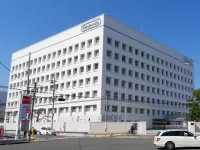
Nintendo is a Japanese multinational video game company based in...
Trending

7 days ago Marie Bouzková Faces Maja Chwalinska at WTA Wuhan Open
3 hours ago Severe Thunderstorm Warning Issued for Phoenix With Potential Flooding and Tornado Risks
4 hours ago Lilli Tagger Faces Tereza Valentova in Japan Women's Open Tennis Match
4 hours ago Zazie Beetz Debuts Baby Bump at Nocturne Movie Premiere
5 hours ago Drake Maye and Esports Developments in Rocket League Scene
5 hours ago Roseanne Barr Reveals John Goodman Declined Cameo in Her Recent Television Project
Popular

Ilhan Omar is a prominent American politician currently serving as...

Ken Paxton is an American politician and lawyer serving as...

Elon Musk is a visionary entrepreneur and engineer known for...
Michael Joseph Jackson the King of Pop was a highly...

Cristiano Ronaldo widely considered one of the greatest footballers captains...

Linda Ronstadt is a versatile American singer renowned for her...