


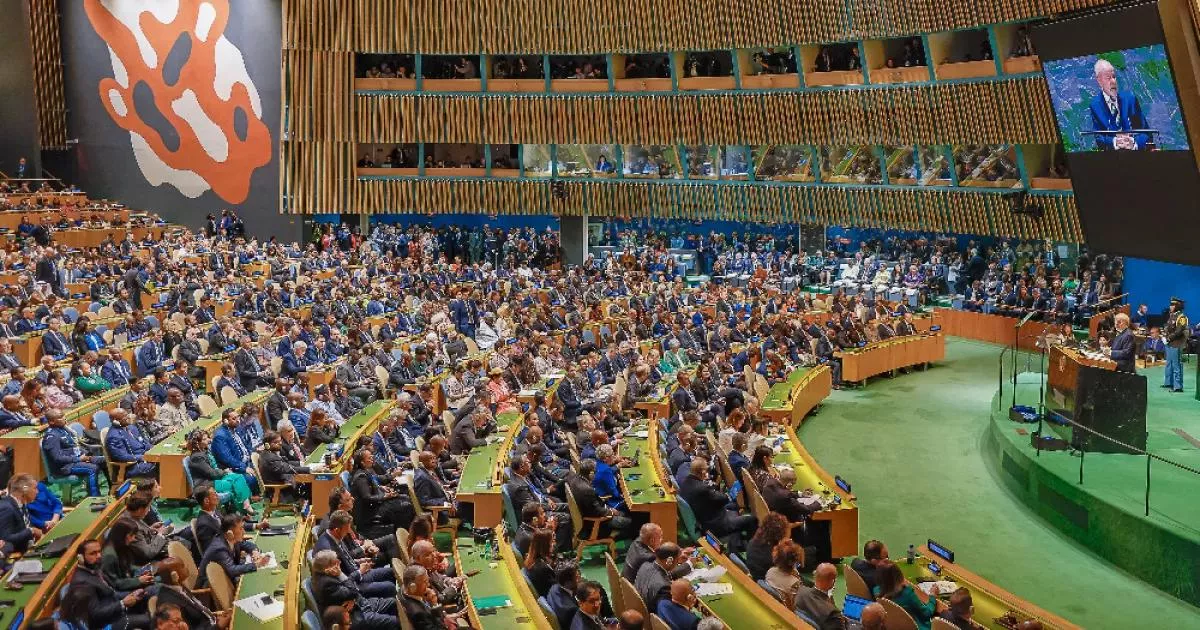
Politics encompasses activities related to group decision-making and power dynamics, including resource and status distribution. Political science is the discipline dedicated to studying these activities and forms of government. It examines how individuals and groups exert influence and make collective choices. Politics is a fundamental aspect of social organization and governance, shaping societal structures and resource allocation. It operates at various levels, from interpersonal relationships to international relations, involving negotiation, cooperation, and conflict resolution to achieve specific goals or maintain social order.
1901: Federation in Australia
In 1901, Australia formed a federation, joining other nations like Switzerland, the United States, Canada, and Germany in establishing a union of self-governing regions under a central federal government.


1957: Publication of "An Economic Theory of Democracy"
In 1957, Anthony Downs published "An Economic Theory of Democracy", presenting his view that ideological political parties are necessary to mediate between individuals and governments, counteracting the tendency of governments to create laws and policies that align with the median voter's views due to self-interested political elites.
1993: L. Susan Brown on Liberalism and Anarchism
In 1993, anarchist political philosopher L. Susan Brown compared liberalism and anarchism, noting that while both prioritize individual freedom, they diverge significantly in their approach to property relations, with anarchism rejecting liberalism's competitive property relations.
Mentioned in this timeline
The United States of America is a federal republic primarily...

Germany officially the Federal Republic of Germany is located in...

Australia officially the Commonwealth of Australia is a country encompassing...

Canada is a North American country spanning from the Atlantic...
Switzerland is a landlocked country in Central Europe bordered by...
The letter S or s is the th letter in...
Trending

4 hours ago Amber Heard Completes Her First Half Marathon in Sub-1:40 Time

5 hours ago Aerosmith Returns for Two Exclusive Hollywood Bowl Concerts Following Hiatus
5 hours ago Laila Ali Honored at 41st Annual Great Sports Legends Dinner for Historic Achievement

6 hours ago Bill Burr Warns Podcasters Against Cozying Up To Billionaires

6 hours ago Mark Harmon Returns as Gibbs in Thrilling NCIS: Origins Premiere

6 hours ago John Goodman Reflects on Acting Career at 74 Years Old
Popular

Ken Paxton is an American politician and lawyer serving as...

Jameis Winston is an American football quarterback currently playing for...

Shakira Isabel Mebarak Ripoll the Queen of Latin Music is...
Elon Musk is a visionary entrepreneur and engineer known for...

Bernie Sanders is a prominent American politician and the senior...

Cristiano Ronaldo widely considered one of the greatest footballers captains...