Rise to Success: Career Highlights of Tim Cook


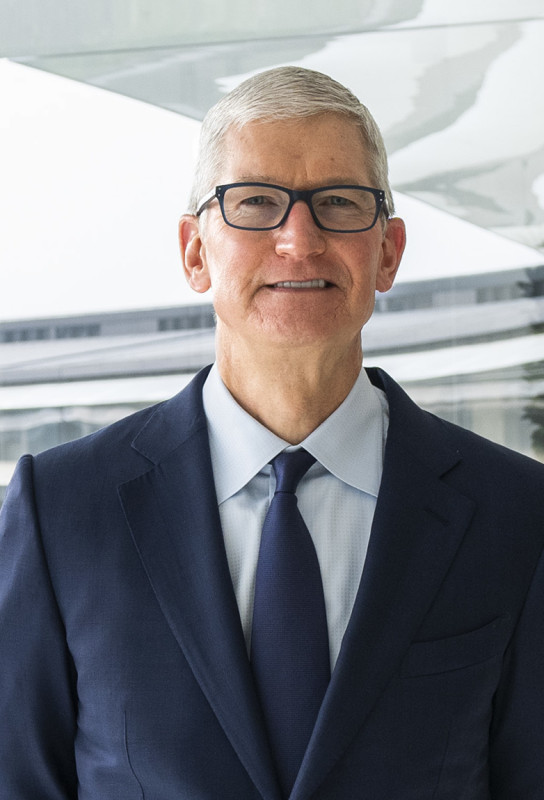
How Tim Cook built a successful career. Explore key moments that defined the journey.
Tim Cook is the CEO of Apple, a position he assumed in August 2011 after Steve Jobs resigned. He initially joined Apple in 1998 as Senior Vice President for Worldwide Operations and later became Vice President for Worldwide Sales and Operations. Before becoming CEO, he served as the company's Chief Operating Officer. Cook's leadership has continued Apple's success in the technology industry.
1997: Becoming VP at Compaq
In 1997, Tim Cook became the vice president for corporate materials at Compaq.


March 1998: Joining Apple as Senior Vice President
In March 1998, Tim Cook joined Apple as a senior vice president for worldwide operations.
1998: Asked to Join Apple
In 1998, Steve Jobs asked Tim Cook to join Apple.
2005: Joining Nike's Board of Directors
In 2005, Tim Cook joined the board of directors of Nike.
2005: Advance investment in flash memory
Since 2005, Tim Cook's group invested in long-term deals such as advance investment in flash memory.

January 2007: Promotion to Lead Operations
In January 2007, Tim Cook was promoted to lead operations at Apple.
2008: Donation to Barack Obama's Campaign
During the 2008 election cycle, Tim Cook donated to Barack Obama's first White House election campaign.
2009: Serving as CEO During Job's Leave
In 2009, Tim Cook served as chief executive while Steve Jobs was on a leave of absence due to failing health.
2010: Delivered Commencement Speech at Auburn
In 2010, Tim Cook delivered the commencement speech at Auburn, emphasizing the importance of intuition, preparation, and hard work in decision-making.
January 2011: Responsibility for Apple's Day-to-Day Operations
In January 2011, Apple's board approved a third medical leave of absence for Steve Jobs, making Tim Cook responsible for most of Apple's day-to-day operations.
August 24, 2011: Appointment as Apple CEO
On August 24, 2011, Tim Cook was appointed chief executive officer of Apple after Steve Jobs resigned.
August 24, 2011: Named CEO of Apple
On August 24, 2011, Tim Cook was named the new chief executive officer of Apple after Steve Jobs resigned.
September 2011: Rescuing Apple from its Death Spiral
In September 2011, Tim Cook and Steve Jobs were credited with rescuing Apple from its death spiral, increasing its revenue from $6 billion in 1998 to $100 billion.
2011: Taking Over Apple
In 2011, Tim Cook took over Apple, leading to significant growth in revenue, profit, and market value.
October 29, 2012: Executive Team Changes
On October 29, 2012, Tim Cook made major changes to Apple's executive team, including the resignation of Scott Forstall and the dismissal of John Browett.
2012: Executive Changes After Fiscal Quarter
In 2012, after the third quarter of the fiscal year, Tim Cook made executive changes due to revenues and profits growing less than predicted. Scott Forstall's resignation was widely seen as a dismissal.
May 2013: Leadership Focus and Charity Increase
In May 2013, Tim Cook shared that his leadership focused on people, strategy, and execution. He also increased Apple's donations to charity and hired Lisa Jackson to assist with renewable energy activities.
2013: Scott Forstall Departed Apple
In 2013, Scott Forstall eventually departed from Apple after resigning as senior vice president of iOS in 2012.
March 2015: Planned Donation of Fortune to Charity
In March 2015, Tim Cook announced his plans to donate his entire fortune to charity.
June 2015: The New York Times Published "Tim Cook, Making Apple His Own"
On June 15, 2015, Matt Richtel and Brian X. Chen published an article in The New York Times titled "Tim Cook, Making Apple His Own."
2015: Donations to Democratic Senators
In 2015, Tim Cook said he donated to Democratic senators Chuck Schumer and Patrick Leahy for their stances on ebook pricing and surveillance reform, respectively.
2015: Named to Duke University's Board of Trustees
In 2015, Tim Cook was appointed to Duke University's board of trustees for a six-year term.
March 2016: Donation to Zoe Lofgren's Campaign
In early March 2016, Tim Cook disclosed that he donated to the election campaign of Democratic representative Zoe Lofgren of California.
2016: Comparison to Steve Ballmer
In 2016, some analysts compared Tim Cook to former Microsoft CEO Steve Ballmer, claiming that innovation had declined since he replaced Steve Jobs.
2016: Fundraising for Hillary Clinton's Campaign
In the 2016 election, Tim Cook raised funds for the presidential campaign of Hillary Clinton, who considered him as a potential Vice President candidate.
2018: Delivered Duke University's Commencement Address
In 2018, Tim Cook delivered the commencement address at Duke University.
October 2019: Chairman of Tsinghua University's Advisory Board
In October 2019, Tim Cook was appointed chairman of the advisory board for Tsinghua University's economics school for a three-year term.
August 2021: Payout from Selling Apple Shares
In August 2021, Tim Cook received an approximate $750 million payout by selling more than five million shares in Apple, ten years after becoming CEO.
January 2025: Donation to Donald Trump's Inaugural Committee
In January 2025, Tim Cook personally donated $1 million to Donald Trump's inaugural committee.
August 6, 2025: Visit to White House
On August 6, 2025, Tim Cook visited Donald Trump at the White House and announced an additional $100 billion in U.S. investments, bringing Apple's total commitment to $600 billion, as part of the company's strategy to align with Trump's "America First" policies and avoid potential tariffs on semiconductors.
Mentioned in this timeline

Donald John Trump is an American politician media personality and...
Barack Obama the th U S President - was the...
Chuck Schumer is a prominent American politician serving as the...

Hillary Diane Rodham Clinton is a prominent American politician lawyer...
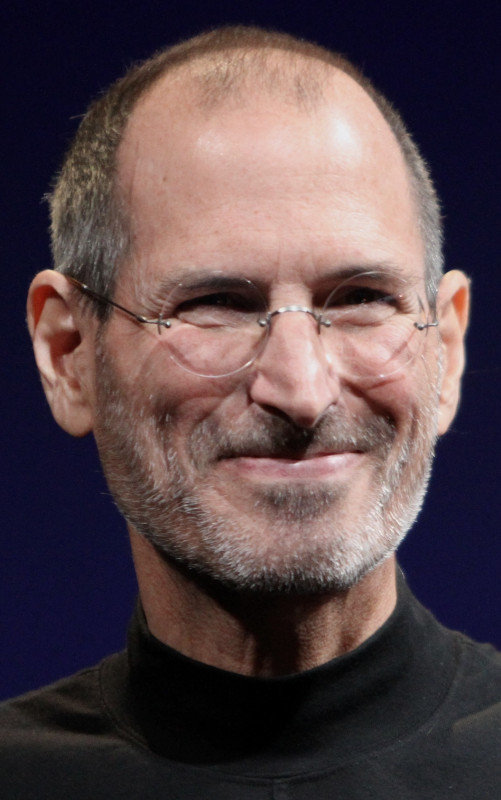
Steve Jobs a pivotal figure in the personal computer revolution...

California is a U S state on the Pacific Coast...
Trending
3 hours ago Chuck Lorre Expresses Frustration Over Anna Faris Leaving Hit Sitcom Mom

3 hours ago Iga ?wi?tek faces Ashlyn Krueger in WTA Wuhan tournament round of 16 match

3 hours ago JD Vance Faces Backlash Following Personal Attacks on James Talarico

3 hours ago Upcoming Tennis Match Predictions Featuring Ashlyn Krueger and WTA Players

3 hours ago Teodora Kostovi? Experiences Significant Drop in Latest WTA Rankings

4 hours ago Political Streamer Hasan Piker Navigates Midterm Election Cycle and Influence on Radical Left
Popular

Ilhan Omar is a prominent American politician currently serving as...
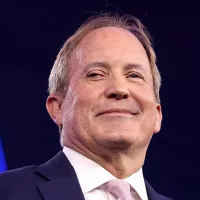
Ken Paxton is an American politician and lawyer serving as...

Jameis Winston is an American football quarterback currently playing for...

Elon Musk is a visionary entrepreneur and engineer known for...

Michael Joseph Jackson the King of Pop was a highly...

Cristiano Ronaldo widely considered one of the greatest footballers captains...