


During Donald Trump's first term as president, his "America First" economic policy led to the implementation of several tariffs on Chinese imports. This protectionist approach aimed to shrink the U.S. trade deficit and prioritize bilateral trade agreements over multilateral ones. Starting in 2018, tariffs were imposed on solar panels, washing machines, steel, and aluminum, affecting imports from various countries including China, the European Union, Canada, and Mexico. The escalating tariffs on Chinese goods specifically triggered a trade war between the U.S. and China.
1917: Trading with the Enemy Act
The Trading with the Enemy Act of 1917 granted the president the power to impose tariffs during wartime.


1920: Republican Party's Stance on Tariffs
The Republican Party historically favored tariffs, especially in the 1920s, with tariffs reaching record highs.
1930: Impact of Tariffs on the Great Depression
The high tariffs of the 1930s are widely believed to have worsened the Great Depression.
1962: Trade Expansion Act of 1962
The Trade Expansion Act of 1962, specifically Section 232, grants the president the authority to impose tariffs under certain circumstances, if imports threaten national security.
1974: Trade Act of 1974
The Trade Act of 1974 allowed the president to impose tariffs for national security reasons.
1977: International Emergency Economic Powers Act
The International Emergency Economic Powers Act of 1977 further shifted tariff powers towards the White House.
1995: World Trade Organization Established
The World Trade Organization (WTO) was established in 1995. Section 232 of the Trade Expansion Act of 1962, used for tariff imposition, had not been invoked since the WTO's establishment until the Trump administration.
2002: Bush Steel Tariffs and Job Losses
Studies on the 2002 steel tariffs implemented by the Bush administration showed a net loss of jobs, raising concerns about potential job losses from the Trump tariffs.
2002: Bush-era Steel Tariffs Ineffective
The steel tariffs imposed in 2002 during the Bush administration were widely viewed as ineffective and potentially detrimental to the United States, leading to their withdrawal after 18 months. This raised concerns about the potential impact of Trump's tariffs.
2012: Study Analyzes Electoral Impact of Tariffs on Republican Candidates
A University of Warwick study examined the impact of tariffs on Republican candidates, analyzing the difference in their electoral outcomes compared to Mitt Romney's performance in 2012. Retaliatory tariffs negatively affected Republican candidates, particularly in districts exposed to the trade war. China's tariffs harmed both US and Chinese industries, while the EU's were structured to minimize self-harm.
2012: Increase in Imports of Residential Washers
Between 2012 and 2016, the import of large residential washers increased steadily, according to the U.S. International Trade Commission.
2013: Canada Becomes Largest Source of U.S. Aluminum Imports
From 2013, Canada was the largest source of aluminum imported to the United States.
August 2015: Trump's Boycott of Oreos
Trump announced a boycott of Oreos in August 2015 in response to Mondelez International's decision to move manufacturing to Mexico.
January 2016: Proposed Tariff on Chinese Imports
During a meeting with the New York Times Editorial Board in January 2016, Trump proposed a 45% tariff on Chinese imports.
November 21, 2016: "America First" Economic Strategy
Trump announced his "America First" economic strategy, focusing on bilateral trade deals, on November 21, 2016.
2016: Canada Remains Largest Source of U.S. Aluminum Imports
By 2016, Canada had solidified its position as the largest supplier of aluminum to the U.S. market.
2016: Decline in Domestic Washer Producers' Performance
From 2012 to 2016, the financial performance of domestic washer producers declined significantly.
2016: China Leads Washer Exports to the US
In 2016, China was the leading exporter of washers to the United States, with a value of $425 million. Mexico and South Korea followed with $240 million and $130 million, respectively.
January 23, 2017: Withdrawal from Trans-Pacific Partnership
On January 23, 2017, Trump withdrew the U.S. from the Trans-Pacific Partnership trade agreement.
2017: Agricultural Exports to China Decline Sharply
American agricultural exports to China fell significantly, from $19.5 billion in 2017 to $9.1 billion in 2018. In 2016, they had been at $21.4 billion.
2017: Australia Secures Tariff Exemption
In 2017, Australian Prime Minister Malcolm Turnbull successfully negotiated an exemption from steel tariffs with President Trump at the G20 Hamburg summit.
January 2018: China's Initial Tariffs
In January 2018, China imposed an 8% average tariff on all countries.
January 2018: Tariffs on Solar Panels and Washing Machines
In January 2018, the Trump administration imposed tariffs on imported solar panels and washing machines, ranging from 30% to 50%, as part of his "America First" trade policy.
January 2018: Trade Barriers Impact GDP and Consumer Prices
The Congressional Budget Office (CBO) estimated that trade barriers between January 2018 and January 2020 would reduce real GDP and increase consumer prices.
January 23, 2018: Tariffs on Solar Panels
On January 23, 2018, Trump imposed tariffs on imported solar panels, starting at 30% and gradually decreasing to 15% over four years.
March 1, 2018: Trump Announces Tariffs on Steel and Aluminum
On March 1, 2018, President Trump announced his intention to impose a 25% tariff on imported steel and a 10% tariff on imported aluminum.
March 3, 2018: Trump Threatens Tariffs on European Cars
On March 3, 2018, after the EU threatened retaliatory tariffs on steel and aluminum, Trump countered with a threat to impose tariffs on European car manufacturers.
March 6, 2018: Gary Cohn Resigns
Following President Trump's cancellation of a meeting regarding the steel and aluminum tariffs, Gary Cohn, the chair of the National Economic Council, resigned on March 6, 2018.
March 2018: Public Disapproval of Tariffs
A Quinnipiac University poll in March 2018 revealed that the majority of Americans disapproved of the proposed tariffs on steel and aluminum imports if they led to an increase in the cost of living.
March 2018: Economists Surveyed on Tariff Impact
In March 2018, a Reuters survey of economists showed that nearly 80% believed the tariffs on steel and aluminum would harm the US economy.
March 2018: Tariffs on Steel and Aluminum
In March 2018, tariffs were imposed on steel (25%) and aluminum (10%) imports from most countries.
March 22, 2018: Trump Imposes Tariffs on Chinese Goods
On March 22, 2018, President Trump signed a memorandum, invoking Section 301 of the Trade Act of 1974, to impose $50 billion in tariffs on Chinese goods. He cited Chinese theft of U.S. intellectual property as the justification. This action heightened concerns about a potential global trade war.
March 28, 2018: U.S. and South Korea Announce KORUS FTA Changes
On March 28, 2018, amidst trade tensions and diplomatic efforts with North Korea, the U.S. and South Korea agreed to significant modifications to their free trade agreement (KORUS FTA). The 25% tariff on South Korean trucks was extended to 2041. The U.S. exempted South Korea from steel tariffs with an import quota but lifted the temporary exemption on aluminum tariffs on May 1, 2018.
April 2, 2018: China Imposes Retaliatory Tariffs on U.S. Goods
On April 2, 2018, China announced retaliatory tariffs on 128 U.S. products, including a 15% duty on goods like fruit and wine, and a 25% tariff on products like pork.
April 3, 2018: U.S. Publishes List of Chinese Goods for Tariffs
On April 3, 2018, the U.S. Trade Representative's office released a list of over 1,300 Chinese products targeted for tariffs, ranging from flat-screen televisions and medical devices to aircraft parts and satellites. China's Ambassador Cui Tiankai warned of potential retaliation.
April 4, 2018: China Announces Tariffs on U.S. Goods
On April 4, 2018, China announced plans to impose 25% tariffs on 106 U.S. products, including soybeans, automobiles, and airplanes. Soybeans were a major U.S. agricultural export to China.
April 9, 2018: China Files WTO Complaint
On April 9, 2018, China filed a complaint with the World Trade Organization (WTO) against the United States regarding the steel and aluminum tariffs.
May 1, 2018: U.S. Lifts Aluminum Tariff Exemption for South Korea
On May 1, 2018, as part of changes in response to proposed tariffs and diplomatic meetings, The United States lifted a temporary exemption from aluminum tariffs that had applied to South Korea.
May 9, 2018: China Cancels U.S. Soybean Orders
On May 9, 2018, Chinese buyers halted orders of U.S. soybeans, marking a significant escalation in the trade tensions.
May 2018: Economists Warn Trump About Trade War
In May 2018, over 1,000 economists signed a letter warning Trump against a trade war, comparing the tariffs to the Smoot-Hawley Tariff Act.
June 1, 2018: EU Files WTO Complaint
On June 1, 2018, the European Union filed a case with the WTO against the U.S. steel and aluminum tariffs.
June 5, 2018: Mexico Imposes Retaliatory Tariffs
On June 5, 2018, Mexico implemented retaliatory tariffs on around US$3 billion worth of US goods, including steel, pork, cheese, whiskey, and apples, in response to US tariffs. These were later lifted on May 20, 2019.
June 9, 2018: Trump Addresses Canadian Tariffs
On June 9, 2018, President Trump stated that the tariffs on Canadian goods were a response to Canada's 270% tariffs on dairy products.
June 2018: India Announces Retaliatory Tariffs
In June 2018, India initially announced retaliatory tariffs totaling $235 million on US goods, but their implementation was delayed due to trade talks.
June 22, 2018: EU Imposes Retaliatory Tariffs on U.S. Goods
On June 22, 2018, the European Union retaliated against U.S. tariffs by imposing its own tariffs on over $3 billion worth of American products, including steel, aluminum, agricultural goods, clothing, and other consumer products. The EU's response was deemed proportionate and compliant with WTO rules.
July 1, 2018: Canada Imposes Retaliatory Tariffs
Canada responded to the U.S. tariffs by imposing retaliatory tariffs of their own on July 1, 2018.
July 2018: U.S. Aid to Farmers
The Trump administration announced aid payments to farmers affected by the trade disputes in July 2018, using the Commodity Credit Corporation (CCC).
November 2018: Trump's Claim of Tariff Enrichment
In November 2018, Trump falsely claimed that tariffs were enriching the U.S. and bringing in billions of dollars.
December 2018: Study Finds Tariffs Reduce US Real Income
By December 2018, a study found that Trump's tariffs resulted in a reduction in aggregate US real income and cost consumers billions of dollars monthly.
2018: Study Finds Minimal Impact of Tariffs on U.S. Enterprises Leaving China
A study by Samantha Vortherms and Jiakun Jack Zhang found that the tariffs had minimal impact on U.S. enterprises leaving China in 2018 and 2019.
2018: Trade Deficit Increase
Despite efforts to reduce the trade deficit, it continued to increase during 2018.
2018: China Ends Ownership Rules for Auto and Financial Companies
In 2018, China lifted its requirement for foreign auto companies and financial institutions to have at least 50% Chinese ownership. This change was viewed as potentially benefiting U.S. companies like Tesla.
2018: Opposition to Mexican Tariffs
In 2018, several key figures in the Trump administration, including Robert Lighthizer, Steven Mnuchin, and Jared Kushner, opposed the proposed tariffs on Mexican imports due to concerns about jeopardizing the USMCA agreement.
2018: Previous Tariffs Imposed
The tariffs imposed in 2018 provided the context for additional tariffs to be imposed.
March 2019: U.S. Trade Deficit Grows Under Trump Administration
By March 2019, the U.S. trade deficit had grown by $119 billion to reach $621 billion since Trump took office in 2017, the highest level since 2008.
April 2019: Tariffs on Washing Machines Increase Prices
In April 2019, a working paper found that tariffs on washing machines led to a price increase of approximately 12% in the United States.
May 9, 2019: Trump's Claim on Tariff Payments Challenged
On May 9, 2019, President Trump claimed that China was primarily bearing the cost of the tariffs. This assertion was contradicted by economic analysts who pointed out that American businesses and consumers ultimately pay the tariffs through higher prices.
May 2019: Analysis of Tariff Impact
A CNBC analysis in May 2019 found that the tariffs were equivalent to a substantial tax increase and negatively affected real income and GDP.
May 2019: Further Analyses Reveal High Costs of Tariffs
Additional analyses in May 2019 revealed significant costs associated with the Trump tariffs. The National Taxpayers Union warned of a potentially historic tax increase if all proposed tariffs were implemented. The Peterson Institute for International Economics estimated substantial costs per job created or saved due to tariffs on steel, aluminum, and washing machines.
May 2019: Deutsche Bank Estimates $5 Trillion Stock Market Loss
In May 2019, Deutsche Bank estimated a $5 trillion loss in the American stock market capitalization due to Trump's trade actions.
May 2019: Trump Threatens Tariffs on Auto Imports
In May 2019, Trump threatened tariffs of up to 25% on automobiles and parts, citing a weakening US economy as a national security threat. The tariffs were delayed for six months to allow for trade talks.
May 2019: Analyses of Trump Tariff Impact Released
In May 2019, several analyses highlighted the effects of the Trump tariffs. Goldman Sachs found a significant increase in the consumer price index (CPI) for goods subject to tariffs, while other core goods saw a decline in CPI. CNBC reported that the tariffs were equivalent to a substantial tax increase. The Tax Foundation and Tax Policy Center indicated the tariffs could negate benefits of the 2017 Tax Cuts and Jobs Act.
May 2019: Trump's Trade Tactics Criticized
In May 2019, the Asian Trade Centre criticized Trump's use of trade policy for non-trade political goals, citing the threat of tariffs on Mexican imports to address illegal immigration.
May 2019: Increased Aid to Farmers
The aid to farmers was increased to $28 billion in May 2019.
May 17, 2019: U.S. Reaches Deal to Lift Steel and Aluminum Tariffs on Mexico and Canada
On May 17, 2019, the United States reached an agreement with Mexico and Canada to lift the steel and aluminum tariffs. This move was considered important for the ratification of the United States-Mexico-Canada Agreement (USMCA). In return, Canada agreed to remove retaliatory tariffs it had imposed on American goods.
May 30, 2019: Trump Announces Tariffs on Mexican Imports
On May 30, 2019, Trump announced a 5% tariff on all imports from Mexico, scheduled to increase incrementally, to address illegal immigration. This announcement coincided with the formal initiation of the process to seek congressional approval of USMCA.
June 13, 2019: 661 American Companies Urge Trump to Resolve Trade Dispute With China
On June 13, 2019, 661 American companies, represented by Tariffs Hurt the Heartland, sent a letter to President Trump urging him to resolve the ongoing trade dispute with China.
June 2019: U.S. and China Agree to Resume Trade Talks
During the G20 summit in Osaka in June 2019, the United States and China agreed to restart trade negotiations. Trump announced a suspension of planned tariffs on an additional $300 billion of Chinese goods, claiming China had committed to large purchases of American agricultural products. However, this commitment was later disputed.
June 2019: Peterson Institute Analysis of China's Tariffs
In June 2019, an analysis by the Peterson Institute for International Economics revealed that China's average tariffs on U.S. exports had risen to 20.7%, while tariffs on other countries had decreased to 6.7%. This disparity suggested that China was specifically targeting American goods.
June 2019: India Imposes Retaliatory Tariffs
India imposed retaliatory tariffs on $240 million worth of U.S. goods in June 2019.
June 16, 2019: India Imposes Retaliatory Tariffs on US Goods
On June 16, 2019, India imposed retaliatory tariffs on $240 million worth of US goods, including apples, almonds, walnuts, lentils, and chemical products. This was in response to the US refusal to exempt India from higher tariffs on steel and aluminum imports and the withdrawal of India from the Generalized System of Preferences.
August 1, 2019: Trump Announces New Tariffs on Chinese Imports
On August 1, 2019, Trump announced new 10% tariffs on $300 billion of Chinese imports, effective September 1. China responded by halting imports of American agricultural goods.
September 2019: Federal Reserve Study Predicts GDP Growth Reduction
A September 2019 Federal Reserve study projected that the tariffs and resulting policy uncertainty would reduce real GDP growth by one percentage point in 2020.
October 2019: Study Quantifies Consumer and Firm Losses from 2018 Tariffs
In October 2019, a study published in the Quarterly Journal of Economics estimated a $51 billion loss for U.S. consumers and firms due to the 2018 tariffs. Even after accounting for increased government revenue and producer gains, the net U.S. income loss was estimated at $7.2 billion. The study also noted a decline in U.S. exports and disproportionate harm to workers in Republican counties due to retaliatory tariffs.
October 18, 2019: U.S. Imposes Tariffs on European Goods Due to Airbus Subsidies
On October 18, 2019, following a WTO ruling, the U.S. imposed tariffs on European goods, including olives, whiskey, wine, and cheese, due to ongoing government subsidies to Airbus. The EU threatened retaliatory measures.
2019: Study Shows Negative Impact of Tariffs
A study published in 2019 found that Trump's tariffs had a negative impact on the US economy, reducing real income and increasing consumer costs. Additional studies found detrimental impacts such as a reduction in US manufacturing jobs.
2019: Trump Tariffs and COVID-19 Impact U.S.-China Trade
The Trump tariffs and the COVID-19 pandemic contributed to declining trade between the U.S. and China in 2019 and 2020, but trade rebounded significantly by 2021.
January 2020: Tariffs Imposed on Significant Portion of U.S. Imports
As of January 2020, the Trump administration had imposed tariffs on 16.8% of all goods imported into the U.S., based on the value of imports in 2017.
January 2020: CBO Projects Economic Impact of Tariffs
In January 2020, the CBO projected that tariffs would reduce real GDP by approximately 0.5%, raise consumer prices by 0.5%, and lower average real household income by $1,277 (in 2019 dollars) during 2020.
2020: Farm Income Impact
The USDA estimated that aid payments constituted a significant portion of total farm income in 2020.
October 31, 2021: US and EU Lift Steel and Aluminum Tariffs
On October 31, 2021, the United States and the European Union announced the lifting of tariffs on steel and aluminum, replacing them with tariff-rate quotas. This agreement allowed for historical volumes of trade and ended European tariffs on American metal and other exports.
2021: Original Target Phase Out Date for Tariff on South Korean Trucks
2021 was the original target phase out date for the 25% tariff imposed on imports of South Korean trucks to the United States as part of the bilateral trade agreement (KORUS FTA) before it was extended to 2041.
2021: James E. Pepper Distillery Struggles
By mid-2021, the James E. Pepper whiskey distillery in Kentucky, which had been impacted by EU's tariffs enacted in June 2018, had not fully recovered its foreign business after losing significant market share due to increased prices as a result of the EU imposed tariffs.
2021: U.S. Enterprises Remain Optimistic about Chinese Market
Despite the tariffs, a 2021 survey revealed that two-thirds of U.S. enterprises operating in China planned to increase their investments.
2021: Biden and EU Seek Tariff Suspension
In 2021, President Biden and European Union President Ursula von der Leyen announced their intention to suspend tariffs on certain quantities of EU-produced aluminum and steel.
2021: Biden Administration Removes Trump-Era Tariffs
In 2021, the Biden administration settled with the United Kingdom and Japan, removing tariffs that had been put in place during the Trump presidency.
March 22, 2022: US and UK Implement Duty-Free Quotas for Steel and Aluminum
On March 22, 2022, the US and UK announced a system of duty-free quotas for steel and aluminum products within historical volumes, along with an audit regime for Chinese-owned steel companies. In return, British retaliatory tariffs were lifted.
May 9, 2022: US Suspends Tariffs on Ukrainian Steel
On May 9, 2022, due to the Russian invasion, the United States suspended tariffs on Ukrainian steel for one year.
December 2022: WTO Rules Against US Tariffs
In December 2022, the WTO ruled against the United States in cases brought by several countries challenging the steel and aluminum tariffs, arguing that there was no national security emergency. The Biden administration rejected the ruling and maintained the tariffs.
2022: Biden Extends Solar Panel Tariffs
In 2022, President Biden extended the 15% tariff on solar panels for another four years.
2041: Target Phase Out Date for Tariff on South Korean Trucks Extended
In 2041, the 25% tariff imposed on imports of South Korean trucks to the United States as part of changes to the bilateral trade agreement (KORUS FTA) is planned to be phased out.
Mentioned in this timeline
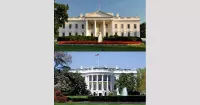
The White House located at Pennsylvania Avenue NW in Washington...

CNBC Consumer News and Business Channel is a prominent American...

The Trans-Pacific Partnership TPP was a proposed trade agreement among...

The stock market is where buyers and sellers trade stocks...
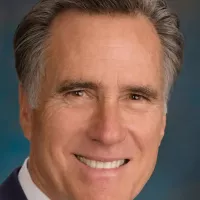
Mitt Romney is an American businessman and former politician He...

Deutsche Bank is a German multinational investment bank and financial...
Trending

4 hours ago Alexander Bublik Faces Backlash Following Intense Racket Smashing Outburst at Shanghai Masters

4 hours ago Trump Announces Energy Ceasefire Between Russia and Ukraine Amid Criticism

4 hours ago Shanghai Masters Tennis Tournaments and Predictions Update

4 hours ago Carlos Alcaraz Competes at Rolex Shanghai Masters Tournament

4 hours ago Robert Downey Jr. Linked to Doctor Doom Role in Upcoming Avengers: Doomsday Movie
4 hours ago Alexander Bublik Smashes Racket and Injures Himself During Shanghai Masters Match
Popular

Ken Paxton is an American politician and lawyer serving as...

Jameis Winston is an American football quarterback currently playing for...

Cristiano Ronaldo widely considered one of the greatest footballers captains...

Michael Joseph Jackson the King of Pop was a highly...

Elon Musk is a visionary entrepreneur and engineer known for...

Bernie Sanders is a prominent American politician and the senior...