History of Canada–New Zealand relations in Timeline


Canada and New Zealand maintain a robust relationship based on shared history, values, and Commonwealth ties. Both are former British Dominions with a common head of state. They actively collaborate in multilateral forums, including APEC, the Cairns Group, the Commonwealth, Five Eyes, the OECD, and the UN, demonstrating a commitment to international cooperation and shared interests in trade, security, and global governance.
September 3, 1939: New Zealand Declares War on Nazi Germany
On September 3, 1939, New Zealand declared war on Nazi Germany at 9:30 pm (NZT), joining the Allies in World War II.


September 10, 1939: Canada Declares War on Nazi Germany
On September 10, 1939, Canada declared war on Nazi Germany, joining the Allies in World War II, a week after New Zealand made a similar declaration.
1985: Canada/New Zealand Air Transport Agreement Signed
In 1985, the Canada/New Zealand Air Transport Agreement was signed, facilitating air travel between the two countries.
1987: Agreement on Film and Video Relations Signed
In 1987, Canada and New Zealand signed an Agreement on "Film and Video Relations", which led to growing cooperation in film and television between the two countries.
1994: General Agreement on Trade and Tariffs (GATT) 1994
In 1994, New Zealand cited Article XI of the General Agreement on Trade and Tariffs (GATT) in its complaint with the World Trade Organization regarding trade inconsistencies between Canada and New Zealand.
December 1997: New Zealand Lodges WTO Complaint
In December 1997, New Zealand lodged a complaint with the World Trade Organization (WTO), arguing that Canada's "special milk classes" scheme was inconsistent with trade agreements.
March 2002: Operation Anaconda
In March 2002, fifty Special Air Service of New Zealand (NZ SAS) units and Canadian forces took part in Operation Anaconda against al-Qaeda and Taliban forces in the Shahi-Kot Valley and Arma Mountains southeast of Zorma, Afghanistan.
2002: "Whale Rider" wins People's Choice Award at Toronto International Film Festival
In 2002, the film Whale Rider won the People's Choice Award at the Toronto International Film Festival. Nine out of the ten top-grossing centers in North America for New Zealand's Lord of the Rings were in Canada.
May 2003: Canada and New Zealand Reach Mutually Agreed Solution
In May 2003, Canada and New Zealand reached a mutually agreed solution following arbitration regarding New Zealand's complaint about Canada's "special milk classes" scheme.
2003: New Zealand Provincial Reconstruction Team in Bamyan Province
Since 2003, New Zealand has supplied two transport aircraft and a 122-strong tri-service Provincial Reconstruction Team located in Bamyan Province, Afghanistan.
December 2006: Canada's Ranking as Export Destination
In the year ended December 2006, Canada was New Zealand's 12th largest export destination and 14th largest trading partner with exports of NZ$553 million. Significant Canadian investments in New Zealand included McCains and Stratos Global Corporation.
2006: Canada's Main Exports to New Zealand
In 2006, Canada's main exports to New Zealand included aircraft, electrical equipment, machinery, and fertilizers. Canada's leading imports from New Zealand included meat, dairy products, agricultural machinery, and wine.
November 2007: Air New Zealand Begins Auckland-Vancouver Service
In November 2007, Air New Zealand began a non-stop service between Auckland and Vancouver, operating three times a week.
2007: Canadian Media Conglomerate Ownership of TV3 Ends
Until 2007, one of New Zealand's leading television channels, TV3, was owned by Canadian Media Conglomerate CanWest.
March 10, 2008: Multinational War Game Simulates Terrorist Attack
On March 10, 2008 (NZT) New Zealand, Canada, Australia, the United States and the United Kingdom took part in Cyber Storm 2, a multinational war game that simulated a terrorist attack on "strategic networks" such as power grids, financial centres and telecommunications.
April 11, 2008: CPPIB Withdraws Auckland Airport Bid
On April 11, 2008, the Canada Pension Plan Investment Board (CPPIB) gave up its bid to buy a 40% stake in Auckland Airport, citing the New Zealand government's attempts to restrict foreign investment in infrastructure. The CPPIB expressed disappointment with the outcome.
2010: Cyber Storm III Scheduled
In 2010, a report on the overall results of previous Cyber Storm exercises was scheduled to be published ahead of Cyber Storm III.
2011: Bilateral Trade Totals
In 2011, bilateral trade levels between Canada and New Zealand totalled CAD $932 million. Canadian exports to New Zealand amounted to $382 million, with fertilizers, machinery, meat, books, electrical equipment and wood products being Canada's top exports. Meat and wine were New Zealand's top exports to Canada.
December 2013: Canadian Tourists in New Zealand
In the year ending December 2013, 48,192 Canadian tourists visited New Zealand, making Canada the eighth largest source of tourists.
November 14, 2014: Working Holiday Scheme Extended
On November 14, 2014, Prime Minister Stephen Harper and Prime Minister John Key agreed to extend the Working Holiday Scheme from 12 months to 23 months, the most generous working holiday scheme New Zealand has with any other country.
2014: Canadian forces withdrew from Afghanistan
In 2014, Canadian forces completely withdrew from Afghanistan, while a small number of New Zealand forces remained in the country.
April 1, 2015: Extended Working Holiday Scheme Takes Effect
On April 1, 2015, the extended Working Holiday Scheme between Canada and New Zealand, agreed upon in November 2014, came into effect, increasing the allowed stay from 12 months to 23 months.
May 2022: New Zealand Initiates Dispute Settlement Proceedings
In May 2022, New Zealand initiated dispute settlement proceedings against Canada under the Comprehensive and Progressive Agreement for Trans-Pacific Partnership (CPTPP), challenging Canada's CPTPP dairy tariff rate quotas (TRQs).
June 2022: Canada and New Zealand Hold Consultations
In June 2022, the governments of Canada and New Zealand held consultations regarding New Zealand's dispute settlement proceedings against Canada's CPTPP dairy tariff rate quotas (TRQs), but were unable to resolve the dispute.
March 2023: Establishment of Arbitration Panel
On March 9, 2023, an arbitration panel was established to address the trade dispute between New Zealand and Canada regarding dairy tariff rate quotas (TRQs) under the CPTPP agreement. Jennifer Hillman, Petros Mavroidis, and Colleen Swords were selected as panelists.
June 2023: Dispute Hearing Held in Ottawa
Between June 14 and 15, 2023, a dispute hearing between New Zealand and Canada was held in Ottawa, following submissions by both sides.
September 2023: CPTPP Panel Rules in Favor of New Zealand
On September 6, 2023, the CPTPP panel ruled in favor of New Zealand, stating that Canada was not administering its dairy TRQs in a way that allowed importers to use them and that Canada's TRQ quota was favoring its domestic dairy processors.
February 2024: DCANZ Rejects New Canadian Proposals
On February 14, 2024, the Dairy Companies Association of New Zealand (DCANZ) rejected new Canadian proposals to modify its dairy TRQ system, claiming it was still insufficient to allow New Zealand dairy exporters fair access to the Canadian market.
May 2024: Canada Fails to Implement Changes to Dairy Tariff Rate Quotas
By May 2, 2024, Canada still had not implemented changes to its dairy tariff rate quotas. In response, New Zealand Trade Minister Todd McClay criticized Canada's refusal to comply with the CPTPP ruling as "cynical."
May 2024: Agreement Reached for Canada to Implement Panel's Findings
Under CPTPP rules, Canada and New Zealand reached an agreement for Canada to implement the Panel's findings by May 1, 2024.
October 2024: New Zealand triggers mandatory negotiations in Dairy Dispute
On 18 October 2024, McClay confirmed that the New Zealand Government had notified the Canadian Government that it would be triggering mandatory negotiations in order to resolve the dairy dispute between the two countries.
July 2025: New Zealand Firefighters Assist with Canadian Wildfires
In mid July 2025, New Zealand dispatched 45 firefighters to assist with combating the 2025 Canadian wildfires, which had affected parts of Manitoba.
Mentioned in this timeline
The United States of America is a federal republic primarily...

The Trans-Pacific Partnership TPP was a proposed trade agreement among...
New Zealand is an island country in the southwestern Pacific...

Germany officially the Federal Republic of Germany is located in...
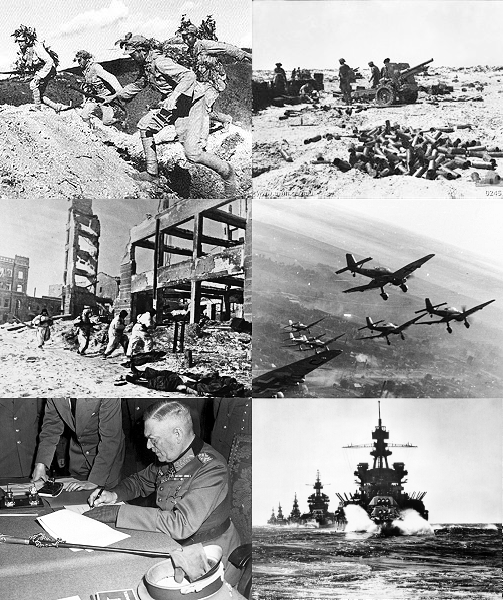
World War II - was a global conflict between the...

The Taliban also known as the Islamic Emirate of Afghanistan...
Trending
3 hours ago The New York Times Highlights Social Media Controversies and Personal Health Struggles

3 hours ago Tommy Paul Continues Professional Tennis Journey Amidst Global Sports and Tech Industry Shifts

3 hours ago Shanghai Masters Tennis Tournament Updates and Match Previews

4 hours ago Alexander Bublik Faces Backlash After Intense Racket Smashing Outburst at Shanghai Masters

4 hours ago New Film Artificial Explores OpenAI Creators and Future of Humanity
4 hours ago KOSPI Shares Plunge Amid Tech Sell-Off and Global Economic Pressures
Popular

Ken Paxton is an American politician and lawyer serving as...

Jameis Winston is an American football quarterback currently playing for...

Cristiano Ronaldo widely considered one of the greatest footballers captains...

Michael Joseph Jackson the King of Pop was a highly...

Elon Musk is a visionary entrepreneur and engineer known for...

Shakira Isabel Mebarak Ripoll the Queen of Latin Music is...