Challenges Faced by Jerome Powell: Obstacles and Turning Points


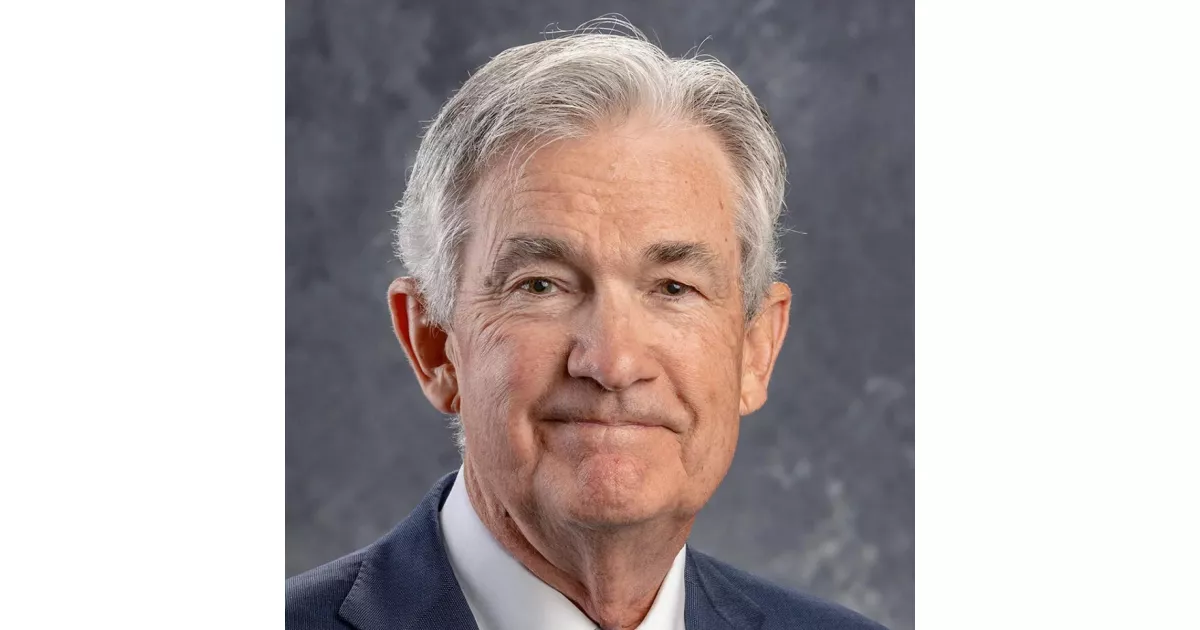
Life is full of challenges, and Jerome Powell faced many. Discover key struggles and how they were overcome.
Jerome Powell is an American central banker and attorney who served as the 16th chair of the Federal Reserve from 2018 to 2026. Prior to his role at the Federal Reserve, Powell worked as a lawyer and investment banker in the private sector. He then transitioned into public service, ultimately leading the central bank of the United States.
September 2012: Skeptic of QE3
In September 2012, Powell was a skeptic of round 3 of quantitative easing (QE3), though he eventually voted for it.


July 2018: Trump Expresses Displeasure with Powell's Interest Rate Hikes
In July 2018, President Trump publicly stated in a CNBC interview that he was "not thrilled" with Jerome Powell for raising interest rates, marking the beginning of Trump's consistent criticism of Powell's monetary policy decisions.
2018: Raising Interest Rates
In 2018, one of Powell's first actions as chair was to continue raising US interest rates in response to the increasing strength of the US economy. He also announced quantitative tightening.
January 2019: Powell States He Would Not Resign If Asked By Trump
In January 2019, Jerome Powell publicly stated that he would not resign from his position as Federal Reserve Chair if asked to do so by President Trump, amidst ongoing criticism and pressure from the President regarding interest rate policies.
February 2019: White House Counsel Examines Possibility of Firing Powell
In February 2019, after Powell announced another interest rate increase, Bloomberg News reported that the Office of White House Counsel examined President Trump's request to determine if he could legally fire Powell.
2019: Powell abandons Quantitative Tightening
In early 2019, Powell abandoned quantitative tightening, leading to a recovery in asset prices.
March 2020: Trump Claims He Could Fire Powell Amid COVID-19 Pandemic
In March 2020, amidst the initial onset of the COVID-19 pandemic in the United States, President Trump repeated his claim that he could fire Jerome Powell, although he tempered his comments afterwards.
November 19, 2020: Return of Crisis Funds
On November 19, 2020, Powell agreed to return unused crisis funds to the United States Treasury and urged Congress to approve more stimulus.
2020: Stock Market Decline
In 2020, Powell's tenure saw a broad uplift in financial markets, apart from two stock markets declines in 2020 and 2022.
2020: Response to COVID-19 Pandemic
In early 2020, Powell launched an unprecedented series of actions to counter the financial market impact of the COVID-19 pandemic, including expansion of the Fed's balance sheet and direct purchase of corporate bonds.
August 2021: Progressive Democrats Call for Powell's Replacement
In August 2021, progressive Democrats, including Alexandria Ocasio-Cortez, called on President Joe Biden to replace Jerome Powell, criticizing him for failing to "mitigate the risk climate change poses to our financial system."
September 2021: Senator Warren Criticizes Powell's Financial Regulation Record
In September 2021, Senator Elizabeth Warren criticized Jerome Powell for his financial regulation track record and called him a "dangerous man to head up the Fed."
2021: Navigating Inflation Surge
In 2021, the Federal Reserve under Powell navigated the economic impact of the COVID-19 pandemic along with the 2021-2023 inflation surge, and global trade instability.
March 17, 2022: U.S. Federal Reserve Began Its Rate Hike Cycle
In response to high inflation, the U.S. Federal Reserve began its rate hike cycle on March 17, 2022 when it raised rates by 25 basis points.
2022: Stock Market Decline
In 2022, Powell's tenure saw a broad uplift in financial markets, apart from two stock markets declines in 2020 and 2022.
July 2023: Central Bank Hiked Rates Ten More Times Through July 2023
In response to high inflation, the central bank proceeded to hike rates ten more times through July 2023—raising the benchmark rate by 5.25% cumulatively.
2023: Navigating Inflation Surge
In 2023, the Federal Reserve under Powell navigated the economic impact of the COVID-19 pandemic along with the 2021-2023 inflation surge, and global trade instability.
April 2025: Trump Calls for Powell's Termination on Truth Social
In April 2025, Donald Trump posted on Truth Social that "Powell's termination cannot come fast enough!" expressing his continued disapproval regarding the Fed's maintenance of higher interest rates.
June 2025: Powell Testified Before the Senate Banking Committee
In June 2025, Powell testified before the Senate Banking Committee, concerning, in part, a multi-year project to renovate historic Federal Reserve office buildings. This testimony later became the subject of a criminal indictment.
July 2025: Powell Subject of Federal Investigation Related to Congressional Testimony
In July 2025, Jerome Powell became the subject of a federal investigation related to his congressional testimony. Politico reported that Russell Vought, the director of the Office of Management and Budget, was investigating a $2.5 billion renovation to the Eccles Building that could serve as the basis for a "for cause" removal.
July 16, 2025: Reports Surface of Trump Penning Letter to Dismiss Powell
On July 16, 2025, it was reported that Donald Trump penned a letter to dismiss Jerome Powell as Fed Chair, but Trump later denied those reports to reporters at the White House.
January 11, 2026: Powell States Department of Justice Served the Federal Reserve with Grand Jury Subpoenas
On January 11, 2026, Jerome Powell stated that the Department of Justice had served the Federal Reserve with grand jury subpoenas two days earlier, threatening a criminal indictment related to his testimony in June 2025 before the Senate Banking Committee, which concerned, in part, a multi-year project to renovate historic Federal Reserve office buildings.
May 2026: Republican Senator Opposes Any Federal Reserve Nomination Until Legal Matter is Resolved
In response to the investigation announcement, Republican U.S. Senator Thom Tillis, who sits on the Senate Banking Committee, announced that he would oppose any Federal Reserve nomination (including the vacancy of Powell's seat as chair in May 2026) until the legal matter was resolved.
Mentioned in this timeline

Donald John Trump is an American politician media personality and...

Barack Obama the th U S President - was the...
Joe Biden served as the th President of the United...

Alexandria Ocasio-Cortez AOC is a prominent American politician and activist...
Elizabeth Warren is a prominent American politician currently serving as...

CNBC Consumer News and Business Channel is a prominent American...
Trending

4 hours ago Tim Daly and Tea Leoni Star in New NBC Sitcom Newlyweds

4 hours ago Jennifer Lawrence Launches Her New Haircare Brand Named MES
4 hours ago Tony Shalhoub and Josie Adams Release Heartfelt New Memoir Celebrating Family and Food

4 hours ago Legal Challenges Surround Denaturalization Cases and Ilhan Omar's Sudden Housing Transition

4 hours ago Tennis Match Prediction Markets Trending for Late October 2026

5 hours ago Ozzy Osbourne Remembered by Family Following His Passing and Private Burial
Popular

Ilhan Omar is a prominent American politician currently serving as...

Ken Paxton is an American politician and lawyer serving as...

Elon Musk is a visionary entrepreneur and engineer known for...
William Franklin Graham III known as Franklin Graham is an...
Barack Obama the th U S President - was the...

Greg Abbott is the current and th Governor of Texas...