Early Life and Education of Justin Trudeau: A Complete Timeline


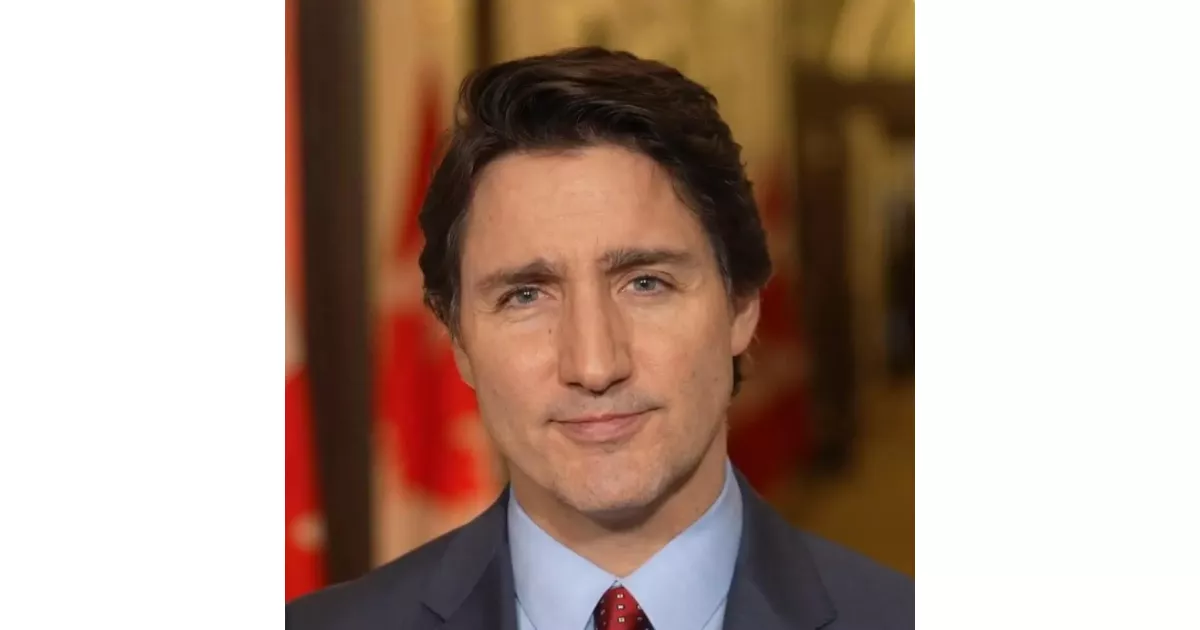
An overview of the childhood and early education of Justin Trudeau, highlighting the experiences that shaped the journey.
Justin Trudeau served as Canada's 23rd prime minister from 2015 to 2025. As leader of the Liberal Party starting in 2013, he led the party to a majority government in 2015, ending nearly a decade of Conservative rule. Trudeau's tenure focused on social policies, including the legalization of cannabis, and economic measures aimed at supporting the middle class. He resigned as Prime Minister in 2025, also stepping down as the Liberal Party leader. Prior to becoming Prime Minister, he was the MP for Papineau from 2008 until 2025.
1906: Thomas Bernard Immigrates to Canada
In 1906, Thomas Bernard, Justin Trudeau's maternal great-grandfather, immigrated to Penticton, British Columbia, from Makassar, Indonesia, at age 15.


October 30, 1917: Death of Major Talbot Mercer Papineau
On October 30, 1917, Major Talbot Mercer Papineau, Justin Trudeau's fifth cousin twice removed, was killed during the Battle of Passchendaele. Justin Trudeau later portrayed him in the miniseries "The Great War".
June 23, 1971: Pregnancy Announcement
On June 23, 1971, the Prime Minister's Office announced that Margaret Trudeau was pregnant with Justin.
December 25, 1971: Justin Trudeau Born
On December 25, 1971, Justin Pierre James Trudeau was born. He would later become the 23rd prime minister of Canada.
January 16, 1972: Baptism and First Public Appearance
On January 16, 1972, Justin Trudeau was baptized at Ottawa's Notre Dame Basilica, marking his first public appearance. His godmother was his father's niece, Anne Rouleau-Danis, and his godfather was his mother's brother-in-law, Thomas Walker.
April 14, 1972: Gala at the National Arts Centre with Richard Nixon
On April 14, 1972, Justin Trudeau's parents hosted a gala at the National Arts Centre, where U.S. President Richard Nixon toasted to Justin as the "future prime minister of Canada." First Lady Pat Nixon gifted him a stuffed toy Snoopy earlier that day.
December 25, 1973: Birth of Alexandre "Sacha" Trudeau
On December 25, 1973, Justin Trudeau's younger brother, Alexandre "Sacha" Trudeau, was born.
October 2, 1975: Birth of Michel Trudeau
On October 2, 1975, Justin Trudeau's youngest brother, Michel Trudeau, was born.
1976: Enrolled in Rockcliffe Park Public School
In 1976, Justin Trudeau was enrolled in the French immersion program at Rockcliffe Park Public School. His parents opted for him to take the school bus, although a Royal Canadian Mounted Police (RCMP) car followed for security.
1977: Parents Announce Separation
In 1977, when Justin Trudeau was five years old, his parents announced their separation. His father was given primary custody.
September 1979: Move to Stornoway and Mother's New Home
In September 1979, after his father's government was defeated, Justin Trudeau and his family were expected to move to Stornoway, but due to flooding, they temporarily stayed at Harrington Lake. His mother purchased a new home nearby at 95 Victoria Street.
October 1979: Nanny Interview
In October 1979, Justin Trudeau's nanny, Dianne Lavergne, was interviewed and described Justin as a "mommy's boy."
1979: Historical Election Result
In 1979, the party that garnered the largest share of the national popular vote did not win the most seats, marking a significant historical election result.
February 1980: Return to 24 Sussex Drive
Following the February 1980 election that returned Pierre Trudeau to the Prime Minister's Office, Justin Trudeau and his family returned to the prime minister's official residence at 24 Sussex Drive.
1980: Liberals in Quebec
In 1980, Justin Trudeau's father led the Liberals to a near-sweep of Quebec, marking a significant moment for the party in that province.
June 1984: Move to Cormier House
After his father's retirement in June 1984, Justin Trudeau and his family moved into his father's home at 1418 Pine Avenue, Montreal, known as Cormier House.
1984: Parents' Divorce
In 1984, Justin Trudeau's mother filed for a no-fault divorce, which was granted by the Supreme Court of Ontario. This occurred a month after his father announced his intention to retire as prime minister.
1988: Supported John Turner in federal election
In 1988, Justin Trudeau, from a young age, supported the Liberal Party and offered his support to party leader John Turner during the federal election.
1988: Enactment of the Emergencies Act
The Emergencies Act was enacted in 1988.
December 7, 1994: Pierre Trudeau's arms and crest were granted by the Canadian Heraldic Authority
On December 7, 1994, Pierre Trudeau's arms and crest were granted by the Canadian Heraldic Authority, which Justin Trudeau would later inherit.
1994: Earned Bachelor of Arts Degree
In 1994, Justin Trudeau earned a Bachelor of Arts degree in literature from McGill University.
November 13, 1998: Death of Michel Trudeau
On November 13, 1998, Justin Trudeau's youngest brother, Michel Trudeau, passed away.
1998: Earned Bachelor of Education Degree
In 1998, Justin Trudeau earned a Bachelor of Education degree from the University of British Columbia.
1998: Trudeau regains his faith after brother's death
In 1998, after the death of his brother Michel, Justin Trudeau participated in an Alpha course and regained his faith.
September 8, 2000: Trudeau inherits his father's arms and crest
Following the death of his father, Pierre Trudeau, on September 8, 2000, Justin Trudeau inherited his father’s arms and crest.
October 2000: Eulogy at Father's State Funeral
In October 2000, Justin Trudeau delivered a eulogy at his father's state funeral, which significantly raised his public profile.
2000: Started Kokanee Glacier Alpine Campaign
In 2000, Justin Trudeau and his family launched the Kokanee Glacier Alpine Campaign to promote winter sports safety. This initiative came two years after the death of his brother Michel in an avalanche during a ski trip.
2001: Arabian Nights Gala
In 2001, Justin Trudeau wore brownface makeup in the spring at an Arabian Nights-themed gala, while he was a teacher at West Point Grey Academy.
2002: Studied Engineering at École Polytechnique de Montréal
From 2002, Justin Trudeau studied engineering at the École Polytechnique de Montréal, affiliated with Université de Montréal, but did not graduate.
2002: Criticized British Columbia avalanche funding cut
In 2002, Justin Trudeau publicly criticized the Government of British Columbia's decision to discontinue funding for the public avalanche warning system, advocating for the continuation of these safety measures.
2002: Chair of Katimavik & Further Studies
In 2002, Justin Trudeau served as chair of Katimavik, a youth charity. He also returned to Montreal to further his studies in engineering at the École Polytechnique de Montréal.
June 2003: Justin Trudeau and Sophie Grégoire reconnect as adults
In June 2003, Justin Trudeau reconnected with Sophie Grégoire when she was assigned as his co-host for a charity ball, leading to them dating several months later.
April 2004: Inaugurated Trudeau Centre for Peace and Conflict Studies
In April 2004, Justin Trudeau and his brother Alexandre inaugurated the Trudeau Centre for Peace and Conflict Studies at the University of Toronto, which later became part of the Munk School of Global Affairs.
October 2004: Trudeau and Grégoire become engaged
In October 2004, Justin Trudeau and Sophie Grégoire became engaged.
2004: Withdrew from Master's Program
In 2004, Justin Trudeau withdrew from a master's degree program in environmental geography at McGill to seek public office.
May 28, 2005: Trudeau marries Sophie Grégoire
On May 28, 2005, Justin Trudeau married Sophie Grégoire in a ceremony at Montreal's Sainte-Madeleine d'Outremont Church.
2005: Fought against proposed zinc mine
In 2005, Justin Trudeau campaigned against a proposed $100-million zinc mine, arguing that it would contaminate the Nahanni River, a United Nations World Heritage Site in the Northwest Territories.
September 17, 2006: Master of ceremonies at Darfur rally
On September 17, 2006, Justin Trudeau served as the master of ceremonies at a Toronto rally organized by Roméo Dallaire, advocating for Canadian involvement in addressing the Darfur crisis.
2006: Papineau Riding Lost by the Liberal Party
In 2006, the Papineau riding, previously held by the Liberal Party for 53 years, was lost to the Bloc Québécois.
2008: Fond Memories of Camping with Father
In 2008, Justin Trudeau reflected on his early family outings and noted that he enjoyed camping with his father the most, as it was a time when his father could be just a dad.
2009: Trudeau on Parents' Marriage
In 2009, Justin Trudeau reflected on his parents' marriage, noting the strong love they had for each other but also the challenges posed by the age difference and his mother's unequal partnership in his father's life.
2010: Advocated for Haiti earthquake relief
In 2010, Justin Trudeau advocated for increased Canadian relief efforts and more accessible immigration procedures for Haitians following the devastating earthquake in Haiti. His riding includes a significant Haitian community.
August 2011: Assets of First Numbered Company
As of August 2011, the first numbered company, in which Justin Trudeau and his brothers were given shares, had assets of $1.2 million.
2011: Previous Election
In 2011 the Liberal party had a weak showing that led to the victory in 2015.
2011: Trudeau states that his personal faith is important
In 2011, Justin Trudeau stated, "My own personal faith is an extremely important part of who I am and the values that I try to lead with."
March 31, 2012: Won charity boxing match against Patrick Brazeau
On March 31, 2012, Justin Trudeau participated in a charity boxing match against Conservative senator Patrick Brazeau as part of the Fight for the Cure event, winning in the third round. The match was broadcast live on Sun News.
June 2013: Trudeau sells Montreal home and rents in Ottawa
In June 2013, two months after becoming Liberal Party leader, Justin Trudeau and his wife sold their home in Montreal and began renting a home in Ottawa's Rockcliffe Park.
July 2013: Blind Trust Setup
In July 2013, Justin Trudeau fulfilled his pledge to place his assets, excluding real estate, into a blind trust managed by BMO Private Banking.
2013: Gave up seat at Nelson Mandela's funeral
In 2013, Justin Trudeau chose to give up his seat at Nelson Mandela's funeral to Irwin Cotler as representative of the Liberal Party of Canada, in deference to Cotler's work for and with Nelson Mandela in fighting apartheid.
August 18, 2014: Intruder breaks into Trudeau's home
On August 18, 2014, an intruder broke into Justin Trudeau's home while his wife and children were sleeping, leaving a threatening note.
2014: Economic Platform Launch
In 2014, Justin Trudeau released an internet video titled "An economy that benefits us all" to narrate his economic platform, emphasizing the need for Ottawa to 'step up' given Canada's improved debt to GDP ratios.
October 19, 2015: Federal Election Victory
On October 19, 2015, Justin Trudeau led the Liberal Party to a decisive victory in the federal election, winning 184 of 338 seats and forming a strong majority government.
November 4, 2015: Swearing-In Ceremony
On November 4, 2015, Justin Trudeau and his Cabinet were sworn in by Governor General David Johnston, marking the beginning of his term as Prime Minister.
December 3, 2015: Legislative Priorities Announced
On December 3, 2015, after Parliament reconvened, Justin Trudeau announced his first legislative priority: to lower taxes for middle-income Canadians and raise taxes for the top 1% of income earners.
2015: Trudeau opts to live at Rideau Cottage after electoral victory
Following his electoral victory in 2015, Justin Trudeau opted to live at Rideau Cottage, on the grounds of Rideau Hall.
2016: Medically-Assisted Dying Legalized
In 2016, Canada introduced the right to medically-assisted dying.
2016: Immigration Level Recommendations
In 2016, Justin Trudeau's advisors recommended drastically increasing immigration levels to stimulate the economy.
2016: Estimated Value of Country Estate Land
In 2016, the country estate land in the Laurentians, which Justin Trudeau and his brothers were given, was estimated to be worth $2.7 million.
2018: Cannabis Legalization
In 2018, Canada legalized cannabis for recreational use.
September 11, 2019: Request for Dissolution of Parliament
On September 11, 2019, Justin Trudeau visited Governor General Julie Payette to request the dissolution of Parliament, formally triggering an election.
September 2019: Brownface and Blackface Controversy
In September 2019, controversial pictures and video were published showing Justin Trudeau in brownface and blackface.
September 18, 2019: Time Magazine Brownface Photo Publication
On September 18, 2019, Time magazine published a photograph of Justin Trudeau wearing brownface makeup at an Arabian Nights-themed gala in 2001, while he was a teacher at West Point Grey Academy.
2019: Chinese Government Interference Allegations
In 2019, allegations of Chinese government interference in the Canadian federal elections prompted the Public Inquiry into Foreign Interference in Federal Electoral Processes and Democratic Institutions.
April 2020: Introduction of COVID-19 Relief Programs
In April 2020, Justin Trudeau introduced the Canada Emergency Wage Subsidy, the Canada Emergency Business Account, and the Canada Emergency Student Benefit to address the economic impact of the pandemic.
May 12, 2020: Exclusive Deal with CanSino Biologics
On May 12, 2020, the Justin Trudeau government announced an exclusive deal with CanSino Biologics for COVID-19 vaccines, which later fell through due to deteriorating Canadian-Chinese relations.
August 5, 2020: Vaccine Dose Securing Plan
On August 5, 2020, the Justin Trudeau government created a plan to secure doses of the Pfizer and Moderna vaccines.
December 2020: Implementation of Mass-Vaccination Program
Starting in December 2020, Justin Trudeau oversaw the implementation of Canada's mass-vaccination program.
2020: COVID-19 Pandemic Impact
In 2020, the COVID-19 pandemic significantly impacted Canada's economy, ending the Trudeau government's trend of reducing the debt-to-GDP ratio.
2020: COVID-19 Second Wave
In the fall of 2020 there was a strong second wave of the COVID-19 pandemic in Canada.
2020: Nova Scotia Attacks Inquiry
Justin Trudeau launched the Joint Federal/Provincial Commission into the 2020 Nova Scotia attacks, in partnership with the Government of Nova Scotia.
September 2021: Federal Aid Programs Phase Out
The 2021 Canadian federal budget planned to phase out federal aid programs by the end of September 2021, projecting a $354.2-billion deficit in the 2020–21 fiscal year.
December 2021: Expansion of Canada Worker Lockdown Benefit
In December 2021, the Canada Worker Lockdown Benefit was expanded during the spread of the Omicron variant.
2021: National Child Care Plan Announced
In 2021, Justin Trudeau announced the creation of a national child care plan, aiming to reduce day care fees for parents to $10 a day per child within five years.
2021: Chinese Government Interference Allegations
In 2021, allegations of Chinese government interference in the Canadian federal elections prompted the Public Inquiry into Foreign Interference in Federal Electoral Processes and Democratic Institutions.
January 15, 2022: Introduction of Vaccine Requirements for Truckers
On January 15, 2022, the Government of Canada introduced COVID-19 vaccine requirements for truckers re-entering the country by land, leading to the Canada convoy protest.
February 14, 2022: Invocation of the Emergencies Act
On February 14, 2022, Justin Trudeau invoked the Emergencies Act for the first time since 1988 due to the public order emergency caused by demonstrations in Ottawa.
February 23, 2022: Revocation of Emergency Declaration
On February 23, 2022, Justin Trudeau announced that the federal government would revoke the emergency declaration, which was subsequently signed by the governor general.
November 2022: Increased Immigration Targets
In November 2022, the Justin Trudeau government announced that Canada would admit 500,000 immigrants per year by 2025.
February 17, 2023: Judicial Inquiry Conclusion on Emergencies Act
On February 17, 2023, a judicial inquiry concluded that the Justin Trudeau government met the legal threshold required to invoke the Emergencies Act.
August 2, 2023: Trudeau and Grégoire announce separation
On August 2, 2023, Justin Trudeau and Sophie Grégoire announced their separation.
September 22, 2023: Hunka Recognition Scandal
On September 22, 2023, Yaroslav Hunka, who fought in the SS Division Galicia, was invited to the House of Commons and recognized by Speaker Anthony Rota, receiving standing ovations from house members, including Justin Trudeau and Ukrainian President Volodymyr Zelenskyy, leading to a political scandal.
2023: High Immigration Numbers
In 2023, Canada reached almost 1 million newcomers (permanent and temporary residents).
May 2024: Housing Value Statement
In a May 2024 interview, Justin Trudeau asserted that 'housing needs to retain its value'.
October 2024: Immigration Target Cuts Announced
In October 2024, as Canadians faced cost of living and housing crises, Justin Trudeau announced cuts to immigration targets in a video message.
December 2024: Resignation of Chrystia Freeland
In December 2024, Deputy Prime Minister Chrystia Freeland suddenly resigned, leading to a political crisis.
December 2024: Approval Rating Decline
In December 2024, Justin Trudeau's approval rating plummeted to 22%, down from 65% in 2016.
2024: Emergencies Act Invocation Ruled "Not Justified"
In early 2024, Federal Court judge Richard Mosley ruled that the federal government's invocation of the Emergencies Act to end the 2022 convoy protest was "not justified" and infringed on Charter rights.
January 6, 2025: Trudeau announces resignation as Liberal leader and Prime Minister
On January 6, 2025, Justin Trudeau announced his resignation as leader of the Liberal Party and as Prime Minister of Canada after the party elects his successor, citing the need for a 'real choice' for Canada and facing 'internal battles'. He also announced prorogation of Parliament until March 24.
January 2025: Resignation as Prime Minister and Liberal Leader
In January 2025, following a decline in popular support and the resignation of Chrystia Freeland, Justin Trudeau announced his resignation as prime minister and leader of the Liberal Party.
April 2025: Trudeau campaigns for Liberal candidate
In April 2025, Justin Trudeau made his first public engagement following his resignation, campaigning for Liberal candidate Marjorie Michel in his former riding of Papineau.
2025: Reports of Trudeau dating Katy Perry emerge
In 2025, it was reported that Justin Trudeau was dating American singer Katy Perry.
2025: Population Growth Reports
Reports released in early 2025 suggested that population growth would not be significantly slowed even with the Justin Trudeau government's proposed cuts.
January 2026: Trudeau attends World Economic Forum in Davos
In January 2026, Justin Trudeau attended the World Economic Forum's annual meeting in Davos, Switzerland.
January 2026: Emergencies Act Ruling Appeal Lost
In January 2026, the federal government lost its appeal of the ruling that its invocation of the Emergencies Act was not justified.
February 2026: Trudeau purchases home in Montreal and begins divorce proceedings
In February 2026, Justin Trudeau purchased a family home in Outremont, Montreal, and real estate documents indicated that he and Sophie Grégoire Trudeau are in the process of divorcing.
Mentioned in this timeline
Joe Biden served as the th President of the United...
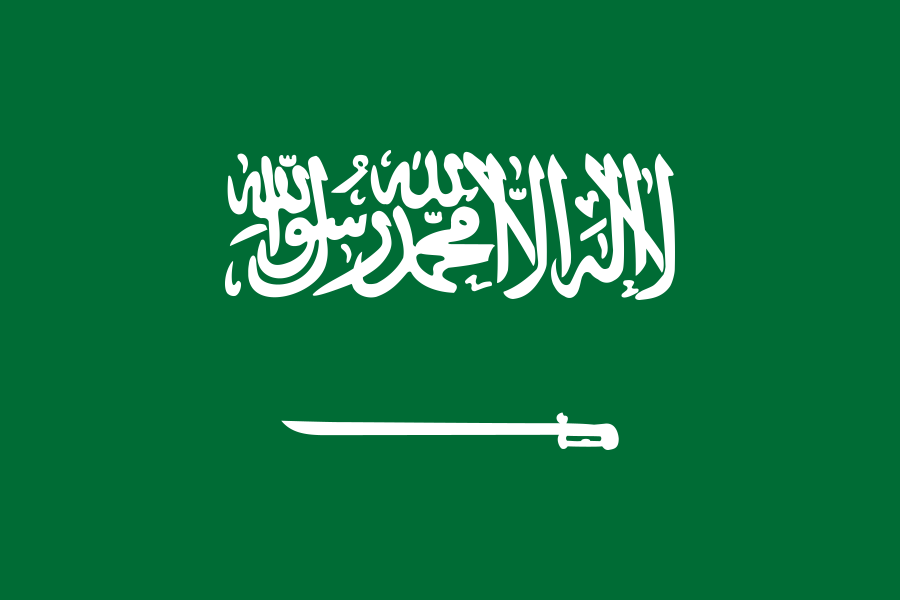
Saudi Arabia officially the Kingdom of Saudi Arabia KSA is...
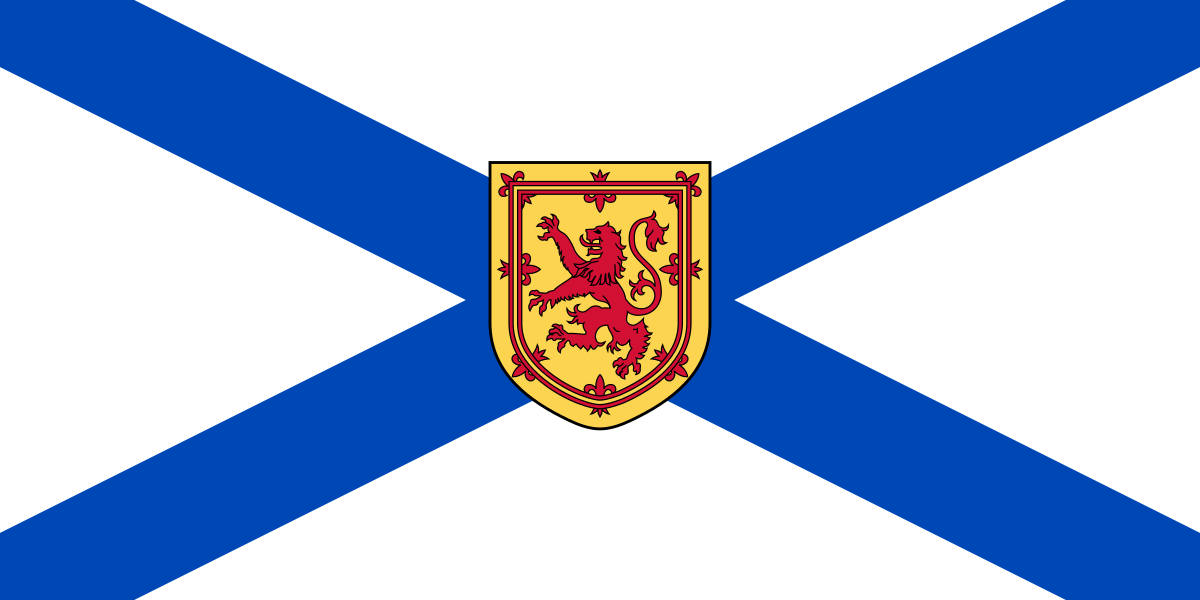
Nova Scotia is a province located in the Maritimes region...

Pfizer Inc is a leading global pharmaceutical corporation headquartered in...
India officially the Republic of India is a South Asian...
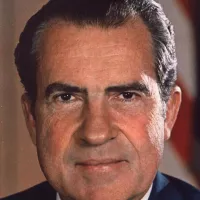
Richard Nixon the th U S President served from -...
Trending
3 hours ago John Wayne's Lasting Legacy, Family Relations, and True Grit Comparisons

4 hours ago Alexandra Eala Prepares for Wuhan Open First Round Battle Against Han Shi
4 hours ago US Authorities Take Associate of Maduro's Front Man Into Custody
4 hours ago Alexander Bublik Smashes Racket Five Times During Wild Shanghai Masters Outburst

4 hours ago Daisy Edgar-Jones Stars in Gritty 2026 Sense and Sensibility Adaptation
4 hours ago Keri Russell Shares Candid Confessions About Her Romantic Relationship With Matthew Rhys
Popular

Ken Paxton is an American politician and lawyer serving as...

Jameis Winston is an American football quarterback currently playing for...
Cristiano Ronaldo widely considered one of the greatest footballers captains...
Michael Joseph Jackson the King of Pop was a highly...

Elon Musk is a visionary entrepreneur and engineer known for...
Bernie Sanders is a prominent American politician and the senior...