Childhood and Education Journey of Philip Game in Timeline


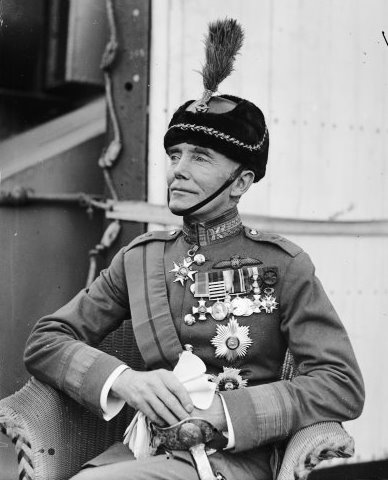
Discover the defining moments in the early life of Philip Game. From birth to education, explore key events.
Sir Philip Woolcott Game (1876–1961) was a distinguished British military officer and colonial administrator. A career soldier, he reached the rank of Air Vice-Marshal in the Royal Air Force before retiring to serve in various high-level governmental capacities. He is best known for his tenure as the Governor of New South Wales, Australia, during the Great Depression. His term was marked by a significant constitutional crisis involving his dismissal of Premier Jack Lang in 1932, an event that remains a pivotal moment in Australian political history. Following his Australian service, Game served as the Commissioner of the Metropolitan Police in London from 1935 to 1945, overseeing the force during the challenging years of the Second World War and the Blitz. Throughout his career, Game was recognized for his disciplined approach, integrity, and adherence to constitutional norms during periods of intense social and political upheaval.
February 1901: Officer in Charge at Queen Victoria's Funeral
During February 1901, Philip Game served as the officer in charge of the gun carriage that transported the coffin of Queen Victoria at her funeral service.


August 1908: Marriage to Gwendolen Margaret Hughes-Gibb
On 11 August 1908, Philip Game married Gwendolen Margaret Hughes-Gibb, the daughter of Francis Hughes-Gibb of Dorset.
1910: Staff College Attendance
In 1910, Philip Game attended the Staff College in Camberley to further his military education and professional development.
January 1929: Sudden Retirement
On January 1, 1929, at the age of 52, Game retired suddenly from his military post, reportedly due to speculation surrounding his potential appointment as Chief of the Air Staff.
1929: Retirement from Military Service
After a distinguished military career reaching the rank of air vice-marshal, Philip Game retired from the Royal Air Force in 1929.
October 1930: State Election and Change of Government
In October 1930, the State elections resulted in the defeat of the Bavin Nationalist Government, leading to Labor Party leader Jack Lang becoming the Premier.
March 1932: The Opening of the Sydney Harbour Bridge and Ribbon-Cutting Controversy
In March 1932, Philip Game navigated a political controversy regarding the opening of the Sydney Harbour Bridge. While Jack Lang intended to cut the ribbon, inciting anger from the King and the New Guard, Game supported Lang's right to perform the ceremony. The event escalated on 19 March 1932 when Francis de Groot slashed the ribbon before the official ceremony; the ribbon was subsequently repaired, allowing Lang to proceed with the opening while Game attended and delivered a commemorative speech.
1936: Metropolitan Police leadership during the abdication crisis
In 1936, Philip Game served as the Commissioner of the Metropolitan Police throughout the politically and socially significant abdication crisis of King Edward VIII.
February 1961: Death of Philip Game
Philip Game passed away in February 1961 at the age of 84, having retired to Kent with his wife, Gwendoline.
1972: Death of Gwendolen Margaret Hughes-Gibb
In 1972, Gwendolen Margaret Hughes-Gibb, the wife of Philip Game, passed away.
28 March 1931: Federal Labor Party expels NSW Labor Party
Due to fundamental disagreements regarding financial policy and the administration's stance, the Federal Labor Party officially expelled the New South Wales Labor Party on 28 March 1931.
29 March 1931: Game assesses Lang's political viability
On 29 March 1931, Philip Game informed the Dominions Secretary, James Henry Thomas, that he saw no compelling reason to dismiss Lang at that time, as he was not convinced that Lang would necessarily lose an election if one were called.
Mentioned in this timeline

India officially the Republic of India is a South Asian...

Australia officially the Commonwealth of Australia is a country encompassing...
France officially the French Republic is primarily in Western Europe...
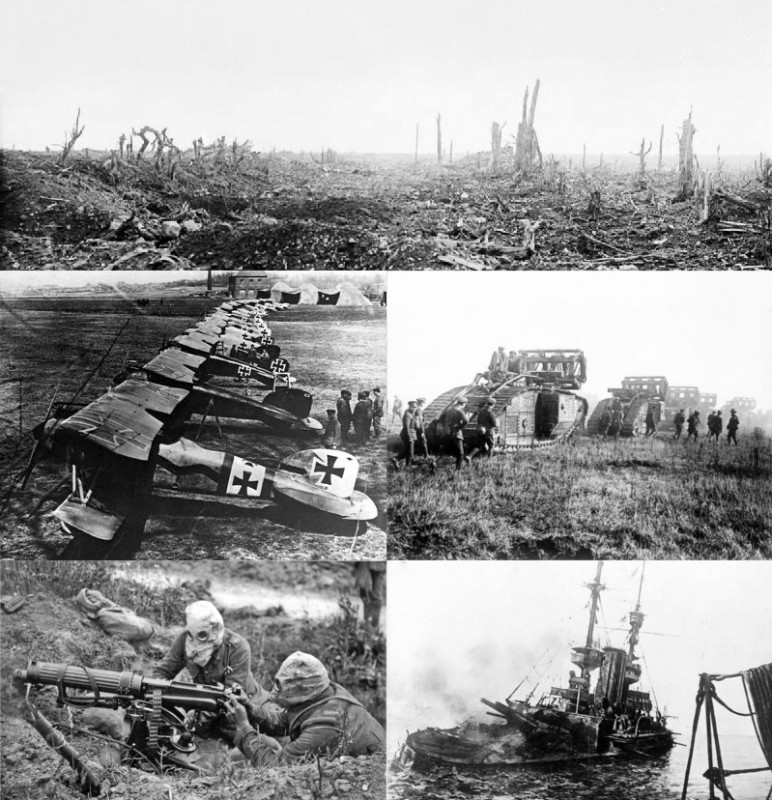
World War I a global conflict between the Allies and...
War is defined as an armed conflict involving the armed...
An empire is a political structure consisting of a dominant...
Trending

3 hours ago Lorenzo Sonego Competes in Open Parc Auvergne-Rhone-Alpes Tennis Tournament
4 hours ago Measles Exposure Identified at Houston County LongHorn Steakhouse in Georgia
4 hours ago James Talarico Challenges Ken Paxton in Competitive Texas Election Race

5 hours ago Christiane Amanpour Announces Departure From CNN After 43 Years

5 hours ago Growing Landslide Tsunami Risks Threaten Alaska Fjords

5 hours ago Melania Trump Joins Executive Order Establishing New Women's Health Task Force
Popular

Ilhan Omar is a prominent American politician currently serving as...
Ken Paxton is an American politician and lawyer serving as...

Michael Joseph Jackson the King of Pop was a highly...

Elon Musk is a visionary entrepreneur and engineer known for...

Cristiano Ronaldo widely considered one of the greatest footballers captains...

MrBeast the professional name of Jimmy Donaldson is the most-subscribed...