


Xbox Cloud Gaming is a cloud-based service from Microsoft that allows users to stream high-quality console games across various devices, including PCs, consoles, tablets, and smartphones. By leveraging Microsoft's global Azure data centers, the service removes the need for powerful local hardware, as games are rendered remotely and delivered via the internet. A core component of the Xbox Game Pass Ultimate subscription, it offers a vast library of titles accessible anywhere with a stable internet connection. The service emphasizes accessibility and flexibility, enabling seamless cross-platform progression and play. By eliminating traditional hardware barriers, Xbox Cloud Gaming significantly lowers the cost of entry for premium gaming experiences, marking a shift toward a software-as-a-service model in the interactive entertainment industry.


2016: Conceptualization of Xbox Cloud Gaming
In 2016, following his success with Xbox 360 backwards compatibility, Kareem Choudhry received approval from Phil Spencer to establish a small team to explore the feasibility of cloud-based gaming, marking the foundational research phase for what would become Xbox Cloud Gaming.

May 2019: Commencement of Project xCloud Home Testing
In May 2019, the Project xCloud service moved into a home testing phase, allowing for gameplay to be tested outside of the controlled laboratory environment.
October 2019: Beginning of Service Trials
In October 2019, Microsoft officially initiated the initial trial phase for its cloud gaming platform.
November 2019: Service Expansion and Feature Testing
By November 2019, the cloud gaming service expanded its library to include 50 titles and began testing compatibility for iOS mobile devices and DualShock controllers.
2019: Xbox Cloud Gaming Service Launch
The cloud gaming service officially launched in 2019, utilizing server configurations that were upgraded to feature eight customized Xbox One S-based units within a 2U enclosure.
August 2020: Microsoft halts xCloud iOS testing
In August 2020, Microsoft officially suspended its testing of xCloud for iOS devices. This decision followed a conflict with Apple regarding App Store policies, as Apple claimed the service bypassed standard app review processes, while Microsoft argued that these policies restricted the intended functionality of their cloud streaming service.
September 2020: Apple Rule Change for Cloud Gaming on iOS
In September 2020, Apple modified its App Store guidelines to allow cloud gaming services like xCloud on iOS, but imposed strict requirements mandating that every individual game be offered as a separate download on the store rather than allowing a unified streaming catalog.
October 2020: Proposal of Browser-Based xCloud for iOS
In October 2020, Microsoft proposed circumventing Apple's App Store restrictions by developing a browser-based web application for xCloud, allowing the service to function on iOS devices without needing to follow individual application requirements for each game.
March 2021: Introduction of Cloud Play for Backward Compatible Titles
In March 2021, Microsoft expanded its cloud gaming service by adding support for select original Xbox and Xbox 360 titles via its backward compatibility program. This update, launched in March 2021, featured an initial library of 16 games, allowed for the use of cloud-saved data from original Xbox Live Gold play sessions, and introduced official touch controls for certain titles on mobile devices.
April 20, 2021: Launch of Invite-Only Browser Beta
On April 20, 2021, Microsoft officially initiated an invite-only beta testing phase for the browser-based version of its cloud gaming platform.

June 28, 2021: Full Release for Game Pass Subscribers
On June 28, 2021, the full browser-based version of the Xbox cloud gaming service was released, making it available to all existing Xbox Game Pass subscribers.
May 2022: Confirmation of Keystone Streaming Device
In May 2022, Microsoft officially confirmed that they were working on the development of a dedicated cloud gaming streaming device, which was known at the time by the codename Keystone.
June 2022: Further Expansion to Argentina and New Zealand
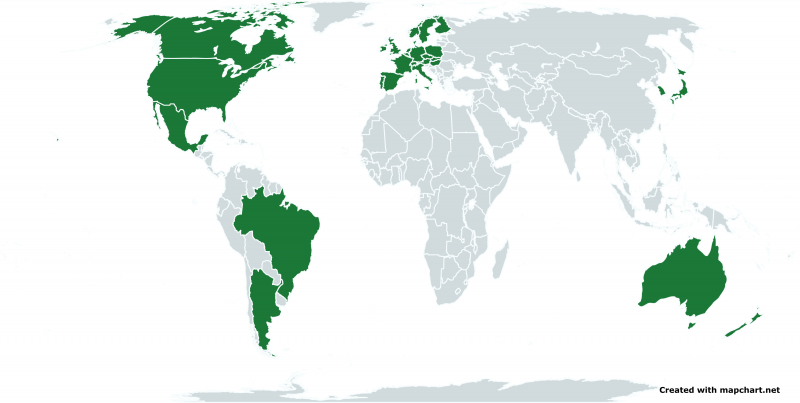
In June 2022, Microsoft continued its international rollout, making the Xbox Cloud Gaming service available to customers in Argentina and New Zealand.
July 2022: Xbox Cloud Gaming Launches on Samsung Smart TVs
In July 2022, Microsoft expanded Xbox Cloud Gaming to select Samsung Smart TVs and Smart Monitors. Users were enabled to play games directly through the Xbox app using Bluetooth-connected controllers.

November 2022: Cessation of Keystone Development
By November 2022, Phil Spencer announced that Microsoft had officially stopped the development of the Keystone streaming device, explaining that the project was deemed too expensive to meet their target price range of $99 to $129 when compared to the value of the Xbox Series S.

December 2023: Xbox Cloud Gaming Beta Released for Meta Quest VR
During December 2023, the Xbox Cloud Gaming service was made available on Meta Quest VR headsets, allowing users to access the platform via a new beta version of the Xbox Cloud Gaming app.

June 2024: Xbox Cloud Gaming Partnership with Amazon Fire TV
In June 2024, Microsoft announced a collaboration with Amazon to bring the Xbox Cloud Gaming experience to Fire TV devices by integrating the Xbox TV app.

November 2024: Expansion of Xbox Cloud Gaming Support to Purchased Titles
In November 2024, Microsoft introduced a new feature allowing Xbox Game Pass Ultimate subscribers to stream eligible games that they have purchased directly from the Microsoft Store, even if those specific titles are not included in the standard Xbox Game Pass library.
2024: Xbox Cloud Gaming Expansion to Fire TV
In 2024, Microsoft expanded the accessibility of its platform by officially rolling out Xbox Cloud Gaming for the Fire TV series of devices, allowing users to stream games directly to their hardware.
October 2025: Xbox Cloud Gaming Exits Beta and Introduces Ad-Supported Tier
In October 2025, Microsoft officially exited the beta phase for Xbox Cloud Gaming, integrating it into the Premium and Ultimate tiers of the Xbox Game Pass subscription service. Furthermore, users began reporting the availability of a new free, ad-supported tier that allows access to games already owned by the user and a rotating list of free games.
March 2026: Strategic Shift in Xbox Hardware Philosophy
In March 2026, reports indicated that Xbox moved away from its previous "Xbox is Every Screen" marketing initiative to re-emphasize the importance of dedicated console hardware as the primary focus of its gaming strategy.
2026: Record Quarterly Revenue
In 2026, during the second quarter of the fiscal year, the company achieved a record-breaking revenue of $8.2 billion, which was largely attributed to strong growth in the content and services sectors.
Mentioned in this timeline

Epic Games is a prominent American video game and software...
Xbox is a video gaming brand owned by Microsoft Gaming...

Samsung Group is a South Korean multinational conglomerate the largest...

Founded in by Bill Gates and Paul Allen Microsoft is...

New Zealand is an island country in the southwestern Pacific...

The apple is a widely cultivated edible fruit originating from...
Trending
4 hours ago Vatican Announces Pope Leo XIV Upcoming Official Itinerary for South America Trip

5 hours ago Bryson DeChambeau Teases Potential PGA Tour Return and Major Career Announcement

6 hours ago Peyton Watson Joins Cleveland Cavaliers in Major Offseason Move
7 hours ago New Games Announced for Xbox Game Pass Including Gears of War E-Day

8 hours ago Intel Stock Surges Following Apple Chip Deal and Meta Muse AI Integration

9 hours ago Taylor Tomlinson Announces New Nobody Asked You To Do That Stand-Up Comedy Tour Dates
Popular

Stan Lee - was a pivotal figure in the comic...

Kash Patel is an American lawyer who currently serves as...

Ken Paxton is an American politician and lawyer serving as...

Shakira Isabel Mebarak Ripoll the Queen of Latin Music is...

Michael Joseph Jackson the King of Pop was a highly...

Lane Kiffin is an American football coach with a notable...