


Final Fantasy is a Japanese fantasy anthology media franchise created by Hironobu Sakaguchi, owned, developed, and published by Square Enix. At its core, the franchise is a series of fantasy role-playing video games. The original game debuted in 1987, and there are currently 16 numbered main entries in the series.
December 18, 1987: First Installment Release in Japan
On December 18, 1987, the first installment of the Final Fantasy series was released in Japan, marking the beginning of the globally recognized franchise.


1987: Creation of Final Fantasy
In 1987, Square designer Hironobu Sakaguchi created Final Fantasy for the cartridge-based NES, drawing inspiration from Dragon Quest, The Legend of Zelda, and the Ultima series.
1987: First Final Fantasy game released
In 1987, the first game in the Final Fantasy series was released. This marked the beginning of the franchise, which now includes 16 numbered main entries.
1989: Final Fantasy II Novelization
In 1989, the novelization of Final Fantasy II was released, marking the first expansion of the series into literature.
1990: Final Fantasy Release in North America
In 1990, Final Fantasy was released in North America on the Nintendo Entertainment System (NES).
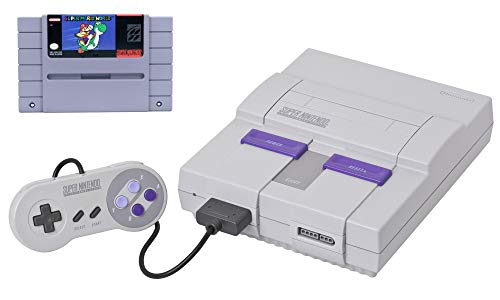
1991: Final Fantasy IV Release
In 1991, Final Fantasy IV was released on the Super Nintendo Entertainment System (SNES); it was released in North America as Final Fantasy II.
1992: Final Fantasy III Manga Adaptation
In 1992, Final Fantasy III received a manga adaptation, continuing the series' expansion into different media formats.
1992: Miyamoto Comments on Final Fantasy's Impact
In 1992, Nintendo's Shigeru Miyamoto noted the impact of Final Fantasy on Japanese role-playing games, highlighting its "interactive cinematic approach" and emphasis on "presentation and graphics".
1995: SGI Technical Demo of Final Fantasy VI
In 1995, Square showcased an interactive SGI technical demonstration of Final Fantasy VI, leading fans to believe a new Final Fantasy game was in development for the Nintendo 64.
1996: Series Ranked 17th Best Game of All Time by Next Generation
In 1996, Next Generation staff ranked the Final Fantasy series collectively as the 17th best game of all time, praising its audiovisuals and stories.
1997: Final Fantasy VII Release
In 1997, Final Fantasy VII was released for the PlayStation console, moving away from 2D graphics to 3D computer graphics and introducing a more modern setting.
1997: Release of Final Fantasy VII for PlayStation
In 1997, Final Fantasy VII was released for the Sony PlayStation, marking a switch from Nintendo due to cartridge costs and storage limitations, and introducing 3D graphics with pre-rendered backgrounds.
1998: Final Fantasy: Legend of the Crystals Release in the United States
In 1998, Final Fantasy: Legend of the Crystals, an original video animation (OVA) and sequel to Final Fantasy V, was released in the United States by Urban Vision.
September 9, 1999: Final Fantasy VIII Becomes Top-Selling Game
On September 9, 1999, within two days of its North American release, Final Fantasy VIII became the top-selling video game in the United States, holding the position for over three weeks.
1999: Final Fantasy VIII Release
In 1999, Final Fantasy VIII was published for the PlayStation console, and was the first game in the series to consistently use realistically proportioned characters and feature a vocal piece as its theme music.
2000: Series Sales Reach 25 Million Units
By 2000, the Final Fantasy series had sold 25 million units.
2000: Final Fantasy IX Release
In 2000, Final Fantasy IX was released for the PlayStation console, returning to the series' roots with a more traditional Final Fantasy setting.
2001: Final Fantasy X Release
In 2001, Final Fantasy X was released for the PlayStation 2, introducing full 3D areas and voice acting to the series.

2001: Sakaguchi Leaves Square
In 2001, Sakaguchi, the director of the first five Final Fantasy games, left Square, and Yoshinori Kitase took over directing the games.
2001: Final Fantasy: The Spirits Within Release
In 2001, Square Pictures released Final Fantasy: The Spirits Within, its first feature film, which was set on a future Earth invaded by alien life forms and was considered a box office bomb.
2002: Release of Final Fantasy XI
In 2002, Final Fantasy XI was released, marking a longer gap between releases compared to previous games.
2002: Final Fantasy XI Release
In 2002, Final Fantasy XI, the first MMORPG in the series, was released on the PlayStation 2 and PC, later on the Xbox 360, introducing real-time battles.
October 2003: Nojima Resigns from Square
In October 2003, Kazushige Nojima, the primary scenario writer for the Final Fantasy series from Final Fantasy VII, resigned from Square to form his own company, Stellavista.
2003: Final Fantasy X-2 Release
In 2003, Final Fantasy X-2, the first sub-sequel in the series, was released for the PlayStation 2.
2003: GameSpy Lists FFVII as Overrated
In 2003, GameSpy listed Final Fantasy VII as the seventh most overrated game of all time.
November 2004: Uematsu Resigns from Square Enix
In November 2004, Nobuo Uematsu, the primary composer of the Final Fantasy series, resigned from Square Enix.
2004: Final Fantasy VII Tops GameFAQs' Poll
In 2004, Final Fantasy VII topped GameFAQs' "Best Game Ever" audience polls.
2005: Final Fantasy VII Tops GameFAQs' Poll
In 2005, Final Fantasy VII topped GameFAQs' "Best Game Ever" audience polls.
2005: Final Fantasy VII: Advent Children and Last Order: Final Fantasy VII Releases
In 2005, Final Fantasy VII: Advent Children, a feature length direct-to-DVD CGI film, and Last Order: Final Fantasy VII, a non-canon OVA, were released as part of the Compilation of Final Fantasy VII.
March 2006: Final Fantasy XI Reaches 200,000 Daily Players
In March 2006, the MMORPG Final Fantasy XI reached over 200,000 active daily players.
November 6, 2006: Final Fantasy XII Ships 1.5 Million Copies in North America
By November 6, 2006, one week after its release, Final Fantasy XII had shipped approximately 1.5 million copies in North America.
2006: Release of Final Fantasy XII
In 2006, Final Fantasy XII was released for the PlayStation 2, utilizing advanced textures and lighting while retaining the freely rotating camera from XI.
2006: Enhanced 3D Remake of Final Fantasy III Released
In 2006, an enhanced 3D remake of Final Fantasy III was released, updating the classic game with new graphics.
2006: Final Fantasy Receives Star on Walk of Game
In 2006, the Final Fantasy series was awarded a star on the Walk of Game and GameFAQs held a contest for the best video game series ever, with Final Fantasy finishing as the runner-up to The Legend of Zelda.
2006: Famitsu's Top 100 Favorite Games of All Time
In 2006, twelve Final Fantasy games were listed on Famitsu's "Top 100 Favorite Games of All Time", with Final Fantasy X and VII ranking first and second, respectively.
July 2007: Final Fantasy XI Reaches Half a Million Subscribers
By July 2007, Final Fantasy XI had reached over half a million subscribers.
2007: Edge Criticizes the Series
In 2007, Edge criticized the series for numerous related games including "Final Fantasy" in their titles that are inferior to previous games, also commenting that the departure of Hironobu Sakaguchi may put the series in danger of growing stale.
2007: Enhanced 3D Remake of Final Fantasy IV Released
In 2007, an enhanced 3D remake of Final Fantasy IV was released, updating the classic game with new graphics.
2008: Final Fantasy Voted Best Game Series
In a 2008 public poll by The Game Group plc, Final Fantasy was voted the best game series.
2008: Guinness World Records Gamer's Edition 2008
The series holds seven Guinness World Records in the Guinness World Records Gamer's Edition 2008, which include the "Most Games in an RPG Series", the "Longest Development Period", and the "Fastest-Selling Console RPG in a Single Day".
2009: Dissidia Final Fantasy Release
In 2009, Dissidia Final Fantasy, a fighting game featuring heroes and villains from the first ten main games, was released.
2009: Final Fantasy XIII Release in Japan
In 2009, Final Fantasy XIII was released in Japan for the PlayStation 3 and Xbox 360.

2009: Release of Final Fantasy XIII
In 2009, Final Fantasy XIII was released, marking a continued trend of longer development cycles between releases.
2009: Guinness World Records Gamer's Edition 2009
In the 2009 edition of Guinness World Records Gamer's Edition, Final Fantasy XII and VII were listed among the top 50 console games.
2010: Final Fantasy XIII Release in North America and Europe and FFXIV Initial Release
In 2010, Final Fantasy XIII was released in North America and Europe, for PlayStation 3 and Xbox 360, also Final Fantasy XIV was released worldwide on Microsoft Windows but received heavy criticism upon launch.
2010: Release of Final Fantasy XIV
In 2010, Final Fantasy XIV was released, after which Square Enix aimed for annual or biennial releases, mimicking Western game development cycles.
2011: Series Sales Reach 100 Million Units
By 2011, the Final Fantasy series had reached 100 million units in sales.
2011: Dissidia Final Fantasy Prequel Release
In 2011, a prequel to Dissidia Final Fantasy was released.
2011: Final Fantasy XIII-2 Release
In 2011, the team wanted to explore the world, characters and mythos more, resulting in the development and release of two sequels one being Final Fantasy XIII-2.
2012: Final Fantasy Trading Card Game Release in Japan
In 2012, the Final Fantasy Trading Card Game, produced by Square Enix and Hobby Japan, was first released in Japan.
2013: Relaunch of Final Fantasy XIV
In 2013, Final Fantasy XIV was relaunched.
2013: Final Fantasy XIV: A Realm Reborn Release
In 2013, Square Enix re-released Final Fantasy XIV as Final Fantasy XIV: A Realm Reborn, available for both Microsoft Windows and PlayStation 3, after the initial release received heavy criticism.
2013: Lightning Returns: Final Fantasy XIII Release
In 2013, the team wanted to explore the world, characters and mythos more, resulting in the development and release of two sequels one being Lightning Returns: Final Fantasy XIII, creating the series' first official trilogy.
2015: Sakaguchi Explains Name's Origin
In 2015, Sakaguchi explained that the team wanted a title that would abbreviate to "FF", which would sound good in Japanese.
2015: Dissidia Final Fantasy Sequel Release
In 2015, a sequel to Dissidia Final Fantasy was released.
2016: Release of Final Fantasy XV
In 2016, Final Fantasy XV was released.
2016: Final Fantasy XV Release
In 2016, Final Fantasy XV, an action role-playing game, was released for PlayStation 4 and Xbox One.

2016: Final Fantasy Trading Card Game English Version Release
In 2016, the English version of the Final Fantasy Trading Card Game was released, expanding the game's availability.
2016: Kingsglaive and Brotherhood Release
In Summer 2016, Kingsglaive, a CGI film, and Brotherhood, a series of five 10-to-20-minute-long episodes, were released as animated tie-ins for Final Fantasy XV.
2017: Final Fantasy XIV: Dad of Light Release
In 2017, Square Enix released Final Fantasy XIV: Dad of Light, an 8-episode Japanese soap opera featuring a mix of live-action scenes and Final Fantasy XIV gameplay footage.
2017: Dissidia Final Fantasy Mobile Spin-Off Release
In 2017, a mobile spin-off of Dissidia Final Fantasy was released.
2018: Final Fantasy VII Inducted into World Video Game Hall of Fame
In 2018, Final Fantasy VII was inducted as a member of the World Video Game Hall of Fame.
June 2019: Live-Action Adaptation of Final Fantasy XIV: Dad of Light in Development
In June 2019, Sony Pictures Television, in collaboration with Hivemind and Square Enix, was working on a live-action adaptation of the Final Fantasy XIV: Dad of Light series.
2019: Final Fantasy XV: Episode Ardyn - Prologue Release
In 2019, Square Enix released a short anime called Final Fantasy XV: Episode Ardyn – Prologue on YouTube.
2020: First Installment of Final Fantasy VII Remake Project Released
In 2020, the first installment of the Final Fantasy VII Remake project was released on the PlayStation 4, reimagining the classic game for a new generation.
2022: Stranger of Paradise: Final Fantasy Origin Released
In 2022, Square Enix released Stranger of Paradise: Final Fantasy Origin, an action-role playing game developed with Team Ninja.
June 2023: Franchise Milestone
As of June 2023, the Final Fantasy series includes main installments from Final Fantasy to Final Fantasy XVI, along with direct sequels and spin-offs that are released or confirmed to be in development.
2023: Release of Final Fantasy XVI
In 2023, Final Fantasy XVI was released.
2023: Final Fantasy XVI Release
In 2023, Final Fantasy XVI, the sixteenth mainline entry in the series, was released for the PlayStation 5.

2024: Final Fantasy VII Rebirth Released
In 2024, the second and latest installment of the remake trilogy, Final Fantasy VII Rebirth, was released on the PlayStation 5.
March 2025: Series Sales Surpass 200 Million Units
By March 2025, the Final Fantasy series surpassed cumulative global physical and digital sales of 200 million units.
2025: Series Wins 10 Awards at The Game Awards
As of 2025, the Final Fantasy series has won 10 awards at The Game Awards, more than any other video game franchise.
Mentioned in this timeline

PlayStation is a video game brand owned by Sony Interactive...
Xbox is a video gaming brand owned by Microsoft Gaming...

Nintendo is a Japanese multinational video game company based in...
The United States of America is a federal republic primarily...

Sony is a Japanese multinational conglomerate based in Tokyo It...

Founded in by Bill Gates and Paul Allen Microsoft is...
Trending

3 hours ago Dodgers Finalize Mookie Betts Lineup Decision Ahead of Crucial NLCS Game Two
3 hours ago Abner Uribe and Brewers Bullpen Dominate During 2026 MLB Postseason Run

6 months ago Jeopardy! Champ Jamie Ding Achieves Top 5, Michigan Contestants, and Victory Streaks Covered.

3 hours ago Matthew Stafford Leads Daughters' Flag Football Team to Championship Victory

29 days ago Myles Garrett to Undergo Knee Surgery and Head to Injured Reserve

3 hours ago Aaron Donald cleared to play for Rams in Monday Night Football against Bills
Popular
Ken Paxton is an American politician and lawyer serving as...

Jameis Winston is an American football quarterback currently playing for...

Cristiano Ronaldo widely considered one of the greatest footballers captains...

Michael Joseph Jackson the King of Pop was a highly...

Elon Musk is a visionary entrepreneur and engineer known for...

Marco Rubio is a prominent American politician serving as the...