Most Talked-About Controversies Linked to Martha Stewart


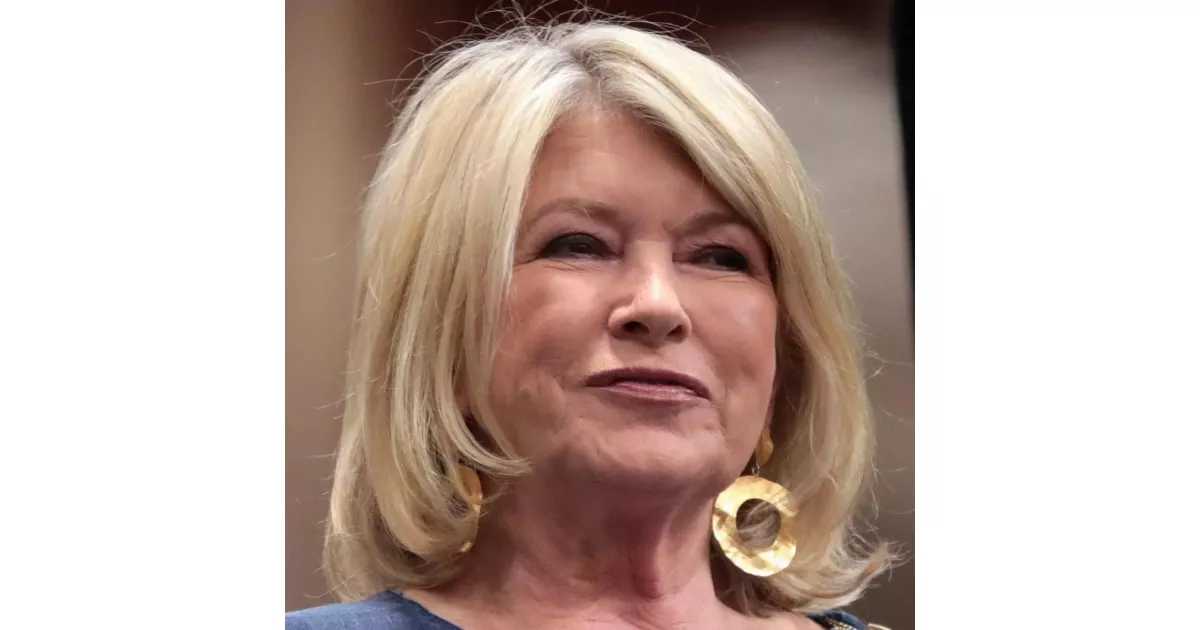
A closer look at the most debated and controversial moments involving Martha Stewart.
Martha Stewart is an influential American businesswoman, author, and television personality who built a vast multimedia empire centered on home economics and lifestyle branding. Starting her career as a stockbroker and caterer, she rose to prominence in the 1980s with her successful book series on domestic arts. She subsequently founded Martha Stewart Living Omnimedia, which expanded into television, magazines, and home merchandise, establishing her as a household name synonymous with curated living. Despite facing significant legal challenges in the early 2000s, including a conviction related to insider trading that led to a prison sentence, Stewart successfully rebuilt her brand. Today, she remains a powerhouse in the lifestyle industry, recognized for her entrepreneurial resilience and her profound impact on the home and hospitality markets.
14 hours ago : Martha Stewart Discusses Historic Kmart Earnings and Her Financial Losses
Martha Stewart shares insights on her massive Kmart royalty deals that built her empire, while explaining her decision to avoid private jet ownership after significant financial losses totaling nearly a billion dollars.


December 27, 2001: ImClone Systems Stock Sale
On December 27, 2001, Martha Stewart sold all 3,928 shares of her ImClone Systems stock after receiving nonpublic information, an action that allowed her to avoid a loss of $45,673.
June 25, 2002: Confrontation on The Early Show
On June 25, 2002, Martha Stewart appeared on The Early Show where she faced difficult questions from anchor Jane Clayson regarding the ImClone scandal. Stewart famously deflected the inquiries by continuing to chop cabbage for a salad, stating she wanted to focus on her cooking.
October 3, 2002: Resignation from New York Stock Exchange Board
On October 3, 2002, following legal developments involving Douglas Faneuil, Martha Stewart resigned from her position on the board of directors of the New York Stock Exchange, a role she had held for four months.
June 4, 2003: Indictment and Corporate Resignation
On June 4, 2003, Martha Stewart faced a federal indictment consisting of nine counts, including obstruction of justice. Consequently, she resigned from her positions as CEO and Chairwoman of Martha Stewart Living Omnimedia (MSLO), though she retained her role as chief creative officer.
January 2004: Commencement of Legal Trial
In January 2004, Martha Stewart went on trial regarding insider trading allegations. Prosecutors presented evidence showing that her stockbroker, Bacanovic, advised her that ImClone CEO Samuel D. Waksal was liquidating his shares prior to a negative ruling from the Food and Drug Administration, which was anticipated to devalue the company's stock.
March 2004: Conviction of Felony Charges
In March 2004, following a six-week jury trial, Martha Stewart was found guilty of several felony charges, including conspiracy to obstruct, obstruction of an agency proceeding, and providing false statements to federal investigators.
July 2004: Sentencing to Federal Correctional Facility
In July 2004, Martha Stewart was sentenced to serve five months in a federal correctional facility, followed by a two-year period of supervised release that included five months of electronic monitoring.
2004: Dismissal of Derivative Suit
In 2004, the Supreme Court of Delaware dismissed a derivative lawsuit brought by MSLO shareholder Monica Beam against Martha Stewart and other company leadership.
March 2005: Release from Federal Prison
In March 2005, Martha Stewart was released from federal prison after serving a five-month sentence related to felony charges in the ImClone stock trading case.
August 2006: SEC Civil Settlement
In August 2006, Martha Stewart reached a settlement with the SEC regarding a civil case, agreeing to pay $58,062 in disgorged funds and a $137,019 civil penalty, while also accepting a five-year ban from serving as an officer or director of any public company.
June 2008: UK Visa Denial
In June 2008, the UK Border Agency denied Martha Stewart a visa for entry into the United Kingdom due to her prior criminal conviction for obstructing justice, which prevented her from speaking at the Royal Academy about the fashion and leisure industries.
Mentioned in this timeline

Calvin Cordozar Broadus Jr professionally known as Snoop Dogg is...

Ellen DeGeneres is a retired American comedian actress television host...

Roku Inc is an American company that owns the Roku...

Walmart Inc is a multinational retail corporation operating hypermarkets discount...

CBS or CBS Broadcasting Inc is a major American commercial...

Sports Illustrated SI is an American sports magazine launched in...
Trending

4 hours ago Hashi Market Opens First West Coast Grocery Store in Cupertino
4 hours ago Updates on NFL Injury Reports and Roster Changes Across Several Teams

4 hours ago Mike Tomlin Receives Praise Following Steelers Departure and Coaching News

4 hours ago Justin Hartley Returns as Colter Shaw in Action-Packed Tracker Season 4

4 hours ago DeMar DeRozan Makes Impactful Denver Nuggets Debut With Circus Shot Performance

4 hours ago Nick Saban Docuseries Premieres Celebrating Football Legacy
Popular

Ken Paxton is an American politician and lawyer serving as...

Jameis Winston is an American football quarterback currently playing for...

Cristiano Ronaldo widely considered one of the greatest footballers captains...

Michael Joseph Jackson the King of Pop was a highly...

Elon Musk is a visionary entrepreneur and engineer known for...

Bernie Sanders is a prominent American politician and the senior...