Recep Tayyip Erdoğan's Success and Achievements in Timeline


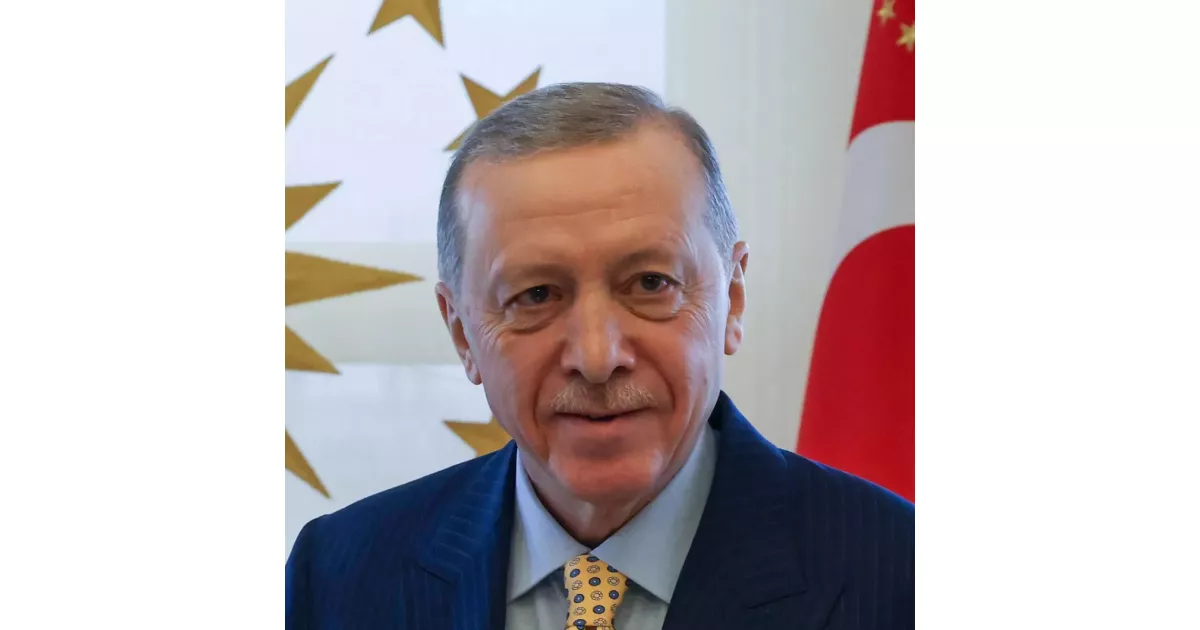
A closer look at the biggest achievements of Recep Tayyip Erdoğan. Awards, milestones, and records that define success.
Recep Tayyip Erdoğan is a dominant political figure in modern Turkey, serving as Prime Minister from 2003 to 2014 and as President since 2014. A co-founder of the Justice and Development Party (AKP), his tenure has been marked by significant economic growth, large-scale infrastructure projects, and a shift toward more centralized executive power, notably following the 2017 constitutional referendum. Erdoğan is known for his populist rhetoric, a strong emphasis on religious and conservative values, and an assertive, independent foreign policy that frequently challenges Western alliances. While supporters credit him with stabilizing the economy and elevating Turkey's geopolitical influence, critics have expressed concerns over the erosion of democratic institutions, the restriction of press freedom, and the suppression of political dissent. His long-standing leadership has fundamentally transformed the Turkish political landscape, moving the country away from its secular Kemalist traditions toward a more nationalistic and socially conservative framework.
1994: Elected Mayor of Istanbul
Following the local elections held in 1994, Erdoğan achieved a significant political milestone by securing the position of Mayor of Istanbul.


1999: Release of This Song Doesn't End Here
In 1999, coinciding with his incarceration at Pınarhisar prison, Recep Tayyip Erdoğan released an album titled 'This Song Doesn't End Here'. The collection, consisting of seven poems, achieved significant commercial success in 1999, becoming the best-selling album in Turkey with sales exceeding one million copies.
2001: Economic Crisis Recovery
Throughout his early tenure following the 2001 economic crisis, Erdoğan focused on leading Turkey through a period of significant economic recovery.
2002: AKP Landslide Election Victory
In 2002, Recep Tayyip Erdoğan successfully led the Justice and Development Party (AKP) to a landslide victory in the election for the Grand National Assembly.
2002: AKP Electoral Victory
In the 2002 general elections, the newly formed Justice and Development Party (AKP) successfully secured 34% of the vote, marking a significant transition for the reformist group into a governing political force.
February 2003: Erdoğan's Parliamentary Election and Prime Ministership
On February 9, 2003, following a legal amendment that lifted his political ban, Erdoğan successfully ran as a candidate in the rescheduled Siirt elections; upon winning, he transitioned to the position of Prime Minister after Abdullah Gül stepped down from the role.
March 2003: Erdoğan Becomes Prime Minister
In March 2003, following the conclusion of the Gül government and the lifting of his political ban, Recep Tayyip Erdoğan assumed the office of Prime Minister of Turkey.
2007: General Election Victory
In 2007, Erdoğan secured his second electoral victory as the leader of the AKP, reinforcing his political mandate.
2011: General Election Victory
Erdoğan led the AKP to a third consecutive election victory in 2011, continuing his tenure as prime minister.
2014: Direct Election as President
In 2014, Recep Tayyip Erdoğan achieved a significant milestone by becoming the first president of Turkey to be directly elected by the public, marking a shift in the nation's leadership structure.
Mentioned in this timeline

Donald John Trump is an American politician media personality and...
Barack Obama the th U S President - was the...
Vladimir Putin is a prominent Russian politician who has significantly...
Joe Biden served as the th President of the United...
Pope Francis served as the head of the Catholic Church...
Elizabeth II reigned as Queen of the United Kingdom and...
Trending

3 hours ago Tommy Paul Faces Zizou Bergs in Shanghai Masters Round of 16
9 days ago Microsoft Achieves Trillion-Dollar Quarter Driven by AI and Azure Growth

3 hours ago Leonardo DiCaprio Attends Jennifer Meyer's Hawaiian Wedding with Girlfriend Vittoria Ceretti
3 hours ago Chuck Schumer Faces Leadership Uncertainty Amid Midterm Elections and 2028 Political Challenges
3 hours ago Conor Kennedy Marries Brazilian Pop Star Giulia Be in Lavish Rio de Janeiro Wedding

3 hours ago Delta Announces Major Revamp for Premium Delta One Cabin Experience
Popular

Ken Paxton is an American politician and lawyer serving as...

Ilhan Omar is a prominent American politician currently serving as...

Jameis Winston is an American football quarterback currently playing for...

Cristiano Ronaldo widely considered one of the greatest footballers captains...

Michael Joseph Jackson the King of Pop was a highly...

Kimberly Guilfoyle is an American television personality and former prosecutor...