Most Talked-About Controversies Linked to Recep Tayyip Erdoğan


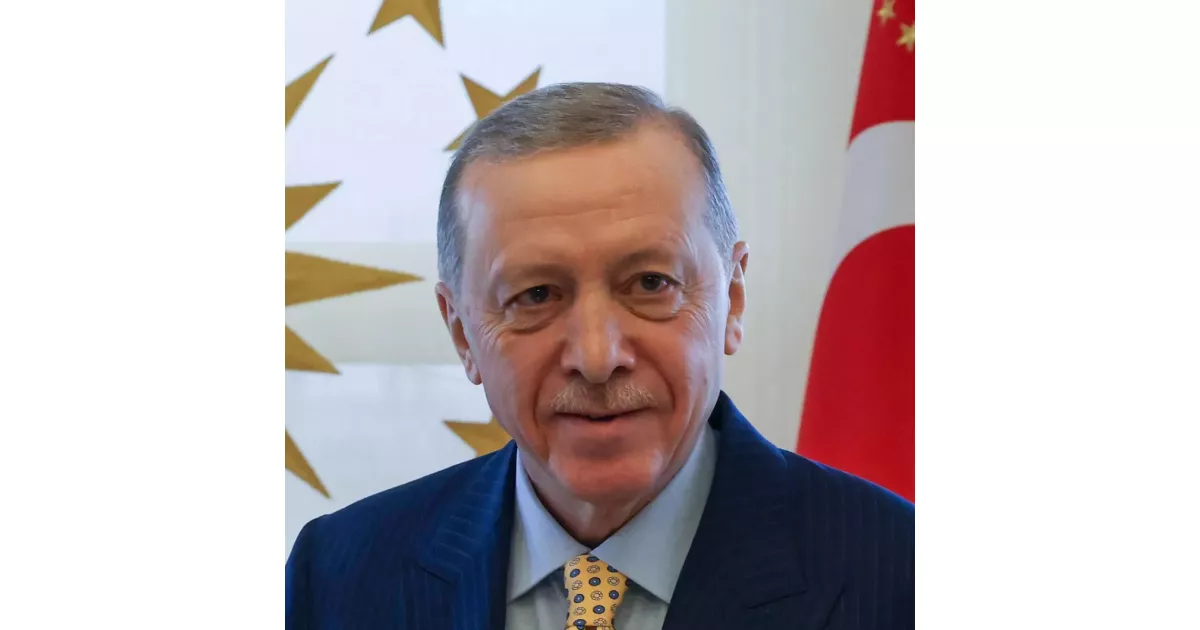
Public opinion and media debates around Recep Tayyip Erdoğan—discover key moments of controversy.
Recep Tayyip Erdoğan is a dominant political figure in modern Turkey, serving as Prime Minister from 2003 to 2014 and as President since 2014. A co-founder of the Justice and Development Party (AKP), his tenure has been marked by significant economic growth, large-scale infrastructure projects, and a shift toward more centralized executive power, notably following the 2017 constitutional referendum. Erdoğan is known for his populist rhetoric, a strong emphasis on religious and conservative values, and an assertive, independent foreign policy that frequently challenges Western alliances. While supporters credit him with stabilizing the economy and elevating Turkey's geopolitical influence, critics have expressed concerns over the erosion of democratic institutions, the restriction of press freedom, and the suppression of political dissent. His long-standing leadership has fundamentally transformed the Turkish political landscape, moving the country away from its secular Kemalist traditions toward a more nationalistic and socially conservative framework.
13 May 2007: İzmir Republic Rally
The wave of demonstrations persisted, culminating in a significant rally in İzmir on 13 May 2007, which saw an attendance of approximately one million protesters.


14 April 2007: Ankara Secularism Protest
On 14 April 2007, approximately 300,000 citizens gathered in Ankara to protest against the potential candidacy of Erdoğan for the presidency, expressing concerns that he would undermine the secular foundations of the Turkish state.
December 1997: Recitation of Ziya Gökalp poem in Siirt
In December 1997, Recep Tayyip Erdoğan recited a modified version of the 'Soldier's prayer' poem by Ziya Gökalp during a speech in Siirt. This recitation, which included verses comparing mosques and minarets to military gear, led to legal consequences under Article 312/2 of the Turkish penal code, as authorities deemed the act an incitement to religious hatred.
1998: Conviction and Political Ban
In 1998, Erdoğan faced a major challenge when he was convicted of inciting religious hatred for reciting a poem by Ziya Gökalp, resulting in a ban from participating in politics.
March 1999: Commencement of Prison Sentence
On 24 March 1999, Recep Tayyip Erdoğan began serving a reduced four-month prison sentence, a period resulting from a conviction that also led to his removal from the mayoral office and a ban from future political elections.
December 2002: Cancellation of Siirt Election Results
In December 2002, the Supreme Election Board invalidated the general election results for the district of Siirt citing voting irregularities and subsequently scheduled a repeat election for February 9, 2003.
2002: Rise to de facto leadership
Starting in 2002, Recep Tayyip Erdoğan established himself as the de facto leader of Turkey, a status characterized by significant influence over the nation's governance.
2003: Statement on Ethnic Origins
In 2003, Recep Tayyip Erdoğan stated that his family was of Georgian origin with roots in Batumi, a claim he would later retract.
2025: Arrest and Disqualification of Ekrem İmamoğlu
In 2025, Erdoğan oversaw the arrest of Istanbul mayor Ekrem İmamoğlu, which resulted in his disqualification from the 2028 presidential race and triggered widespread protests across the country.
2028: Target Date for Presidential Election
The year 2028 marks the upcoming presidential election cycle, from which the primary opposition candidate, Ekrem İmamoğlu, was disqualified by the state in 2025.
29 April 2007: Istanbul Republic Rally
On 29 April 2007, protests against the political direction of the government continued, with reports indicating that over one million people participated in a massive rally held in Istanbul.
4 May 2007: Manisa and Çanakkale Protests
Public opposition continued to manifest on 4 May 2007 as tens of thousands of demonstrators gathered for separate protests in the cities of Manisa and Çanakkale.
Mentioned in this timeline
Donald John Trump is an American politician media personality and...
Barack Obama the th U S President - was the...
Vladimir Putin is a prominent Russian politician who has significantly...
Joe Biden served as the th President of the United...
Pope Francis served as the head of the Catholic Church...
Elizabeth II reigned as Queen of the United Kingdom and...
Trending
3 hours ago Morgan Stanley Q3 Earnings Beat Expectations With Strong Equities Trading Revenue Growth
3 hours ago Leonardo DiCaprio Attends Jennifer Meyer's Hawaiian Wedding with Girlfriend Vittoria Ceretti
3 hours ago Chuck Schumer Faces Leadership Uncertainty Amid Midterm Elections and 2028 Political Challenges
3 hours ago Conor Kennedy Marries Brazilian Pop Star Giulia Be in Lavish Rio de Janeiro Wedding

3 hours ago Tommy Paul Faces Zizou Bergs in Shanghai Masters Round of 16
3 hours ago Delta Announces Major Revamp for Premium Delta One Cabin Experience
Popular

Ken Paxton is an American politician and lawyer serving as...
Ilhan Omar is a prominent American politician currently serving as...

Jameis Winston is an American football quarterback currently playing for...

Cristiano Ronaldo widely considered one of the greatest footballers captains...

Michael Joseph Jackson the King of Pop was a highly...
Kimberly Guilfoyle is an American television personality and former prosecutor...